




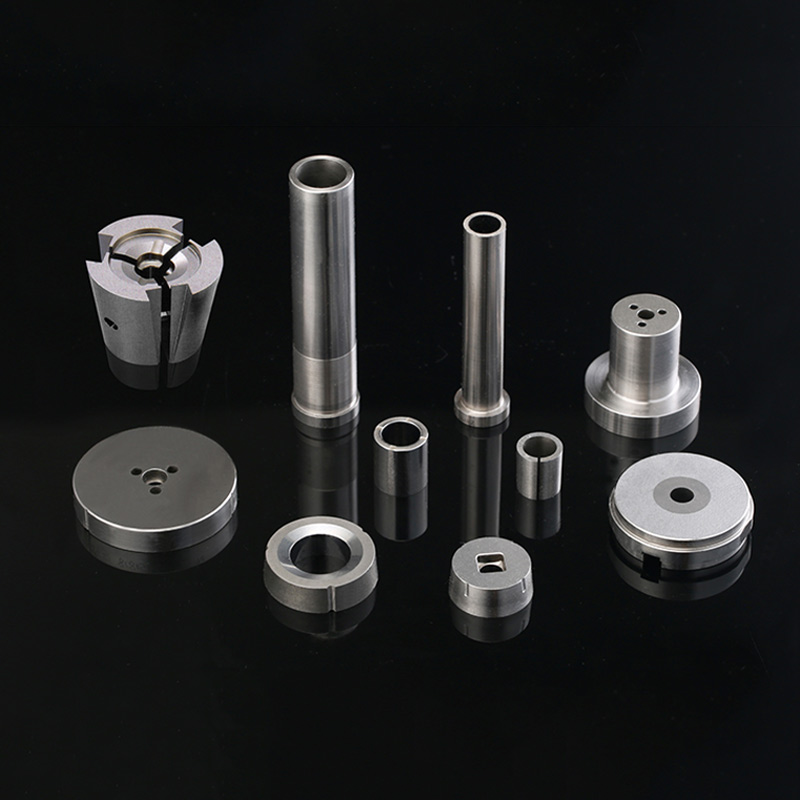
Fastener Dies play a critical role in the manufacturing of screws, bolts, nuts, and other fastening components. The material composition of these dies is a key factor determining their durability, performance, and lifespan. This article explores the materials commonly used in the production of fastener dies, such as tool steels and carbide, and highlights their properties and advantages in enhancing the efficiency of fastener manufacturing.
Why Material Selection Matters
Fastener dies operate under high pressure, friction, and repetitive impact, making material durability essential. The right material ensures the die can withstand:
High Stress: Mechanical stress during the forming or threading of fasteners.
Abrasion: Continuous wear from contact with raw materials like steel and aluminum.
Thermal Loads: Heat generated from high-speed manufacturing processes.
Selecting a material that balances hardness, toughness, and wear resistance is crucial for the performance and longevity of the dies.
Materials Commonly Used for Fastener Dies
1. Tool Steels
Tool steels are a popular choice for fastener dies due to their high hardness and excellent wear resistance. They are categorized based on their alloy composition and application.
High-Speed Steel (HSS):
HSS is ideal for threading dies used in high-speed applications. Its ability to retain hardness at elevated temperatures makes it suitable for extended use.Advantages: Heat resistance, good toughness, and ease of regrinding.
Cold Work Tool Steels:
These steels, such as D2 or O1, are excellent for dies exposed to low operating temperatures. Their resistance to wear and deformation makes them effective for high-volume production.Advantages: High wear resistance and dimensional stability.
Hot Work Tool Steels:
Hot work steels like H13 are used in applications involving elevated temperatures, such as forming dies for heat-treated fasteners.Advantages: Resistance to heat-induced softening and thermal shock.
2. Carbide
Carbide is another widely used material, especially for fastener dies requiring extreme hardness and wear resistance.
Tungsten Carbide:
Tungsten Carbide Dies are often employed for threading and extrusion processes. Their superior hardness ensures exceptional wear resistance, even in high-stress conditions.Advantages: Extended tool life, low maintenance, and minimal downtime.
Cemented Carbides:
Composed of tungsten or titanium carbides bonded with a metal binder like cobalt, these materials offer a balance of hardness and toughness.Advantages: High compressive strength and resistance to abrasive wear.
Factors Influencing Material Choice
Type of Fastener:
Large industrial bolts may require tougher materials to handle the higher forming forces.
Precision screws benefit from materials that ensure dimensional accuracy and smooth finishes.
Production Environment:
High-speed production favors materials like HSS for heat resistance.
Continuous operations may require carbide for its durability and reduced wear.
Cost vs. Performance:
Carbide offers superior performance but at a higher cost. Tool steels provide a more cost-effective solution for medium-scale production.
Enhancing Material Performance
1. Surface Coatings
Applying coatings like titanium nitride (TiN) or chromium improves the die’s wear resistance and reduces friction during the forming process.
2. Heat Treatment
Tool steels undergo processes like hardening, tempering, and quenching to achieve the desired hardness and toughness.
3. Cryogenic Treatment
For Carbide Dies, cryogenic treatment enhances wear resistance and stress-relief properties, further extending their lifespan.
The choice of material for fastener dies directly impacts their performance, durability, and cost-effectiveness. Tool steels and carbides, with their unique properties, are the cornerstones of fastener die manufacturing. Combining these materials with advanced treatments and coatings ensures that the dies can endure the rigorous demands of high-volume production while maintaining precision and quality.