




Punch Dies are precision tools used in manufacturing to cut, shape, or form materials such as metal, plastic, or paper. They consist of two primary components: the punch (the male part) and the die (the female part). When force is applied, the punch penetrates the material, creating a desired shape or hole. Punch Dies are commonly used in stamping, punching, and blanking operations, offering high accuracy and repeatability. These tools are typically made from hardened steel, carbide, or other durable materials to withstand high stress and wear.
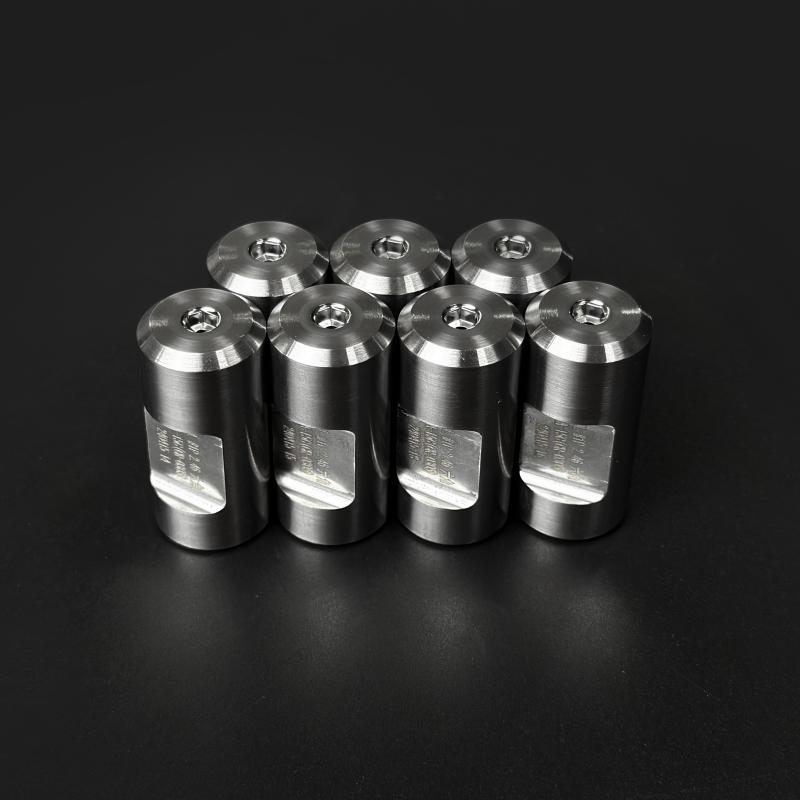
Key Characteristics of Punch Dies
1. High Precision and Tolerance
Punch dies are engineered to achieve tight tolerances, often within ±0.005 mm (±0.0002 inches). This precision ensures consistent part quality, especially in industries like aerospace and automotive manufacturing where dimensional accuracy is critical. Advanced CNC machining and EDM (Electrical Discharge Machining) techniques are employed to achieve such fine tolerances.
2. Durability and Wear Resistance
Punch dies are typically made from high-carbon steel (e.g., D2 or A2 tool steel) or Tungsten Carbide, which offer Rockwell hardness values of 58-62 HRC. These materials provide excellent wear resistance, extending tool life even under high-cycle operations (e.g., 100,000+ strokes). Coatings such as TiN (Titanium Nitride) or CrN (Chromium Nitride) further enhance durability by reducing friction and preventing material adhesion.
3. High-Speed Compatibility
Modern punch dies are designed to operate at high speeds, with some progressive dies achieving up to 1,500 strokes per minute (SPM) in automated press machines. This efficiency is crucial for mass production environments, such as electronics or appliance manufacturing, where throughput is a key performance metric.
4. Customizability
Punch dies can be customized for specific applications, including complex geometries like micro-punches (as small as 0.1 mm diameter) or multi-stage dies for progressive stamping. Laser cutting and wire EDM allow for intricate designs with minimal burring (typically <0.02 mm).
Applications of Punch Dies
1. Automotive Industry
Punch dies are extensively used in automotive manufacturing for producing body panels, brackets, and engine components. For example, a single progressive die can produce a car door hinge with tolerances of ±0.1 mm at a rate of 600 parts per hour.
2. Electronics Manufacturing
In PCB (Printed Circuit Board) production, micro-punch dies create precise holes for component mounting. These dies often feature carbide tips to maintain sharpness despite the abrasive nature of fiberglass substrates.
3. Packaging Industry
Rotary dies with hardened steel blades are used in corrugated box production, achieving cutting speeds of up to 300 meters per minute with a cutting accuracy of ±0.15 mm.
4. Aerospace Components
Titanium and Inconel parts for aircraft engines are often formed using punch dies with specialized coatings to prevent work hardening and galling during the forming process.
Maintenance of Punch Dies
1. Regular Cleaning
After each production run, dies should be cleaned using non-abrasive solvents to remove metal shavings and lubricant residues. Ultrasonic cleaning is recommended for intricate dies, with a typical cycle time of 10-15 minutes at 40 kHz frequency.
2. Lubrication
Apply high-performance die lubricants (e.g., synthetic oils with 5-10% EP additives) every 5,000 cycles or as specified by the manufacturer. For high-speed applications, consider automated lubrication systems delivering 0.5-2 ml per minute.
3. Inspection and Sharpening
Measure cutting edge wear using optical comparators or laser scanners. When edge radius exceeds 0.05 mm (for fine blanking dies), regrind using diamond wheels at 2,000-3,000 RPM with coolant flow rates of 5-8 liters/minute.
4. Proper Storage
Store punch dies in climate-controlled environments (20±2°C, 40-50% RH) with VCI (Vapor Corrosion Inhibitor) paper wrapping. For long-term storage, apply rust-preventive compounds with a film thickness of 10-15 microns.
5. Alignment Checks
Use dial indicators with 0.001 mm resolution to verify punch-die alignment weekly. Misalignment exceeding 0.02 mm can cause premature wear and part defects.
Punch dies remain indispensable in modern manufacturing, combining precision engineering with robust materials science. Their performance directly impacts production efficiency and product quality across multiple industries. Proper maintenance protocols ensure these valuable tools deliver their full potential throughout their service life.