




Tungsten Carbide dies are essential tooling components used in high-precision forming processes such as cold heading, wire drawing, stamping, and forging. Because tungsten carbide offers extreme hardness and wear resistance, proper polishing is critical to achieve long die life, smooth product surfaces, and stable production quality.
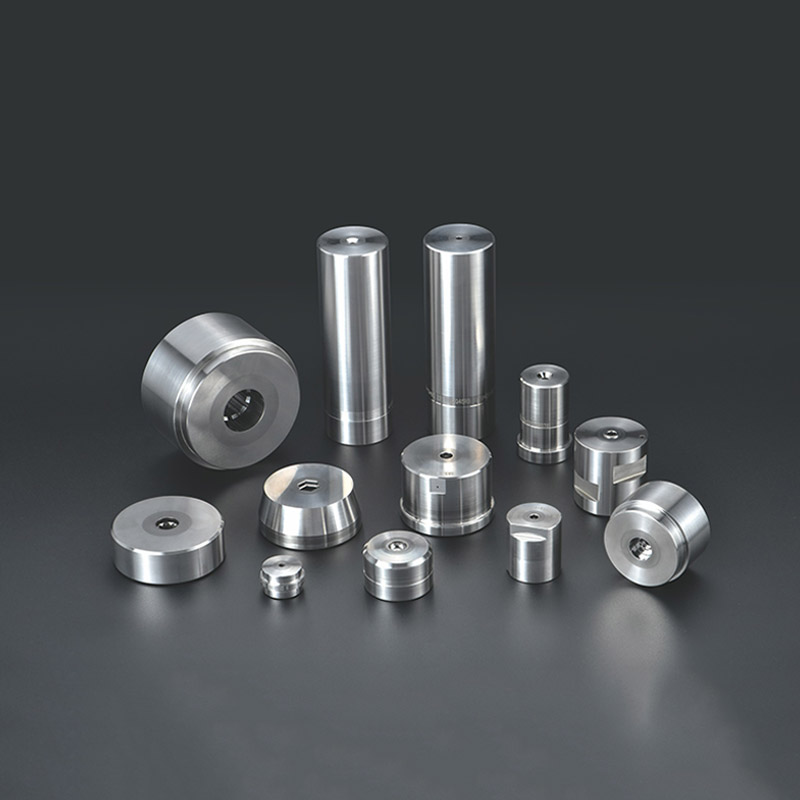
Why Polishing Tungsten Carbide Dies Is Important
High-quality polishing provides the following benefits:
Reduces friction during forming
Improves material flow
Prevents galling and micro-cracks
Extends die service life
Ensures consistent product dimensions
Whether for tungsten carbide drawing dies, tungsten carbide stamping dies, or tungsten Carbide Heading Dies, polishing is a key step in die manufacturing.
Step 1: Die Inspection and Blueprint Review
Before polishing begins, inspect the die according to Tungsten Carbide Die blueprints:
Verify cavity geometry
Check concentricity and tolerances
Identify machining marks or EDM layers
Leading tungsten carbide die factory facilities follow strict blueprint control to ensure polishing does not alter critical dimensions.
Step 2: Pre-Polishing Preparation
Removing EDM and Grinding Damage
Most tungsten carbide dies undergo EDM or grinding before polishing. Pre-polishing removes:
Recast layers from EDM
Micro-cracks
Surface waviness
This step is essential for tungsten forming dies and tungsten carbide wire drawing dies, where surface quality directly affects product performance.
Step 3: Polishing Tools and Abrasives
Because of tungsten carbide’s extreme hardness, standard abrasives are ineffective.
Common polishing materials include:
Diamond paste (1–9 micron)
Diamond suspension
Copper, cast iron, or resin-bonded laps
Professional tungsten carbide die manufacturers rely heavily on diamond-based abrasives for consistent results.
Step 4: Manual Polishing Techniques
Hand Lapping and Polishing
Manual polishing is widely used for complex cavities in carbide dies.
Process overview:
Apply diamond paste to a polishing tool
Polish in controlled, uniform motion
Gradually reduce abrasive grain size
Frequently clean and inspect the surface
This method is especially suitable for tungsten carbide drawing dies and tungsten carbide heading dies, where mirror finishes are required.
Step 5: Mechanical and Automated Polishing
High-volume carbide die manufacturers often use:
Ultrasonic polishing
CNC-assisted polishing
Magnetic polishing systems
These technologies improve efficiency and repeatability, particularly for carbide dies for new energy components requiring tight surface specifications.
Step 6: Polishing for Specific Die Types
Tungsten Carbide Wire Drawing Dies
For tungsten carbide wire drawing dies, polishing focuses on:
Bearing zone smoothness
Entry angle finish
Reduction of friction during tungsten drawing
Tungsten Carbide Stamping and Heading Dies
Tungsten carbide stamping dies and tungsten carbide heading dies require:
Uniform cavity surface
No edge rounding
Controlled roughness values
Step 7: Cleaning and Surface Inspection
After polishing, dies must be thoroughly cleaned to remove diamond residues.
Inspection methods include:
Optical microscopy
Surface roughness testing
Dimensional verification
Top-tier tungsten carbide die suppliers implement multiple inspection stages to ensure defect-free surfaces.
Step 8: Common Polishing Challenges and Solutions
| Issue | Cause | Solution |
|---|---|---|
| Uneven surface | Inconsistent pressure | Controlled polishing cycles |
| Micro-scratches | Contaminated abrasives | Strict cleaning procedures |
| Dimension loss | Over-polishing | Blueprint-based inspection |
These controls are critical for carbide die manufacturer in China and global suppliers serving precision industries.
Applications Requiring High-Polish Tungsten Carbide Dies
Highly polished tungsten carbide dies are widely used in:
Automotive and aerospace fasteners
Electronics and precision stamping components
Carbide die casting and forming applications for European and global markets
Renewable energy equipment and carbide dies for new energy industries
Wire, rod, and tube forming processes
Polishing standards may vary depending on customer specifications and regional industry requirements, and are fully customized to meet international quality standards.
Choosing the Right Tungsten Carbide Die Manufacturer
When selecting tungsten carbide dies manufacturers, consider:
Polishing technology and expertise
Experience with tungsten forming dies
Ability to meet blueprint tolerances
Proven quality systems
Global supply capability from a reliable tungsten carbide dies manufacturer
Experienced tungsten carbide die suppliers ensure both performance and longevity.
How to Polish Tungsten Carbide Dies
In summary, how to polish tungsten carbide dies involves:
Reviewing tungsten carbide die blueprints
Removing EDM and grinding damage
Using diamond-based abrasives
Applying manual or automated polishing techniques
Conducting strict cleaning and inspection
Proper polishing transforms high-quality carbide dies into precision tools capable of delivering smooth surfaces, extended tool life, and consistent production results across demanding applications.