




In the world of precision manufacturing, the ability to consistently produce high-quality components is essential. Punch and die tools are at the heart of many industrial processes, providing the accuracy, efficiency, and repeatability required in industries ranging from automotive and electronics to packaging and industrial manufacturing.
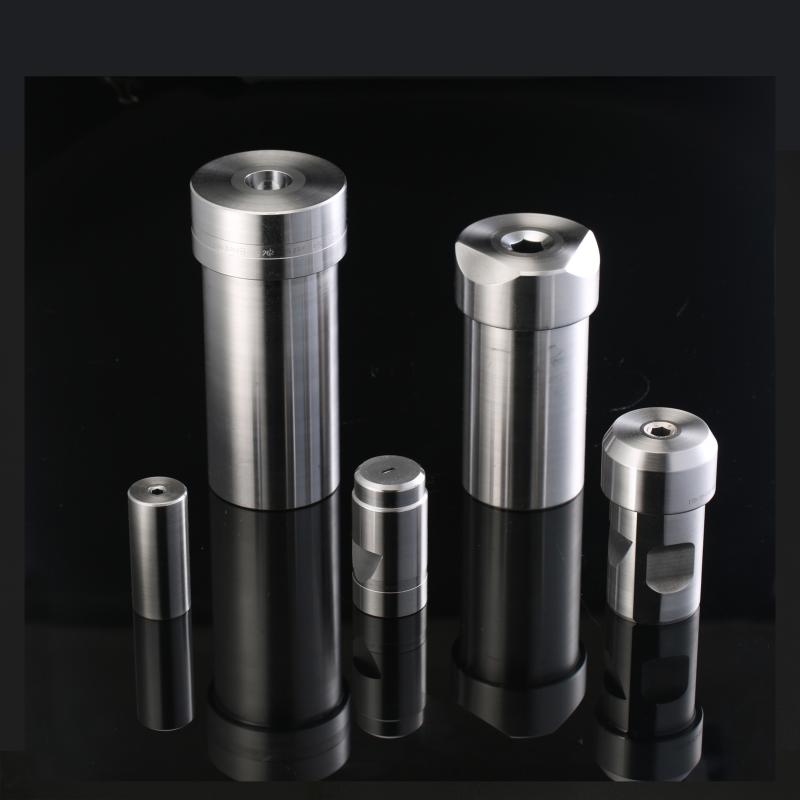
What is Punch and Die?
A punch and die is a matched set of tools used to cut, shape, or form materials such as metal, plastic, rubber, or paper. The punch applies force to the material, pressing it into the die, which acts as the precise template for cutting or forming.
The basic components include:
Punch: The moving tool that exerts pressure on the material. It can be made of hardened steel, alloy steel, or carbide punch for enhanced durability.
Die: The stationary component that defines the shape and edge of the cut or formed material.
Punch Block Tool: A compact assembly that houses the punch and die together, ensuring alignment and stability during high-speed production.
This combination allows for precise, repeatable results with minimal tolerance deviation, which is critical in industries where exact dimensions and surface quality matter.
Types of Punch and Die
Modern manufacturers rely on a variety of punch and die configurations to meet different production needs:
Punch Header Manufacture & Punch Header Mold
Used extensively in the electronics and automotive sectors, punch header molds are designed to create precise electrical connectors and terminals. The mold ensures that each punch header maintains strict dimensional consistency for reliable electrical performance.Punch Block Tool
A punch block tool integrates the punch and die into a single, robust assembly. This design simplifies installation, reduces setup time, and improves production efficiency, particularly for high-volume stamping or forming operations.Custom Die Cut Punch & Custom Die Punch
Standard punch and die tools cannot always meet unique manufacturing requirements. Custom die cut punch solutions are tailored to specific shapes, sizes, and material types, allowing for the production of intricate components that standard tools cannot handle.Custom Punch and Die
Custom punch and die sets are engineered for specialized applications, including unique geometries, multi-step forming processes, and challenging materials. By optimizing the punch and die design, manufacturers can improve yield, reduce material waste, and increase overall efficiency.Carbide Punch
A carbide punch is a high-performance tool made from Tungsten Carbide, offering superior hardness and wear resistance. Carbide punches are ideal for cutting tough materials, maintaining sharpness over prolonged production cycles, and minimizing tool replacement costs.
Advantages of Punch and Die Technology
Using punch and die tooling provides several key benefits:
High Precision: Maintains tight tolerances and ensures uniformity across all components.
Durability: Carbide and hardened steel tools resist wear and extend service life.
Versatility: Suitable for metals, plastics, rubber, and other materials.
Cost Efficiency: Minimizes scrap, reduces setup time, and enables faster production cycles.
Customizability: Supports specialized shapes, dimensions, and material types through custom punch and die design.
Applications Across Industries
Punch and die tools are essential in a wide range of industries:
Automotive: Stamping brackets, connectors, terminals, and body parts using punch header molds and custom die solutions.
Electronics: Creating precise connectors, pins, and terminal headers with punch header manufacture and custom die punch tools.
Packaging: Cutting cardboard, plastic sheets, or rubber into custom shapes with custom die cut punch tools.
Industrial Manufacturing: Forming metal sheets, creating gaskets, or producing small components with high repeatability.
Key Considerations in Punch and Die Manufacturing
Material Selection: The choice of punch and die material affects durability and precision. Standard options include tool steel, alloy steel, and carbide punch for high wear resistance.
Tool Design: Factors such as punch angle, clearance, and die profile impact cut quality and tool longevity.
Maintenance: Regular inspection of Punch Dies prevents excessive wear, ensures consistent results, and reduces downtime.
Customization: For complex or high-volume applications, custom punch and die solutions can optimize productivity and reduce material waste.
Why Choose Custom Punch and Die Solutions
Investing in custom punch and die sets allows manufacturers to:
Achieve precise, complex shapes that standard tools cannot.
Optimize production for unique materials and high-volume runs.
Extend tool life with durable materials like carbide punch.
Reduce scrap and improve overall manufacturing efficiency.
From punch header manufacture to custom die cut punch solutions, punch and die tools are indispensable in modern manufacturing. Whether you need a punch block tool, a punch head mold, or a fully custom punch and die system, precision tooling ensures consistent quality, efficiency, and cost-effectiveness. Using durable materials like carbide punch further enhances performance, making it an essential investment for manufacturers seeking long-term reliability.