




A Cold Heading Mold, also known as a Cold Heading Tool or Cold Forming Mold, is a precision manufacturing accessory used in the cold heading process for fasteners, bolts, screws, rivets, and other metal components. The Cold Heading Die is designed to shape metal at room temperature, eliminating the need for heating, reducing material waste, and improving production efficiency.
Manufacturers across automotive, aerospace, electronics, and hardware industries rely on high-quality Cold Heading Molds for consistent results, longer die life, and superior dimensional accuracy. Whether you need a Fastener Cold Heading Mold, Custom Cold Heading Mold, or a High-Speed Steel Cold Heading Die, selecting the right Cold Forging Die is critical for operational efficiency.
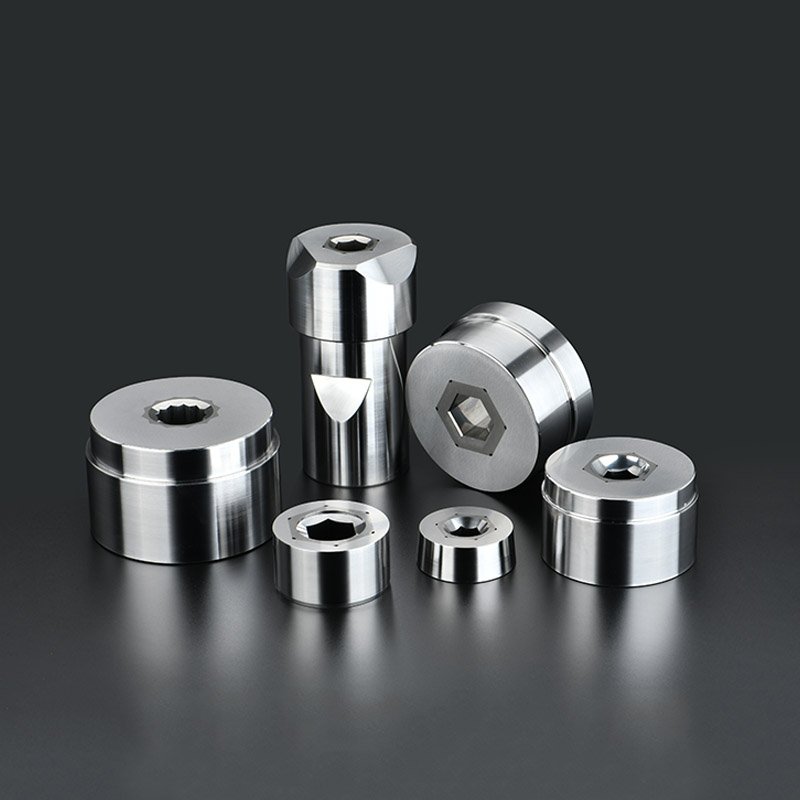
What is a Cold Heading Mold?
A Cold Heading Mold is a specialized metal forming tool used in cold heading or cold forging operations. Cold heading reshapes metal wire, rods, or billets into complex parts without melting, relying on high-pressure dies and tools to form the material into the desired shape.
The mold includes:
Cold Heading Die – Forms the head of bolts or fasteners.
Cold Heading Tool – Guides the raw material into the die.
Support Inserts – Maintain accuracy and prevent tool deformation during high-speed operations.
Modern Cold Heading Mold Suppliers produce molds compatible with automated cold forming lines, allowing precise mass production while maintaining strict tolerance standards.
Core Advantages of Cold Heading Molds
1. High Precision & Accuracy
The best Cold Heading Molds are manufactured using precision CNC machining and high-quality steel, ensuring:
Tight dimensional tolerances
Smooth surface finish on fasteners
Reduced tool wear
Minimal scrap rates
A High-Speed Steel Cold Heading Die ensures long-term durability and stable performance in high-volume production.
2. Material Efficiency & Cost Savings
Cold heading uses raw metal at room temperature, preserving material strength and reducing energy consumption. Compared with traditional machining, Cold Forming Molds:
Reduce material waste
Eliminate secondary machining for certain shapes
Increase production speed and throughput
This makes Cold Forging Dies ideal for fastener manufacturers seeking efficiency without compromising quality.
3. Versatile Compatibility
Cold Heading Dies are compatible with a variety of metals, including:
Steel (carbon, alloy, stainless)
Aluminum
Copper
Brass
They can produce components such as bolts, screws, rivets, pins, and small automotive or electronics fasteners. Custom Cold Heading Molds can also be designed for specialized applications and non-standard shapes.
4. Durable Construction
Most high-quality Cold Heading Molds are made from:
High-speed steel (HSS)
Tool steel
Tungsten Carbide inserts (optional for extreme wear resistance)
This ensures the mold maintains its shape, tolerances, and performance even during high-speed, high-volume production. Fastener Cold Heading Molds often include wear-resistant coatings to extend service life.
5. High-Speed Manufacturing Capability
Modern Cold Heading Tools are designed for high-speed operations, allowing automated production lines to produce thousands of parts per hour. This capability is essential for:
Automotive fasteners
Aerospace components
Electronics assembly parts
Hardware and construction applications
Key Features of Cold Heading Molds
High precision with minimal dimensional variation
Durable construction using high-speed steel or alloy steel
Compatible with a wide range of metals and wire diameters
Customizable designs for specialized fasteners
Wear-resistant coatings for extended die life
Supports automated cold heading machines
Typical Applications
Fasteners Manufacturing
Bolts, screws, rivets, pins, and specialty fasteners for automotive, electronics, and construction industries.Automotive Components
Engine bolts, drive shafts, and other precision automotive fasteners.Aerospace Industry
Lightweight and high-strength components such as aluminum rivets and titanium fasteners.Electronics and Appliances
Small precision screws, connectors, and pins requiring strict tolerances.Hardware & Construction
Mass production of nails, studs, and specialty hardware parts.
Why Choose Custom Cold Heading Mold?
Choosing a Custom Cold Heading Mold allows manufacturers to:
Produce non-standard shapes or sizes
Optimize molds for production speed
Enhance precision and reduce material waste
Extend tool life with specialized coatings and inserts
Ensure consistent quality for high-volume operations
Cold Heading Die Manufacturers offer OEM services, including design consultation, rapid prototyping, and bulk supply for industrial-scale production.
Comparative Advantages
Compared with traditional machining:
| Feature | Cold Heading Mold | Traditional Machining |
|---|---|---|
| Production Speed | Very high | Moderate |
| Material Waste | Minimal | Higher |
| Precision | High | Moderate |
| Tool Life | Long with HSS or carbide | Moderate |
| Cost Efficiency | High for bulk | Lower efficiency in large batches |
Compared with hot forging:
No heat treatment required, reducing energy costs
Minimal oxidation and better surface finish
Retains material strength
FAQ – High Ranking Questions
Q1: What is the difference between a cold heading die and a cold heading mold?
A1: The cold heading die is the part that shapes the metal, while the cold heading mold includes the die, tooling, and guides for the full forming process.
Q2: Can cold heading molds be customized?
A2: Yes, custom cold heading molds can be designed for non-standard fasteners or specialized industrial applications.
Q3: What materials can cold heading molds process?
A3: Common metals include steel, stainless steel, aluminum, copper, and brass.
Q4: What is the lifespan of a high-speed steel cold heading die?
A4: With proper maintenance, HSS cold heading dies can last for millions of cycles in high-volume production.
Q5: Can cold heading molds be used for automotive fasteners?
A5: Absolutely. They are widely used for bolts, screws, rivets, and pins in automotive manufacturing.
Q6: How does cold heading save costs?
A6: Cold heading reduces material waste, eliminates heat treatment, and increases production efficiency compared with traditional machining.
Q7: What industries use cold heading molds?
A7: Automotive, aerospace, electronics, construction hardware, and general fastener manufacturing.
Q8: Are there bulk supply options for cold heading molds?
A8: Yes, most cold heading mold suppliers offer bulk production and OEM solutions for industrial clients.
Q9: What types of coatings are applied to cold heading dies?
A9: Common coatings include TiN (Titanium Nitride), TiCN, and other wear-resistant coatings to extend tool life.
Q10: How should cold heading molds be maintained?
A10: Clean regularly, inspect for wear, lubricate moving parts, and store in a dry environment to maximize lifespan.