




Tungsten Carbide dies are essential tools used in industries such as wire drawing, cold heading, metal forming, and precision manufacturing. Because of their extreme hardness and wear resistance, Tungsten Carbide Dies provide excellent durability and long service life. However, to maintain optimal performance and product quality, proper polishing is necessary.
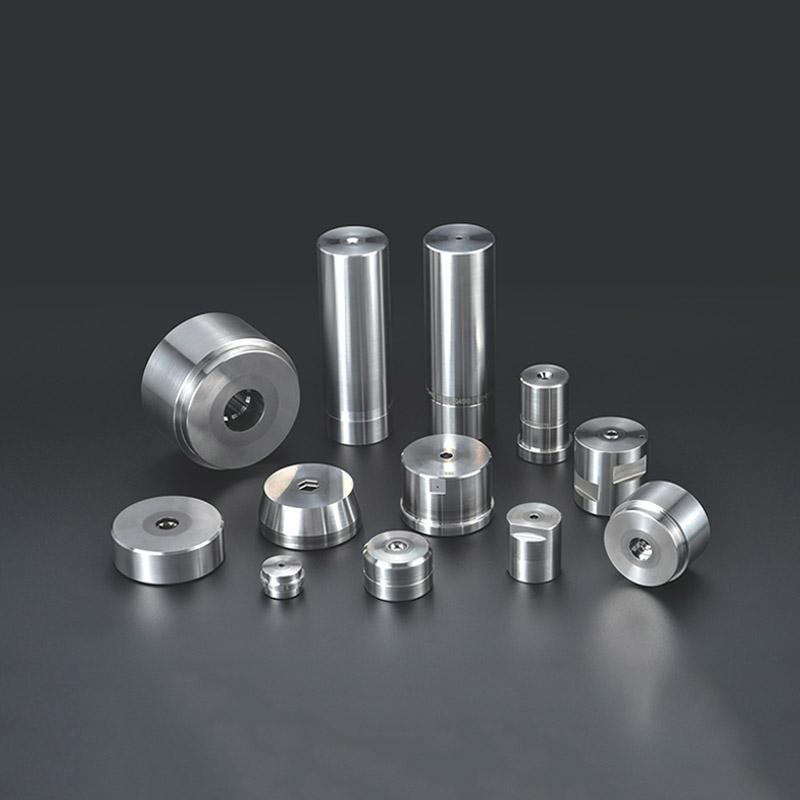
Why Polishing Tungsten Carbide Dies Is Important
Polishing plays a critical role in the performance of tungsten carbide dies. A well-polished tungsten carbide die improves product surface quality, reduces friction during forming or drawing processes, and extends tool life.
Key benefits include:
Improved surface finish of metal products
Reduced friction in drawing die operations
Increased durability of carbide dies
Higher efficiency in cold heading and wire drawing processes
Lower wear and maintenance costs
Many wire drawing dies manufacturers use precision polishing techniques to ensure their dies meet strict industrial standards.
Tools Required for Polishing Tungsten Carbide Dies
Because tungsten carbide is extremely hard, specialized tools are required for polishing.
Tungsten Carbide Die Grinder Bits
Tungsten carbide die grinder bits are commonly used for shaping and finishing the surface of carbide dies. These tools allow operators to remove microscopic irregularities and prepare the die for final polishing.
Diamond Polishing Tools
Diamond paste or diamond polishing wheels are often used because diamond is harder than tungsten carbide and can effectively polish its surface.
Ultrasonic Polishing Equipment
Some advanced tungsten carbide dies manufacturers use ultrasonic polishing machines to achieve ultra-smooth die surfaces.
Fine Abrasive Compounds
Abrasive materials with extremely fine grit sizes help achieve mirror-like finishes on tungsten carbide dies.
Step-by-Step Process for Polishing Tungsten Carbide Dies
1. Surface Preparation
Before polishing, the tungsten carbide die must be cleaned and inspected for defects. Any cracks or damage should be repaired before proceeding.
For tungsten Carbide Cold Heading Dies and wire drawing dies, precise preparation ensures the final polishing process delivers optimal results.
2. Rough Grinding
The first stage involves using tungsten carbide die grinder bits to remove machining marks or surface irregularities. This step ensures the die surface becomes smooth enough for fine polishing.
Grinding should be done carefully to avoid overheating the carbide die.
3. Intermediate Polishing
After rough grinding, medium-grit diamond abrasives are used to further smooth the die surface. This stage reduces microscopic scratches and prepares the drawing die for final polishing.
4. Fine Polishing
Fine diamond paste is applied to achieve a mirror-like finish. This step is particularly important for wire drawing dies, where surface smoothness directly affects wire quality.
Professional wire drawing die manufacturers often use automated polishing equipment to ensure consistent surface finishes.
5. Final Inspection
After polishing, the tungsten carbide dies are inspected using magnification equipment to check surface smoothness, roundness, and dimensional accuracy.
Quality control is a key step followed by reputable tungsten carbide dies manufacturers.
Applications of Polished Tungsten Carbide Dies
Properly polished tungsten carbide dies are used in many industrial applications.
Wire Drawing Industry
Wire drawing dies require extremely smooth internal surfaces to ensure consistent wire diameter and prevent surface defects.
Cold Heading Processes
Tungsten carbide Cold Heading Dies are used to form fasteners, bolts, and screws with high precision.
Metal Forming
Various drawing dies are used in manufacturing processes that shape metal wires, rods, and tubes.
Precision Manufacturing
High-quality carbide dies are used in electronics, automotive, and aerospace industries.
Choosing a Reliable Tungsten Carbide Die Manufacturer
When selecting a supplier, it is important to work with experienced tungsten carbide dies manufacturers or wire drawing dies manufacturers that provide:
High-quality tungsten carbide dies with precise polishing
Advanced grinding and polishing technology
Custom die design and manufacturing
Strict quality control standards
Reliable after-sales support
A professional wire drawing die manufacturer can provide durable drawing dies that ensure consistent performance in demanding industrial environments.
Maintenance Tips for Tungsten Carbide Dies
To maintain polished tungsten carbide dies, consider the following tips:
Regularly clean the die to remove debris and metal particles
Avoid excessive pressure during operation
Inspect dies periodically for wear or damage
Store carbide dies in dry and protected environments
Re-polish dies when surface wear becomes visible
Proper maintenance helps extend the lifespan of tungsten carbide dies and maintain consistent product quality.
Learning how to polish tungsten carbide dies is essential for maintaining high-performance tooling in wire drawing, cold heading, and metal forming industries. Using tools such as tungsten carbide die grinder bits, diamond abrasives, and advanced polishing equipment ensures smooth die surfaces and improved manufacturing efficiency.
Whether you are producing tungsten carbide cold heading dies or wire drawing dies, working with experienced tungsten carbide dies manufacturers and wire drawing die manufacturers guarantees precision, durability, and long-term reliability.