




In the fastener manufacturing industry, heading screw molds play a critical role in producing high-quality screws, bolts, and other fasteners. These molds are designed to shape the head of a screw through a cold forming process known as cold heading. A high-precision screw heading mold ensures consistent dimensions, improved product strength, and efficient mass production.
What Is a Heading Screw Mold?
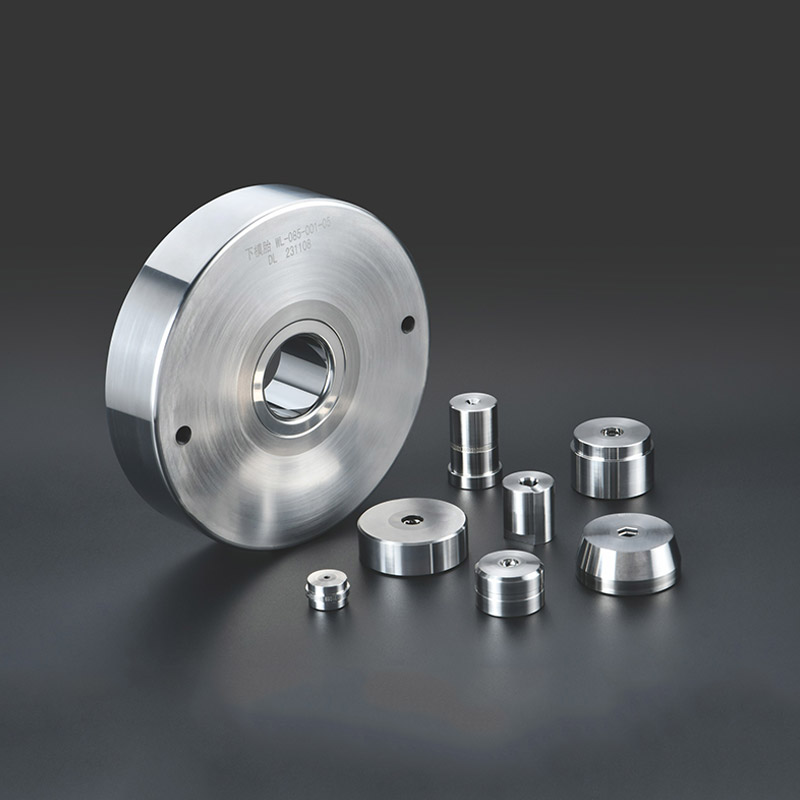
A heading screw mold, also called a screw heading die or cold heading screw mold, is a specialized tool used in cold heading machines to form the head of screws or fasteners. During the cold heading process, metal wire is cut to the required length and then shaped under high pressure using precision screw heading dies.
This process allows manufacturers to produce large volumes of fasteners with high accuracy and minimal material waste. Because of the high pressure involved, the screw forming mold must be made from durable materials capable of withstanding heavy wear and repeated impact.
How a Screw Heading Mold Works
The cold heading process involves several steps that use different screw heading molds and tools.
1. Wire Feeding
Metal wire, usually steel or stainless steel, is fed into the cold heading machine.
2. Cutting
The wire is cut into specific lengths that will become individual screws or fasteners.
3. Heading Process
The cut metal blank is placed inside the screw heading die, where high pressure forms the screw head using the screw head forming mold.
4. Shaping and Forming
Depending on the fastener design, additional Cold Heading Dies for screws may be used to refine the shape of the head.
5. Final Processing
After the head is formed, the screw may go through thread rolling and finishing processes.
Because this process involves repeated impact and friction, precision screw heading molds must be extremely durable and wear-resistant.
Types of Screw Heading Dies
Different types of screw heading molds are used depending on the screw design and production process.
Single Station Screw Heading Mold
A single station screw heading die performs one forming operation. It is typically used for simple screw head designs.
Multi-Station Screw Heading Mold
A multi station screw heading mold is used in advanced cold heading machines. Multiple forming operations occur in sequence, allowing the production of complex fasteners with higher efficiency.
Carbide Screw Heading Die
A carbide screw heading die is made from Tungsten Carbide materials that offer superior hardness and wear resistance compared to traditional steel molds.
Precision Screw Forming Mold
These molds are designed for high-accuracy applications where tight tolerances are required in fastener production.
Materials Used in Screw Heading Molds
Because of the high impact and friction in cold heading operations, the material used for screw heading molds is extremely important.
Tungsten Carbide Screw Mold
A Tungsten Carbide screw mold is one of the most common choices for modern fastener production. Tungsten carbide offers:
Extremely high hardness
Excellent wear resistance
Long tool life
High dimensional stability
This makes carbide screw heading dies ideal for high-speed fastener manufacturing.
Heat-Treated Tool Steel
Some screw heading dies are made from high-quality tool steel with special heat treatment to improve durability.
However, compared with carbide molds, steel molds typically have shorter service life in high-volume production.
Advantages of High Precision Screw Heading Molds
Using high-quality screw heading molds provides several important benefits.
High Production Efficiency
Cold heading processes using precision screw forming molds allow manufacturers to produce thousands of screws per hour.
Reduced Material Waste
Because cold heading reshapes metal rather than cutting it, cold heading screw molds help minimize material loss.
Consistent Product Quality
High-precision screw heading dies ensure consistent screw head dimensions and improved product strength.
Longer Tool Life
Using tungsten carbide screw heading dies significantly extends tool life and reduces maintenance costs.
Applications of Screw Heading Molds
Screw heading molds are widely used in various manufacturing industries.
Fastener Manufacturing
The most common application is the production of screws, bolts, and other fasteners using fastener heading molds.
Automotive Industry
Automotive manufacturers rely on high-precision screw heading molds to produce durable fasteners for engines, chassis, and structural components.
Electronics Industry
Small precision screws used in electronics devices are often produced using precision screw heading dies.
Construction and Machinery
Heavy-duty fasteners for construction equipment and machinery are also manufactured using cold heading screw molds.
Choosing a Reliable Screw Heading Mold Manufacturer
Selecting the right screw heading mold manufacturer is essential for ensuring product quality and production efficiency.
A professional cold heading mold factory typically offers:
High precision screw heading dies
Durable tungsten carbide screw molds
Custom mold design for different screw types
Advanced machining and polishing technology
Strict quality inspection processes
Working with an experienced fastener mold manufacturer ensures that the molds perform reliably in high-speed production environments.
A heading screw mold is a critical tool in the fastener manufacturing process. These molds shape screw heads through cold heading technology, enabling efficient and precise mass production. High-quality screw heading dies, especially those made from tungsten carbide, offer superior wear resistance, longer service life, and improved product consistency.
Whether producing automotive fasteners, industrial bolts, or electronic screws, using durable precision screw heading molds from a reliable manufacturer ensures optimal performance and manufacturing efficiency.