




What Are Steel Dies?
Steel dies are precision tools used in manufacturing processes to shape, cut, or form metal materials into specific designs. Widely applied in industrial production, steel dies play a crucial role in industries such as automotive, fasteners, aerospace, and hardware manufacturing.
Compared to other materials, industrial steel dies are known for their durability, strength, and cost-effectiveness. They are commonly used in processes like stamping, forging, and Cold Heading.
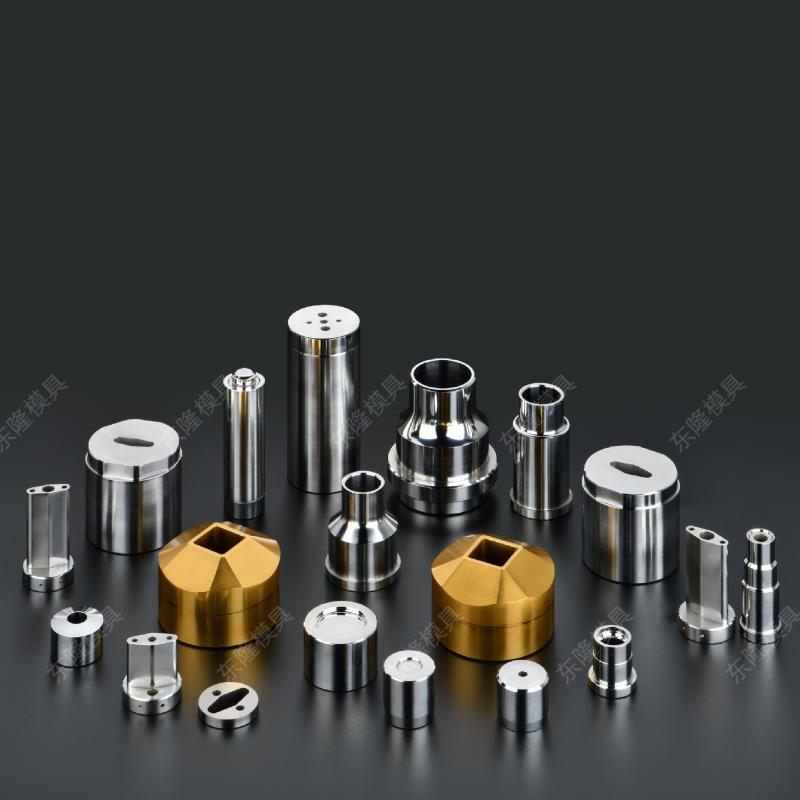
What Is Steel Die Used For?
A steel die is mainly used to transform raw materials into finished or semi-finished products with high accuracy. Common applications include:
Metal stamping and forming
Fastener production (screws, bolts, nuts)
Automotive parts manufacturing
Hardware and industrial component production
For example, cold heading steel dies are widely used in fastener production, while steel forging dies are ideal for shaping high-strength metal components.
Common Types of Steel Dies
There are various types of steel dies designed for different manufacturing processes:
1. Steel Stamping Dies
Used in sheet metal processing, steel stamping dies are essential for mass production with high efficiency.
2. Steel Forming Dies
Steel forming dies reshape materials without removing excess material, ensuring structural integrity.
3. Steel Cutting Dies
Steel cutting dies are used to cut metal into precise shapes and sizes.
4. Steel Forging Dies
Including hot forging steel dies and cold heading steel dies, these are used for high-strength parts production.
5. Progressive Steel Dies
Progressive steel dies allow multiple operations in one cycle, improving efficiency and reducing costs.
6. CNC Machined Steel Dies
CNC machined steel dies offer high precision and consistency, making them ideal for complex designs.
Steel Dies vs Carbide Dies
When choosing between steel dies and carbide steel dies, it depends on application requirements:
Steel dies: More cost-effective, suitable for medium production volumes
Carbide Dies: Higher hardness and wear resistance, ideal for long-term, high-volume production
Many manufacturers combine both materials to balance performance and cost.
How to Make Steel Dies?
The process of manufacturing precision steel dies involves several steps:
Material Selection
High-quality materials such as high-speed steel dies are chosen for durability and performance.Design and Engineering
CAD/CAM systems are used to design custom steel dies based on specific requirements.CNC Machining
Advanced equipment ensures high precision in CNC machined steel dies.Heat Treatment
Enhances hardness, wear resistance, and service life.Grinding and Finishing
Ensures accuracy and smooth surface finish.Inspection and Testing
Guarantees that all precision steel dies meet strict quality standards.
Advantages of Custom Steel Dies
Choosing custom steel dies provides several benefits:
Tailored design for specific applications
Improved production efficiency
Higher product accuracy
Reduced material waste
A professional steel dies manufacturer or steel dies supplier can provide full steel dies customization services to meet unique production needs.
How to Choose the Right Steel Dies Supplier
When selecting a reliable steel dies supplier or steel dies manufacturer, consider the following:
Experience in producing precision steel dies
Capability in CNC machined steel dies
Customization services and engineering support
Quality control and certifications
Ability to deliver on time
Working with a trusted partner ensures stable quality and long-term cooperation.
Steel dies are essential tools in modern manufacturing, offering precision, durability, and versatility. From steel stamping dies to cold heading steel dies, choosing the right type and supplier is key to improving production efficiency and product quality.
If you are looking for a reliable steel dies manufacturer, investing in custom steel dies with high precision and durability will bring long-term value to your business.