




In precision tooling and metal forming industries, the punch case plays a critical role in ensuring stability, accuracy, and durability of punching operations. Whether used in Punch Dies, stamping molds, or Cold Heading applications, a high-quality punch case directly impacts tooling performance and service life.
As a professional punch case manufacturer, supplier, and factory, understanding the function and selection of punch cases can help buyers make better purchasing decisions and improve production efficiency.
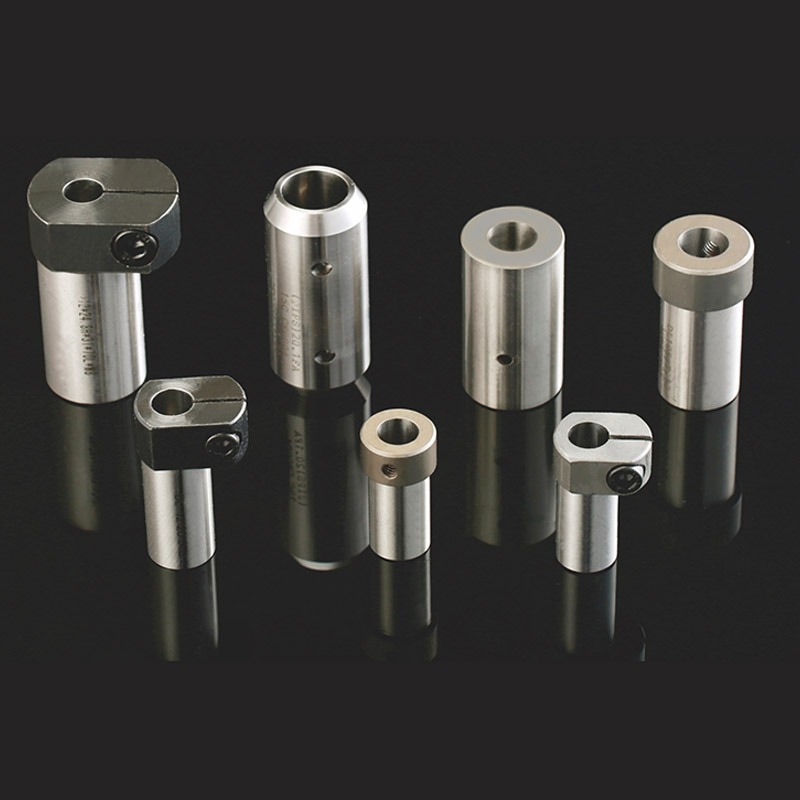
What Is a Punch Case?
A punch case is a structural component used to hold and support punch tools within a die system. It acts as a housing that ensures precise alignment and secure positioning of the punch during operation.
In industrial applications, punch cases are commonly integrated into:
Punch mold cases
Punch die molds
Metal stamping systems
Depending on application requirements, punch cases can be customized in different shapes, sizes, and materials to meet high-precision tooling needs.
What Is a Punch Case Used For?
The primary function of a punch case is to provide stability and protection for punch tools under high-load and high-speed conditions.
Key applications include:
Metal Stamping Industry
Used in punch dies to maintain alignment and ensure consistent stamping accuracy.Cold Heading & Fastener Production
Supports punch components in high-pressure forming processes.Precision Mold Manufacturing
Integrated into punch mold cases for complex tooling systems.Automotive & Hardware Production
Ensures durability and repeatability in mass production environments.
A well-designed punch case improves tool life, reduces wear, and minimizes downtime.
Types of Punch Cases
1. Carbide Punch Case
Made from high-performance carbide materials
Excellent wear resistance and long service life
Ideal for high-volume and high-precision applications
2. Steel Punch Case
Typically made from hardened tool steel
Cost-effective and widely used
Suitable for general industrial applications
3. Custom Punch Cases
Designed according to specific tooling requirements
Available in various dimensions, tolerances, and structures
Ideal for OEM/ODM projects
How to Choose a Punch Case
Selecting the right punch case is crucial for achieving optimal performance. Here are key factors to consider:
1. Material Selection
Choose carbide punch case for high wear resistance
Choose steel punch case for cost-effective applications
2. Precision Requirements
High-precision industries require tight tolerances
Ensure compatibility with your punch dies and tooling system
3. Application Environment
Consider pressure, temperature, and production volume
High-load environments need reinforced structures
4. Customization Capability
Work with a reliable punch case manufacturer or supplier
Ensure support for custom punch case design
5. Supplier Experience
Choose an experienced punch case factory
Check manufacturing capability, quality control, and past projects
Punch Case Manufacturing Process
A professional punch case factory typically follows strict production procedures:
Raw material selection (carbide or steel)
CNC precision machining
Heat treatment (for steel punch cases)
Grinding and finishing
Quality inspection and tolerance control
Advanced manufacturing ensures high consistency and reliability for industrial use.
Why Choose a Professional Punch Case Manufacturer?
Working with an experienced punch case supplier offers several advantages:
High precision manufacturing capability
Custom punch case customization support
Stable product quality and durability
Competitive factory pricing
Technical support for tooling design
A trusted punch case manufacturer not only supplies products but also helps optimize your tooling performance.
The punch case is a vital component in modern tooling systems, especially in punch dies, punch mold cases, and industrial stamping applications. Choosing the right material, design, and supplier can significantly improve efficiency, reduce wear, and extend tool life.
If you are looking for a reliable punch case supplier, manufacturer, or factory, consider working with a partner that offers precision engineering, customization capability, and consistent quality.