




Precision Mold Components are high-accuracy parts used in molds and dies to shape, form, and produce products with tight tolerances. These components are essential in industries such as plastic injection molding, metal stamping, and die casting, where consistent quality and precision are critical.
Also known as precision mold parts or precision tooling components, they ensure the proper functioning, alignment, and durability of molds during mass production.
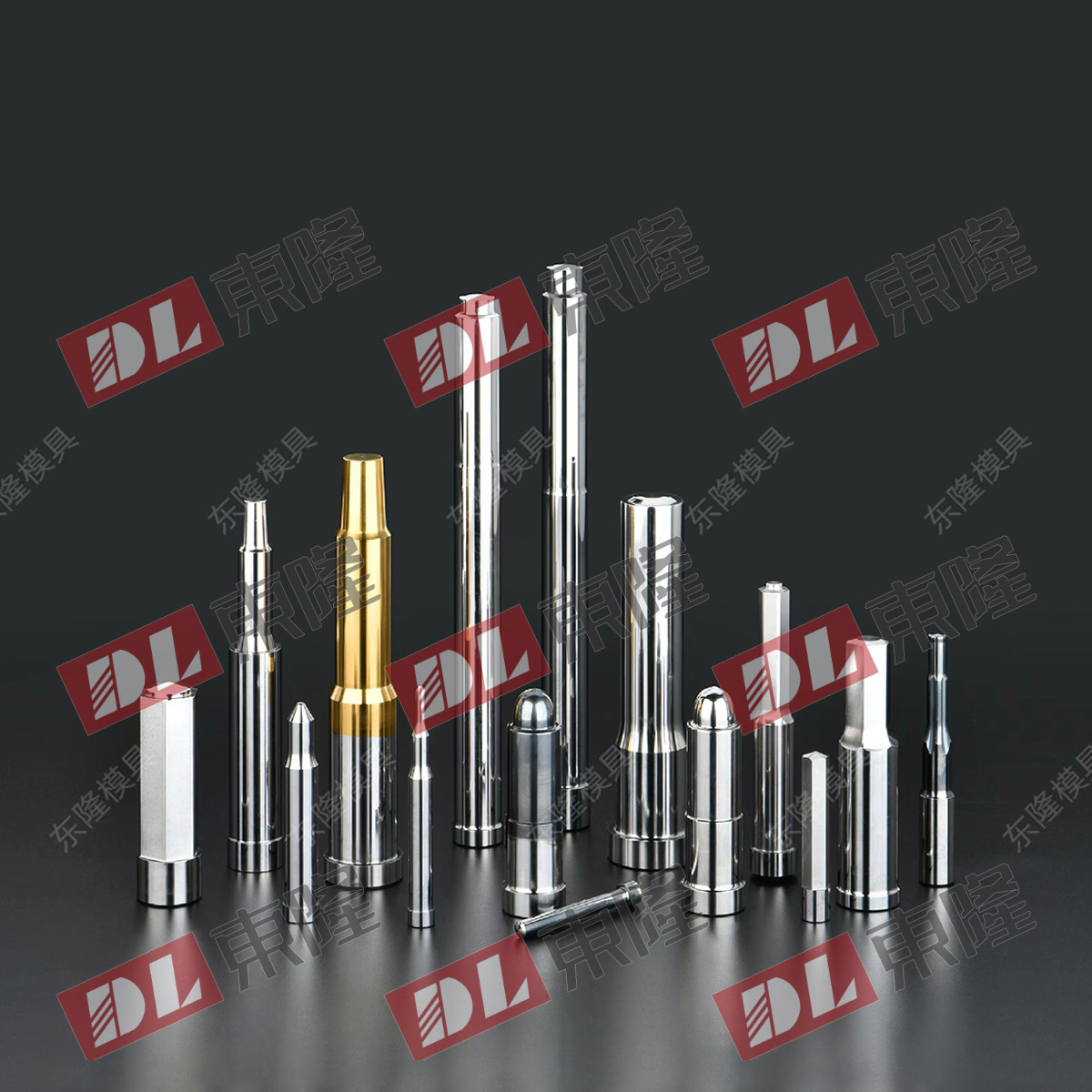
What Are precision mold components Used For?
Mold components play a vital role in manufacturing processes by:
Forming product shapes with high accuracy
Ensuring consistent product quality
Supporting mold structure and movement
Extending mold service life
They are widely used in:
Plastic injection mold parts production
Automotive manufacturing
Electronics and medical industries
Die casting and stamping processes
Types of Precision Mold Components
There are many types of precision mold components, each serving a specific function within a mold system.
1. Core and Cavity
The mold core and cavity define the final shape of the product. These are among the most critical precision mold parts and require extremely tight tolerances.
2. Ejector System Components
Includes:
Ejector pins
These components help eject finished products from the mold safely and efficiently.
3. Guide Components
Guide pins and bushings ensure accurate alignment during mold opening and closing, reducing wear and improving stability.
4. Mold Inserts
Mold inserts are replaceable parts used to modify or repair specific mold areas without replacing the entire mold.
5. Slide and Lifter Components
Slide core units
Lifter components
These are used for complex part geometries, allowing undercuts and special shapes to be formed.
Manufacturing Processes of Precision Mold Components
To achieve high accuracy, precision mold components are produced using advanced machining techniques:
CNC machining mold components for high precision and repeatability
EDM mold components for complex shapes and fine details
Wire cutting and grinding for tight tolerance finishing
These processes ensure High Precision Mold parts meet strict industrial standards.
Materials Used in Mold Components
The performance of precision mold components depends heavily on material selection. Common materials include:
Tool steel mold components (e.g., SKD11, SKH51)
Hardened steel for wear resistance
Carbide for high durability
Stainless steel for corrosion resistance
These materials ensure long life mold components with excellent strength and stability.
Key Features of High Precision Mold Components
1. Tight Tolerance
High-quality precision mold parts are manufactured with extremely tight tolerances to ensure product accuracy.
2. High Durability
Using hardened materials, wear resistant mold parts can withstand long production cycles.
3. Consistent Performance
Reliable precision tooling components maintain consistent quality across large production volumes.
4. Customization Capability
Many manufacturers offer custom precision mold components tailored to specific product and mold requirements.
Why Precision Mold Components Matter
Choosing the right precision mold components manufacturer is crucial because:
Poor quality components lead to defects and downtime
High precision ensures better product consistency
Durable components reduce maintenance costs
Custom solutions improve production efficiency
For industries requiring high precision mold parts, quality directly impacts final product performance.
Custom Precision Mold Components Solutions
Many suppliers offer:
Custom mold components based on drawings
OEM/ODM services
High-precision machining with strict quality control
Working with a professional mold components supplier ensures reliable and scalable production.
FAQ
1. What are precision mold components?
They are high-accuracy parts used in molds to shape and produce products with tight tolerances.
2. What industries use mold components?
Industries include injection molding, automotive, electronics, medical, and die casting.
3. What materials are used?
Common materials include tool steel, carbide, and stainless steel.
4. Can mold components be customized?
Yes, most manufacturers provide custom precision mold components based on specific requirements.
Precision mold components are the foundation of modern manufacturing, enabling high-quality, efficient, and repeatable production. From mold core and cavity to ejector pins and guide pins and bushings, each component plays a critical role in ensuring mold performance.
By choosing high-quality precision mold parts and working with a reliable precision mold components manufacturer, businesses can improve product quality, reduce costs, and enhance overall production efficiency.