




In metal manufacturing, selecting the right die is critical for achieving precision, reducing production costs, and extending tool life. Two commonly used tooling solutions are forming die and drawing die, but many buyers and manufacturers often confuse the two.
So, what is the difference between forming die and drawing die?
In this article, we’ll explain how each die works, their applications, key differences, and how products like Cold Forging Die, Carbide Nut Die, and Carbide Drawing dies fit into modern manufacturing processes.
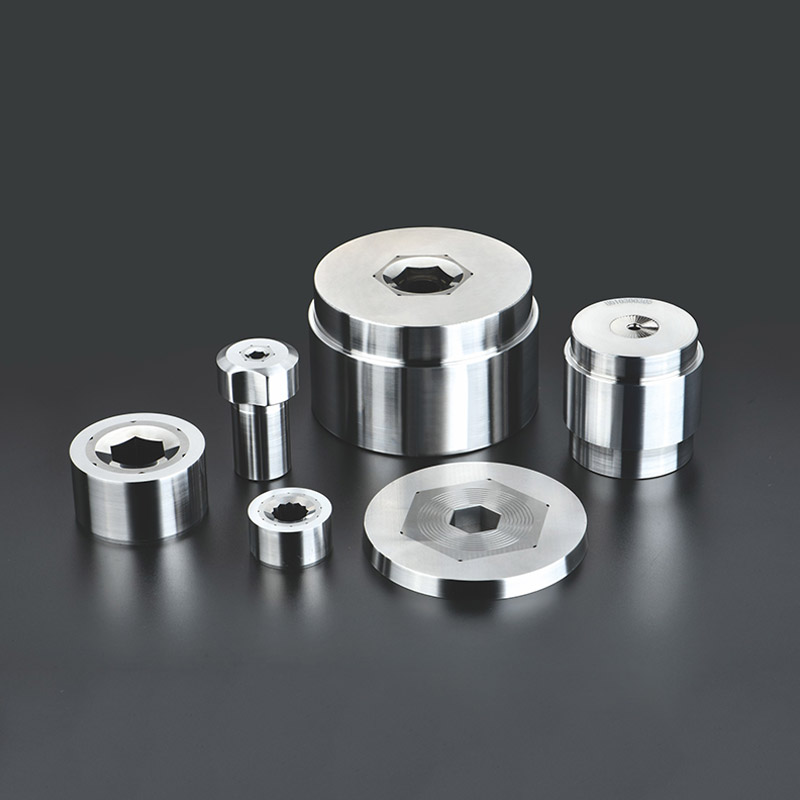
What Is a Forming Die?
A forming die is used to reshape metal materials without significantly changing their thickness. The purpose is to alter the external shape of the material through pressure.
Common forming processes include:
Bending
Flanging
Embossing
Coining
Curling
Shaping
A forming die is commonly used in metal stamping die operations where flat sheet metal needs to be bent or reshaped into specific forms.
Common Applications of Forming Dies
Automotive brackets
Electronic housings
Appliance parts
Metal frames
Industrial hardware components
What Is a Drawing Die?
A drawing die is designed to stretch flat metal material into hollow or deeper shapes.
Unlike forming dies, drawing dies require significant material flow.
This process is often referred to as deep drawing die manufacturing.
Examples include producing:
Metal cups
Cans
Automotive shells
Kitchen sinks
Battery casings
Cylindrical containers
The metal is pulled into the die cavity, creating a deeper structure.
What Is a Deep Drawing Die?
A deep drawing die is a specialized type of drawing die used when the drawing depth exceeds the diameter of the part.
These dies require:
High precision
Excellent wear resistance
Strong material strength
This is why many manufacturers use carbide drawing dies for demanding production environments.
Key Differences Between Forming Die and Drawing Die
| Feature | Forming Die | Drawing Die |
|---|---|---|
| Main Function | Reshape metal | Stretch metal |
| Material Flow | Minimal | Significant |
| Product Shape | Bends, curves, flanges | Hollow shapes |
| Thickness Change | Minimal | Possible |
| Complexity | Lower | Higher |
What Is a Cold Forging Die?
A Cold Forging Die is another important tooling solution used to shape metal at room temperature under high pressure.
It is commonly used for manufacturing:
Fasteners
Screws
Bolts
Automotive parts
Precision metal components
Cold forging provides:
High production efficiency
Strong mechanical properties
Material savings
What Is a Carbide Nut Die?
A Carbide Nut Die is commonly used in nut manufacturing and fastener production.
Because carbide offers excellent hardness and wear resistance, it is ideal for high-volume production.
Benefits include:
Longer lifespan
Better dimensional accuracy
Reduced downtime
Higher productivity
Why Use Carbide Drawing Dies?
Carbide drawing dies are widely used because they offer:
Superior wear resistance
Longer service life
Better precision
Improved surface finish
They are commonly used in:
Wire drawing
Tube drawing
Deep drawing
Precision metal forming
Importance of Precision Die Components
Both forming and drawing operations rely on high-quality precision die components.
These include:
Punches
Dies
Guide pins
Bushings
Ejector components
Carbide inserts
Precision components improve tooling performance and reduce production defects.
Applications of Metal Stamping Die Systems
A metal stamping die can include both forming and drawing operations depending on production needs.
Industries include:
Automotive
Aerospace
Electronics
Construction
Fastener manufacturing
How to Choose the Right Die?
Choose a forming die when:
You need bending or reshaping
The product remains mostly flat
Choose a drawing die when:
You need hollow parts
The material must stretch significantly
Choose Cold Forging Die or Carbide Nut Die solutions when producing fasteners and precision metal components.
Why Choose Our Die Solutions?
We provide high-performance:
Cold Forging Die
Carbide Nut Die
Carbide Drawing Dies
Precision Die Components
Custom Metal Stamping Die Solutions
Our advantages include:
High precision manufacturing
Strict quality control
OEM customization
Long service life
Fast global delivery
FAQ
What is the main difference between forming die and drawing die?
Forming dies reshape metal, while drawing dies stretch metal into deeper hollow shapes.
What industries use deep drawing dies?
Automotive, cookware, battery manufacturing, and packaging industries.
Why are Carbide Dies popular?
Because they offer excellent hardness and longer service life.
Understanding the difference between forming die and drawing die helps manufacturers choose the right tooling solution for their production needs. Whether you need Cold Forging Die, Carbide Nut Die, deep drawing die, or custom precision die components, selecting the right tooling partner can improve efficiency and product quality.