




The automotive industry relies heavily on high-precision manufacturing processes to produce durable, reliable, and lightweight vehicle components. One of the most important tools used in this field is the automotive forging mold. From engine parts to transmission systems and components used in electric vehicles, automotive molds play a critical role in ensuring production efficiency and product quality.
In this article, we will explain what mold means in the automotive industry, the difference between forging and molding, and why precision forging dies are essential for modern automotive manufacturing.
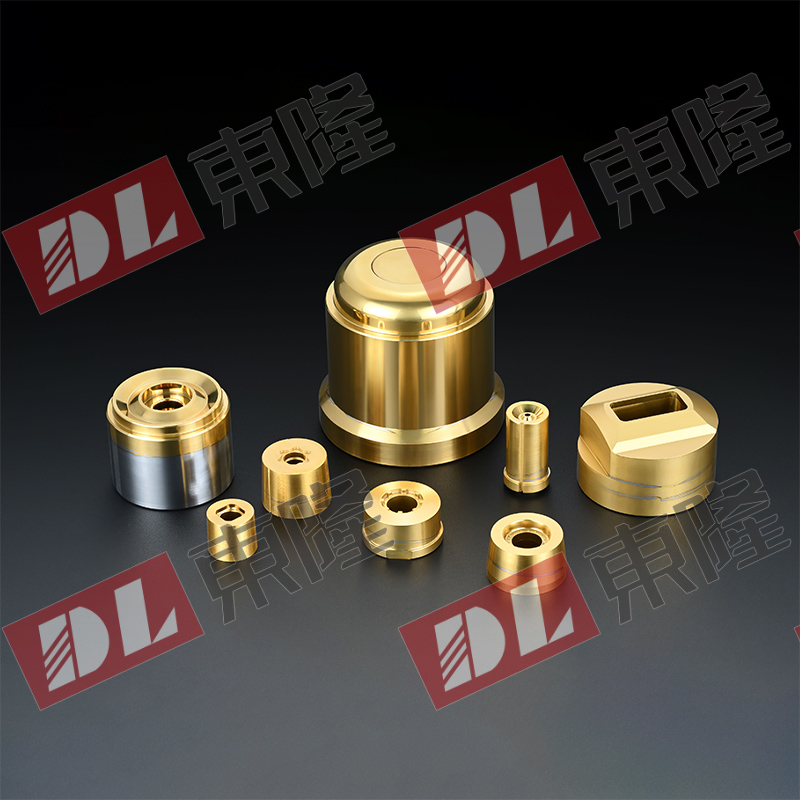
What Is Mold in the Automotive Industry?
In the automotive industry, a mold or die is a specially designed tool used to shape raw materials into automotive parts. Automotive molds are widely used in metal forming, plastic injection molding, casting, and forging processes.
An automotive mold is typically manufactured from high-strength steel to withstand high pressure, temperature, and repeated production cycles. These molds help manufacturers produce parts with consistent dimensions, excellent surface finish, and high mechanical strength.
Common applications of automotive molds include:
Engine components
Transmission gears
Suspension parts
Steering system components
Chassis parts
Brake system parts
New energy vehicle components
Today, both traditional fuel vehicles and electric vehicles depend on advanced automotive moulds for mass production.
What Is an Automotive Forging Mold?
An automotive forging mold is a specialized die used in the forging process to shape heated metal into specific automotive components. It is also known as an automotive forging tooling system.
During forging, metal billets are heated and compressed under high pressure inside the forging die. This process improves the internal grain structure of the metal, resulting in stronger and more durable parts.
Automotive forging molds are commonly used to manufacture:
Crankshafts
Connecting rods
Wheel hubs
Axles
Gears
Drive shafts
EV motor components
Because automotive parts often require exceptional strength and fatigue resistance, forging is preferred for many critical applications.
Precision Forging Die in Automotive Manufacturing
A precision forging die is a high-accuracy tooling system designed to produce near-net-shape forged components with minimal machining requirements.
Compared with conventional forging, precision die forging offers several advantages:
Higher Dimensional Accuracy
Precision forging produces parts with tight tolerances, reducing secondary machining costs.
Improved Material Utilization
The process minimizes material waste and improves production efficiency.
Better Mechanical Properties
Forged automotive parts have higher strength, toughness, and fatigue resistance.
Lower Production Costs
Mass production becomes more economical due to reduced processing steps.
As automotive manufacturers continue pursuing lightweight and high-performance vehicles, precision forging technology becomes increasingly important.
New Energy Vehicle Die Applications
The rapid growth of electric vehicles has increased demand for specialized new energy vehicle die solutions. Compared with traditional vehicles, EVs require lightweight structures, high-strength components, and advanced thermal management systems.
Common die for new energy vehicles applications include:
Battery housing components
Electric motor parts
Lightweight aluminum structural components
Transmission systems for EVs
Charging system hardware
Manufacturers are investing heavily in advanced auto mold technologies to support the expanding electric vehicle market.
What Is the Difference Between Forging and Molding?
Although forging and molding are both manufacturing processes used to shape materials, they are fundamentally different in terms of materials, methods, and applications.
| Feature | Forging | Molding |
|---|---|---|
| Material | Mainly metals | Plastics, rubber, metal, composites |
| Process | Compression under high pressure | Material poured or injected into a mold |
| Temperature | Usually high temperature | Varies depending on material |
| Strength | Very high mechanical strength | Lower compared to forged parts |
| Applications | Automotive, aerospace, heavy machinery | Plastic parts, consumer products |
| Tooling | Forging dies | Molds |
Forging Process
Forging uses compressive force to deform heated metal into the desired shape. This process enhances the metal’s grain structure and improves durability.
Molding Process
Molding generally involves injecting or pouring material into a cavity where it solidifies into shape. Plastic automotive interior parts are commonly produced using molding.
In the automotive sector, forged components are preferred for high-load applications, while molded parts are commonly used for lightweight or decorative components.
Advantages of Automotive Forging Tooling
Modern automotive forging tooling offers several benefits for manufacturers:
Excellent Product Consistency
High-quality tooling ensures stable production and consistent dimensions.
Longer Tool Life
Advanced die materials and heat treatment improve durability.
High Production Efficiency
Forging molds support large-scale automotive production.
Superior Component Strength
Forged automotive parts perform better under stress and fatigue conditions.
These advantages make forging an essential process for both conventional and electric vehicle manufacturing.
Future Trends in Automotive Molds
The automotive industry is evolving rapidly with the rise of automation, lightweight materials, and electric vehicles. As a result, automotive mold technologies are also advancing.
Future trends include:
Smart die monitoring systems
High-speed precision forging
Lightweight alloy forging
AI-assisted mold design
Longer-lasting die materials
Sustainable manufacturing processes
Manufacturers that adopt advanced automotive molds and precision forging die technologies will gain a competitive advantage in the global automotive market.
An automotive forging mold is a crucial tool in modern automotive manufacturing, enabling the production of strong, precise, and reliable vehicle components. Whether for traditional cars or electric vehicles, advanced automotive moulds, precision forging dies, and new energy vehicle die solutions are driving innovation across the industry.
Understanding the difference between forging and molding helps manufacturers choose the right process for specific automotive applications. As vehicle technologies continue to evolve, high-quality automotive forging tooling will remain essential for achieving superior performance, efficiency, and durability.