




Forging is one of the oldest and most reliable metalworking processes used in modern manufacturing. Among the various forging methods, Open Die Forging is widely recognized for producing large, strong, and high-quality metal components used in industries such as aerospace, automotive, energy, mining, and heavy machinery.
In this article, we will explain what open die forging is, the difference between open and closed die forging, and the main advantages of the open die forging process.
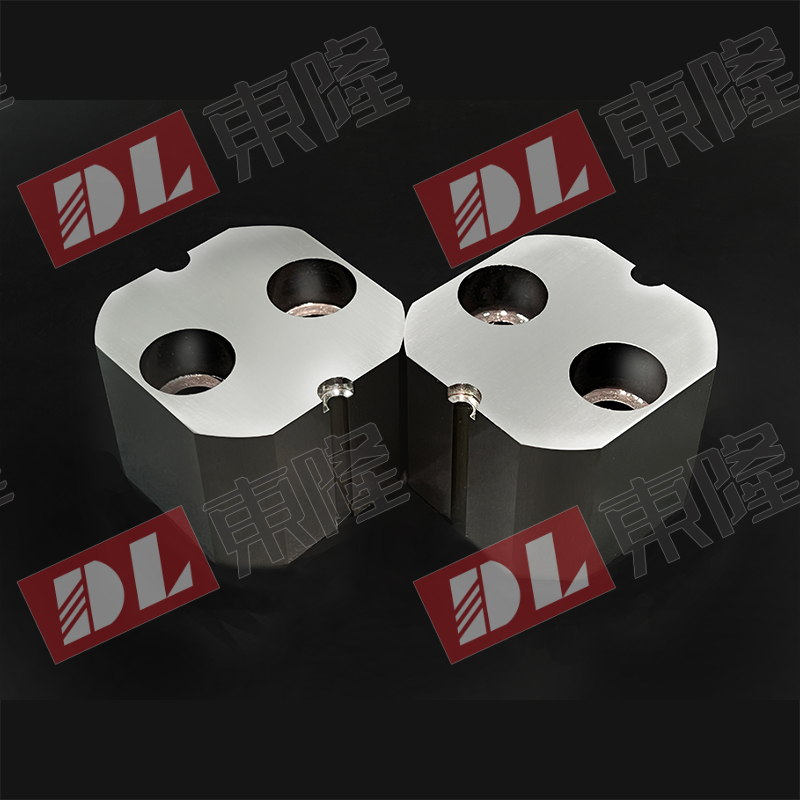
What Is Open Die Forging?
Open die forging is a metal shaping process where heated metal is compressed between flat or simple-shaped dies that do not completely enclose the material. During the process, the metal is repeatedly hammered or pressed to achieve the desired shape and dimensions.
Unlike impression or enclosed dies, the material in open die forging is free to flow laterally during deformation. This method is ideal for producing large and custom-shaped components.
The open die forging process is commonly used to manufacture:
Shafts
Rings
Cylinders
Discs
Rollers
Pressure vessel components
Heavy industrial parts
Open die forging can be performed using hydraulic presses, forging hammers, or open die press forging equipment.
How Does the Open Die Forging Process Work?
The open die forging process involves several key steps:
1. Heating the Metal
The metal billet or ingot is heated to a forging temperature that improves ductility and reduces deformation resistance.
2. Positioning Between Dies
The heated material is placed between upper and lower dies, often referred to simply as the open die.
3. Applying Compression Force
A forging hammer or hydraulic press applies repeated compressive force to shape the metal gradually.
4. Manipulating the Workpiece
Operators rotate and reposition the metal during forging to achieve the required dimensions.
5. Cooling and Finishing
After forging, the component undergoes cooling, heat treatment, machining, or surface finishing if necessary.
Because the dies do not fully enclose the workpiece, the process offers excellent flexibility for producing customized forged components.
What Is Closed Die Forging?
Closed die forging is a forging process where the heated metal is placed into a specially designed die cavity that completely or partially encloses the material.
As pressure is applied, the metal flows into the cavity shape, producing precise and complex components with minimal machining.
The closed die forging process is commonly used for:
Automotive parts
Gears
Connecting rods
Hand tools
Aerospace components
Industrial machinery parts
Closed die forging is often preferred for high-volume production requiring excellent dimensional consistency.
What Is the Difference Between Open and Closed Die Forging?
Although both methods belong to the forging family, there are significant differences between closed and open die forging.
| Feature | Open Die Forging | Closed Die Forging |
|---|---|---|
| Die Design | Simple flat dies | Enclosed cavity dies |
| Material Flow | Free lateral flow | Controlled cavity flow |
| Part Complexity | Simple shapes | Complex shapes |
| Production Volume | Low to medium | Medium to high |
| Component Size | Large components | Small to medium components |
| Tooling Cost | Lower | Higher |
| Dimensional Accuracy | Moderate | High |
| Material Waste | Lower | Moderate |
Open Die Forging
Best for large parts
Lower tooling cost
Flexible production
Excellent grain structure improvement
Closed Die Forging
Better precision
Suitable for complex geometries
Higher production efficiency
Better surface finish
Both methods rely heavily on high-quality industrial forging tools and durable forging molds to ensure consistent production quality.
What Is the Main Advantage of Open Die Forging?
The main advantage of open die forging is its ability to produce very large and high-strength components with superior mechanical properties.
Improved Strength and Durability
The forging process refines the grain structure of the metal, resulting in better toughness, fatigue resistance, and impact strength.
Flexibility for Large Parts
Open die forging is ideal for manufacturing oversized components that cannot be produced economically with closed dies.
Lower Tooling Costs
Because the dies are simpler, the cost of open die forging mold production is significantly lower.
Better Internal Quality
The process reduces porosity and internal voids, improving the integrity of the forged component.
Custom Manufacturing Capability
Open die forging allows manufacturers to create customized products in small production runs.
These advantages make open die forging highly valuable in industries requiring heavy-duty metal components.
The Role of Forging Molds and Industrial Forging Tools
Both open and closed die forging rely on durable forging mold systems and advanced industrial forging tools.
High-quality forging tooling helps manufacturers achieve:
Better dimensional control
Longer tool life
Improved production efficiency
Reduced downtime
Higher product consistency
Modern forging dies are often made from premium alloy steels with advanced heat treatment to withstand extreme forging conditions.
Applications of Open Die Press Forging
Open die press forging is widely used across multiple industries due to its ability to handle large workpieces and high-strength materials.
Common applications include:
Energy Industry
Turbine shafts
Generator rotors
Nuclear power components
Aerospace Industry
Landing gear components
Aircraft structural parts
Oil and Gas Industry
Drilling equipment
Pressure vessel parts
Heavy Machinery
Large gears
Hydraulic cylinders
Industrial rollers
The versatility of open die forging makes it essential for critical industrial applications.
Future Trends in Die Forging
The forging industry continues evolving with advanced technologies and automation.
Future trends include:
CNC-controlled forging systems
Automated forging lines
Smart forging process monitoring
High-performance die materials
Energy-efficient forging equipment
AI-assisted die design
As industries demand stronger and lighter components, both open die forging and closed die forging technologies will continue playing important roles in global manufacturing.
Open die forging is a highly effective manufacturing process for producing large, durable, and high-strength metal components. Compared with the closed die forging process, it offers greater flexibility, lower tooling costs, and excellent mechanical properties.
Understanding the differences between open and closed die forging helps manufacturers choose the best process based on component size, complexity, production volume, and performance requirements.
With advanced industrial forging tools, durable forging molds, and modern press forging equipment, open die forging remains a critical technology in heavy industrial manufacturing worldwide.