




In modern fastener production, Cold Heading Punches are one of the most critical tools in high-speed metal forming. They directly determine product accuracy, surface quality, and production efficiency in cold forging and cold heading processes.
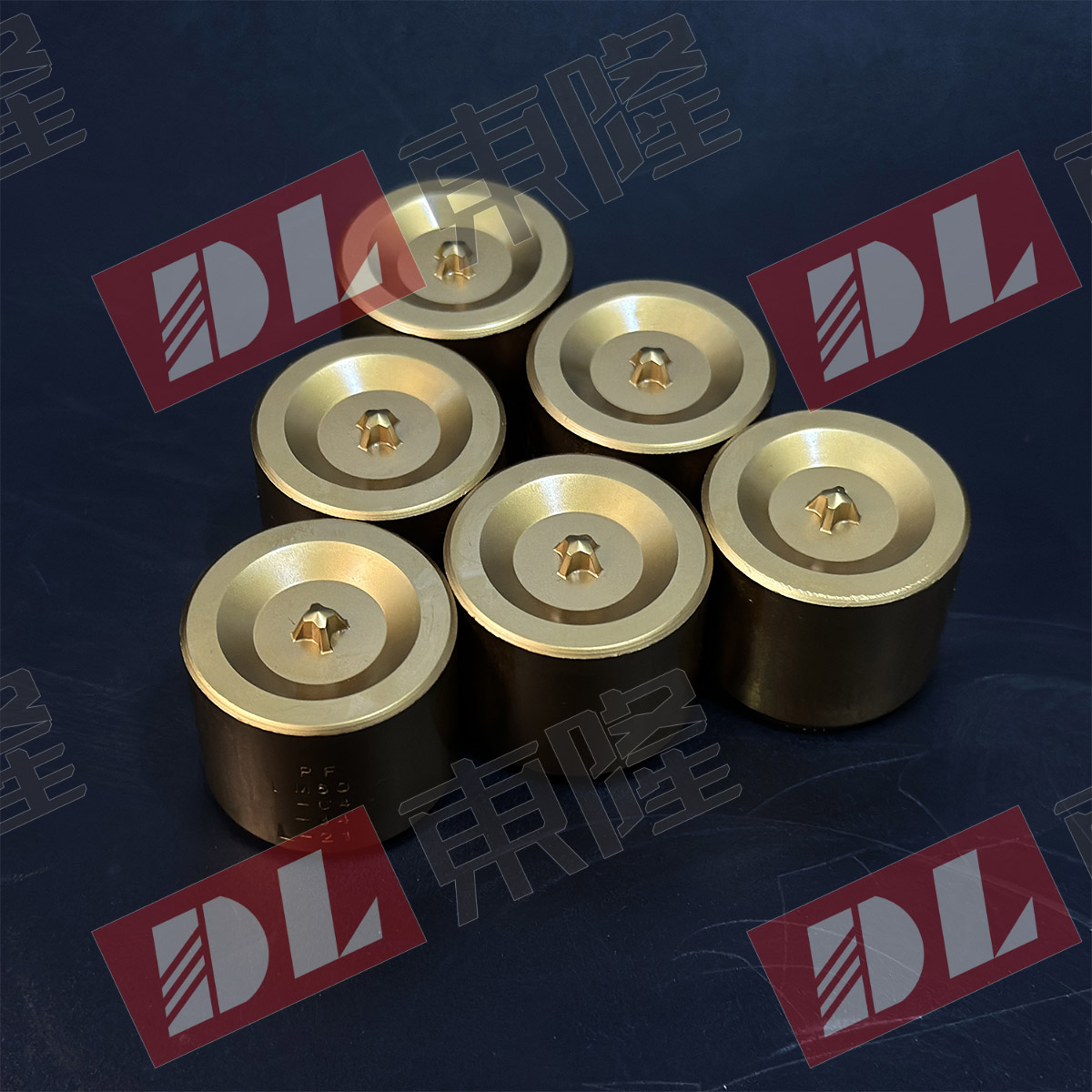
What Is the Meaning of Cold Heading?
Cold heading is a metal forming process where wire or rod material is shaped at room temperature using high pressure, without heating the material.
In this process, a Cold Heading Punch applies force to a metal blank inside a die cavity, forming the required shape in a very short time.
Key features of cold heading:
No heating required
High production speed
Minimal material waste
Excellent dimensional consistency
This makes it ideal for mass production of fasteners such as screws, bolts, and rivets.
What Is the Difference Between Hot Heading and Cold Heading?
Understanding What is the difference between hot heading and cold heading? is important for selecting the right manufacturing process.
Cold Heading:
Material is formed at room temperature
Uses high-pressure mechanical force
Better surface finish and accuracy
Higher production efficiency
Common in Fastener Manufacturing
Hot Heading:
Material is heated before forming
Easier to deform hard materials
Lower tooling stress
Slightly lower dimensional accuracy
Used for large or complex metal parts
In summary, cold heading is preferred for precision, high-volume production, especially in fastener industries.
What Are Cold Heading Punches?
Cold Heading Punches are precision tooling components used in Cold Heading Machines to apply force and shape metal blanks into final products.
A Cold Heading Punch Tool works together with a die cavity. While the die holds the material, the punch pushes and forms it into the required geometry.
Types of Cold Heading Punches
Different applications require different punch designs. Common types include:
1. Cold Heading Punch
A standard forming punch used in general fastener production.
2. Cold Forging Punch
A stronger version designed for high-load forging applications.
3. Screw Cold Heading Punch
Specially designed for producing screw heads with precise geometry.
4. Torx Cold Heading Punch
Used to form internal Torx drive shapes in screws for improved torque transmission.
5. Custom Cold Heading Punch
Designed based on specific fastener drawings, materials, and production requirements.
Applications of Cold Heading Punches
Cold heading punches are widely used in:
Screw and bolt manufacturing
Automotive fasteners
Aerospace precision components
Electrical and electronic hardware
Industrial machinery parts
They are a key part of cold forging tool systems in high-volume production environments.
Role of Cold Heading Punch Manufacturer and Supplier
A reliable Cold Heading Punch Manufacturer plays a critical role in ensuring tooling performance and production stability.
Professional Cold Heading Punch Supplier services typically include:
Precision CNC machining
Heat treatment for hardness and durability
Surface coating for wear resistance
Custom punch design support
High tolerance inspection
High-quality punches reduce downtime, improve product consistency, and extend tool life.
Why Cold Heading Punch Quality Matters
The performance of a Cold Forging Punch directly affects:
Product dimensional accuracy
Surface smoothness
Tool wear rate
Production efficiency
Scrap rate
Poor-quality punches can lead to cracking, deformation, and unstable production.
Cold Heading Punches are essential tools in modern fastener manufacturing. Whether used as a screw cold heading punch, torx cold heading punch, or custom forming tool, they ensure high precision and efficiency in cold forging processes.
Understanding cold heading meaning and the difference between hot heading and cold heading helps manufacturers choose the right process and tooling for their production needs.
With the support of a professional Cold Heading Punch Manufacturer, companies can achieve stable, high-quality, and cost-efficient fastener production.