




The global forging industry is entering a new stage of innovation in 2026.As manufacturers demand higher precision,longer tooling life,and greater production efficiency,the development of hot steel forging dies is rapidly evolving.From automotive components to aerospace parts,modern industries increasingly rely on advanced forging die manufacturing technologies to improve product quality and reduce production costs.
Today,manufacturers are no longer focused only on producing durable dies.They are also investing in smarter processes,better materials,and precision engineering solutions that can withstand extreme temperatures and high-pressure forming environments.
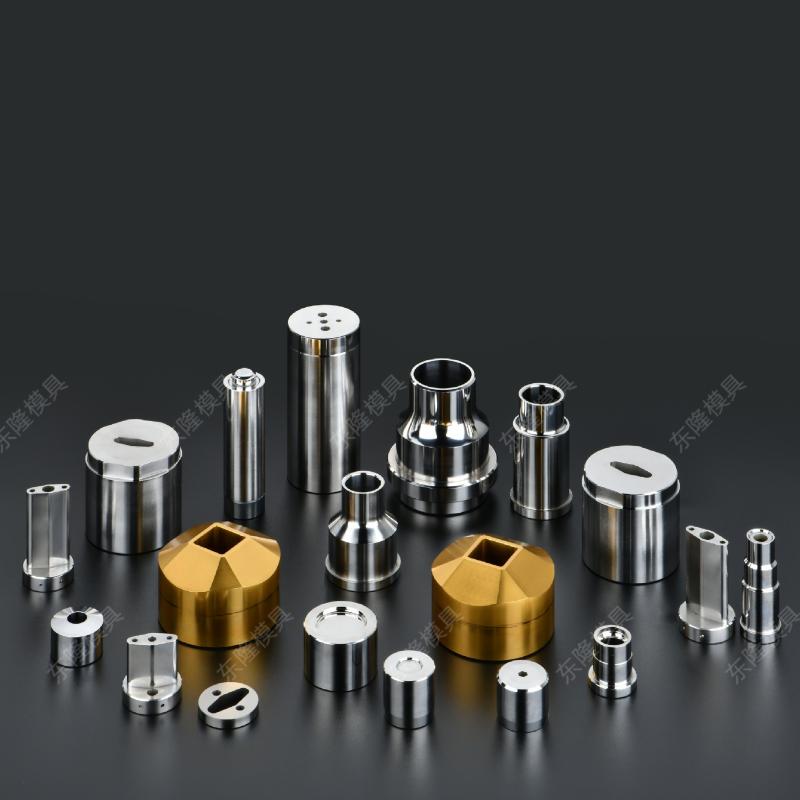
Growing Demand for Precision Hot Forging Dies
In recent years,the demand for precision forging dies has grown significantly,especially in industries that require complex metal components with tight tolerances.Automotive and heavy machinery manufacturers are among the biggest users of hot forging tooling,as forged parts provide excellent strength and durability.
Compared with traditional machining methods,hot forging improves material structure while reducing waste.However,this process places tremendous stress on the tooling itself,making the quality of the hot forging dies more important than ever.
To meet these challenges,modern manufacturers are adopting advanced CNC machining forging dies technologies and automated inspection systems to ensure higher dimensional accuracy and consistency.
Key Features of Modern Forging Dies
Today’s hot steel forging dies are designed for high performance under extreme operating conditions.Their main function is to shape heated metal into specific forms while maintaining precision throughout repeated production cycles.
Modern forging dies typically feature:
High-temperature resistance
Excellent wear resistance
Precision cavity design
Enhanced thermal stability
Longer service life
Compatibility with automated forging systems
Many manufacturers now use premium tool steel forging dies combined with advanced heat treatment technologies to improve hardness and reduce cracking risks.Surface coating technologies are also becoming increasingly common to minimize friction and extend die lifespan.
Smart Manufacturing Is Changing the Industry
One of the biggest trends in 2026 is the integration of Industry 4.0 technologies into forging die manufacturing.Smart monitoring systems,CAD/CAM software,and simulation tools allow engineers to optimize die structures before production even begins.
These innovations help manufacturers reduce downtime,improve forging precision,and lower maintenance costs.For large-scale production facilities,customized industrial forging tools also support faster production cycles and improved energy efficiency.
Application Areas
Modern hot forging dies are widely used in:
Automotive component manufacturing
Aerospace forging applications
Agricultural machinery production
Oil and gas equipment manufacturing
Railway and heavy equipment industries
Construction hardware production
As global industries continue upgrading their manufacturing capabilities,demand for reliable custom hot forging dies is expected to rise even further.
FAQ
What is a hot steel forging die?
A hot steel forging die is a specialized tool used to shape heated metal into specific forms under high pressure during the forging process.
Why are tool steel forging dies popular?
Tool steel offers excellent hardness,heat resistance,and wear resistance,making it ideal for demanding forging environments.
How does CNC machining improve forging die quality?
Advanced CNC machining improves dimensional accuracy,surface finish,and consistency in die production.
What industries use hot forging tooling?
Hot forging tooling is commonly used in automotive,aerospace,construction,mining,and heavy machinery industries.