




Hot Heading Dies are essential tools used in the metal forging industry to produce bolts, screws, fasteners, automotive components, and other precision parts. As a critical part of the hot forging process, Hot Heading Molds and dies are designed to withstand high temperatures, heavy impact loads, and continuous production cycles while maintaining dimensional accuracy.
As a professional Hot Heading Dies Manufacturer, understanding how these tools work can help manufacturers choose the right solutions for their production requirements.
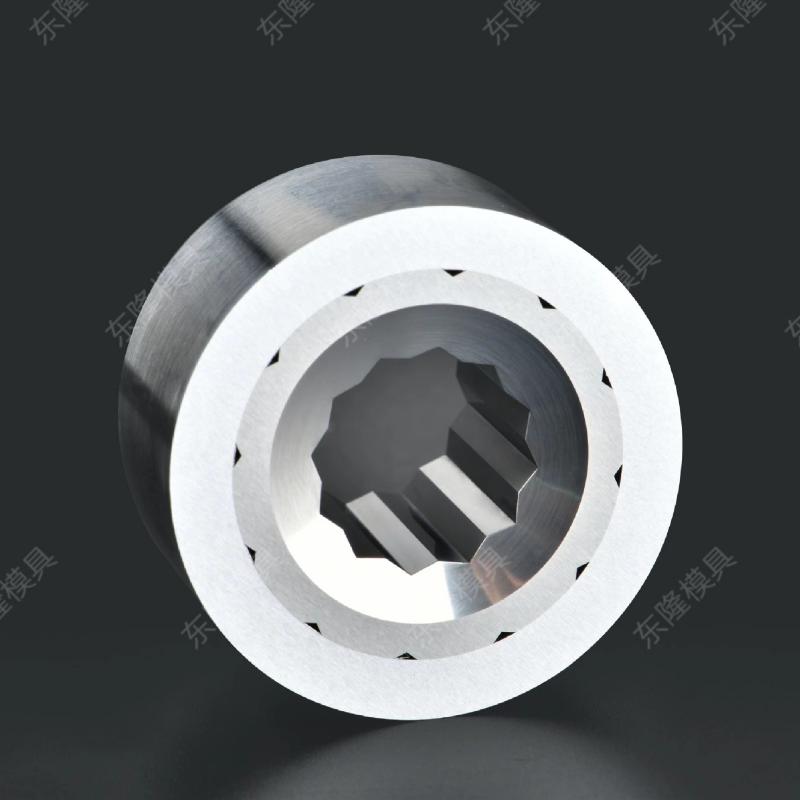
What Are Hot Heading Dies?
Hot heading dies are specialized forming tools used to shape heated metal into a desired geometry. During the hot heading process, metal wire, rod, or blanks are heated to a high temperature until they become more ductile and easier to deform.
The heated material is then placed into a Hot Heading Mould cavity, where powerful presses or forging machines apply pressure to form the final shape. This process is widely used for manufacturing large fasteners, special bolts, nuts, and high-strength components.
Many companies rely on an experienced Hot Heading Mould Supplier to provide customized tooling solutions that ensure consistent quality and long service life.
The Hot Heading Process Step by Step
1. Material Heating
The process begins by heating the metal stock to a specified forging temperature. Depending on the material type, temperatures can range from several hundred to over one thousand degrees Celsius.
Heating improves metal plasticity and reduces the force required during forming.
2. Material Positioning
The heated blank is transferred into the Hot Heading Molds. Precise positioning is critical to ensure uniform material flow and accurate part dimensions.
3. Forming Inside the Die
A forging press or heading machine applies high pressure, forcing the softened metal into the die cavity. The material fills every detail of the mold, creating the desired shape.
At this stage, the Hot Heading Mould experiences extreme mechanical stress and thermal cycling, making material selection crucial.
4. Cooling and Finishing
After forging, the finished component is removed from the die and allowed to cool. Secondary operations such as trimming, threading, machining, or heat treatment may be performed to achieve final specifications.
Materials Used in Hot Heading Dies
Since hot heading tools operate under severe conditions, they are commonly manufactured using premium hot-work tool steels and carbide materials.
H13 Tool Steel
H13 is one of the most widely used materials for hot heading applications due to its:
Excellent heat resistance
High toughness
Good wear resistance
Strong resistance to thermal fatigue cracking
Tungsten Carbide Inserts
For demanding production environments, many Hot Heading Dies Manufacturer companies incorporate Tungsten Carbide inserts into die designs.
Benefits include:
Superior wear resistance
Longer tooling life
Improved dimensional stability
Better performance when processing high-strength alloys
The carbide grades used in hot heading often contain higher cobalt content to enhance toughness and thermal shock resistance.
Advantages of Hot Heading Technology
Reduced Forming Force
Heating the metal significantly lowers its yield strength, making it easier to deform. This reduces machine load and allows the production of larger or more complex components.
Better Material Flow
Hot forging promotes smoother metal flow within the die cavity, helping eliminate internal defects and improving structural integrity.
Suitable for High-Strength Materials
Many alloy steels and specialty metals are difficult to process through Cold Heading. Hot heading provides an effective solution for shaping these materials without cracking.
Improved Production Efficiency
With the right tooling supplied by a reliable Hot Heading Dies Supplier, manufacturers can achieve high-volume production with consistent product quality.
Choosing the Right Hot Heading Mould Manufacturer
Selecting an experienced Hot Heading Mould Manufacturer is critical for maximizing productivity and reducing tooling costs.
When evaluating suppliers, consider:
Material expertise and die design capabilities
Precision machining technology
Heat treatment processes
Customization options
Quality control systems
Technical support and after-sales service
A trusted Hot Heading Mould Supplier can provide tooling solutions tailored to specific materials, machine types, and production requirements.
Applications of Hot Heading Dies
Hot heading dies are widely used in industries such as:
Automotive manufacturing
Construction fasteners
Heavy machinery
Aerospace components
Railway systems
Energy and power equipment
These industries often require large-diameter fasteners and high-strength parts that benefit from hot forging technology.
Understanding How Hot Heading Dies Work helps manufacturers optimize their forging operations and improve product quality. By heating metal before forming, hot heading reduces forming force, enhances material flow, and enables the production of complex, high-strength components.
Whether you are looking for a reliable Hot Heading Dies Supplier, a custom Hot Heading Mould Manufacturer, or high-performance Hot Heading Molds for demanding applications, choosing quality tooling materials and expert engineering support is essential for long-term production success.