




Steel dies are precision-engineered tools used to cut, shape, form, stamp, emboss, or punch metal and other materials during manufacturing processes. Widely used across automotive, electronics, aerospace, construction, and consumer goods industries, steel dies play a critical role in mass production by ensuring consistent dimensions, high efficiency, and excellent repeatability.
Whether producing simple components or complex industrial parts, manufacturers rely on various types of metal dies, including sheet Metal Stamping Dies, metal punch and die systems, and specialized forming dies to achieve precise results.
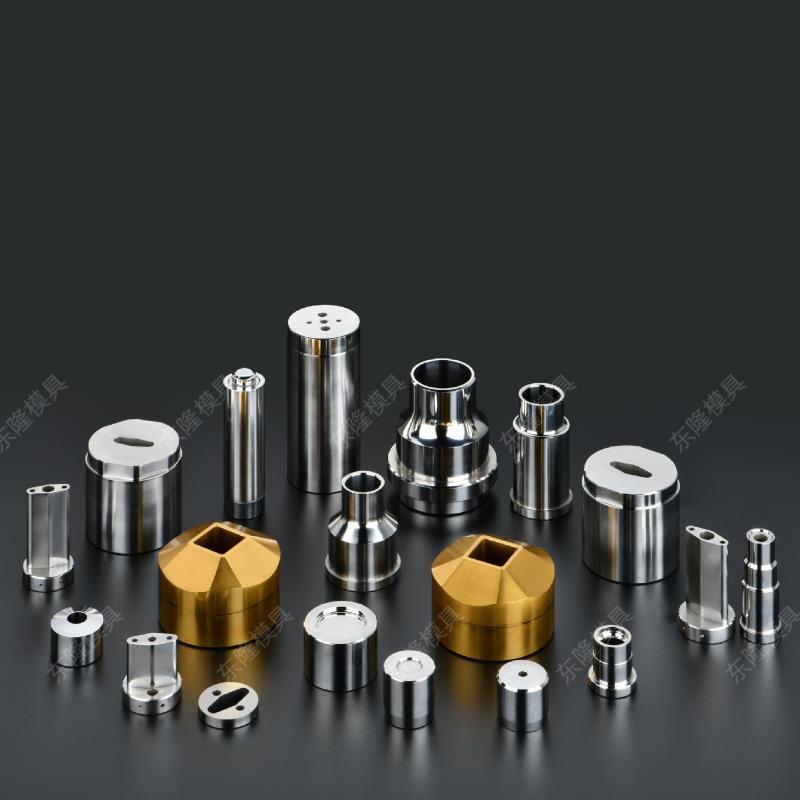
Understanding Steel Dies
A steel die is a hardened tool designed to work with presses, stamping machines, or cutting equipment. The die determines the final shape of a workpiece by applying controlled force to a material.
Most steel dies are manufactured from high-strength tool steels capable of withstanding repeated impact, pressure, and wear. These dies can be customized to meet specific production requirements, making custom steel dies a preferred solution for many industries.
A typical die system often includes:
Die block
Punch
Guide pins
Die holder
Stripper plate
Backing plate
Together, these components form a complete metal punch and die assembly that delivers accurate and repeatable manufacturing results.
How Steel Dies Work
The operation of a die depends on the manufacturing process involved.
In a standard sheet metal punch and die setup:
A sheet metal blank is placed between the punch and die.
The press applies force.
The punch enters the die opening.
Material is cut, pierced, bent, or formed into the desired shape.
The finished component is ejected for further processing.
The combination of steel Punch Dies and press equipment enables manufacturers to produce thousands or even millions of identical parts efficiently.
Common Types of Steel Dies
Sheet Metal Stamping Dies
Sheet metal stamping dies are among the most widely used tooling systems in manufacturing. They are designed to cut, bend, emboss, or form sheet metal into finished components.
Applications include:
Automotive body panels
Electrical enclosures
Appliance components
HVAC parts
Electronic housings
These dies help manufacturers achieve high-volume production with excellent dimensional consistency.
Progressive Dies
Progressive dies perform multiple operations within a single tool. As material advances through the die stations, different processes such as piercing, bending, and forming occur sequentially.
Benefits include:
High production speed
Reduced labor costs
Consistent part quality
Efficient material utilization
Compound Dies
Compound dies perform multiple cutting operations in a single press stroke. They are commonly used when high precision is required.
Forming Dies
Forming dies reshape material without removing it. Typical applications include bending, drawing, and embossing operations.
Die Cutting Steel Tools
In some industries, die cutting steel tools are used to cut specific shapes from metal sheets, gaskets, packaging materials, and industrial products with high precision.
What Is a Custom Metal Die?
A custom metal die is specifically designed and manufactured according to a customer's product requirements.
Unlike standard tooling, custom dies are engineered based on:
Part geometry
Material thickness
Production volume
Tolerance requirements
Surface finish specifications
Many manufacturers choose custom steel dies when producing unique components that cannot be made using off-the-shelf tooling.
Materials Used to Manufacture Steel Dies
The performance of a die largely depends on the material used in its construction.
Common die materials include:
Tool Steel
Tool steel offers:
Excellent hardness
Wear resistance
Impact strength
Long service life
High-Speed Steel
Used in applications requiring:
High cutting speeds
Heat resistance
Superior durability
Carbide Inserts
For extremely high-volume production, carbide inserts may be integrated into steel Punch Dies to extend tooling life.
Steel Die Press Applications
A steel die press is a machine that applies force to a die set to shape or cut materials.
Common types include:
Mechanical presses
Hydraulic presses
Servo presses
Pneumatic presses
Industries utilizing steel die press systems include:
Automotive manufacturing
Aerospace production
Electronics fabrication
Medical device manufacturing
Metalworking workshops
The combination of a high-quality die and an efficient steel die press significantly improves productivity and part accuracy.
Steel Dies for Crafting and Creative Applications
While industrial manufacturing represents the largest market, steel dies for crafting are also popular among hobbyists and creative professionals.
Crafting dies are commonly used for:
Scrapbooking
Card making
Decorative paper cutting
DIY projects
Embossing designs
Many crafters purchase specialized die sets to create intricate patterns and custom designs quickly and accurately.
How to Choose a Reliable Steel Die Maker
Selecting an experienced steel die maker is essential for achieving high-quality tooling and long-term production success.
Key factors to consider include:
Engineering Expertise
A qualified manufacturer should offer:
CAD design support
Tool simulation
DFM analysis
Prototyping services
Manufacturing Capabilities
Look for suppliers equipped with:
CNC machining centers
Wire EDM machines
Grinding equipment
Heat treatment facilities
Quality Control
Reliable die makers implement strict inspection procedures to ensure dimensional accuracy and tooling durability.
Industry Experience
Experienced suppliers understand industry-specific requirements and can recommend optimal tooling solutions.
Advantages of Custom Steel Dies
Investing in custom steel dies offers several benefits:
Improved Product Accuracy
Custom tooling ensures parts meet exact specifications.
Higher Production Efficiency
Well-designed dies reduce cycle times and improve throughput.
Longer Tool Life
Premium die materials increase durability and reduce maintenance costs.
Lower Production Costs
Although initial tooling costs may be higher, long-term savings are often substantial through increased efficiency and reduced waste.
Steel Punches and Dies in Modern Manufacturing
Modern manufacturing relies heavily on steel punches and dies for producing precision components. Advances in CNC machining, CAD design, and material science have significantly improved die performance and lifespan.
Today's steel punches and dies can achieve:
Tight tolerances
High-speed production
Reduced downtime
Superior repeatability
As industries continue demanding greater precision and productivity, the role of advanced die technology becomes increasingly important.
Steel dies are essential tools that enable efficient, accurate, and cost-effective manufacturing across numerous industries. From sheet metal stamping dies and metal punch and die assemblies to specialized custom metal die solutions, these tools help manufacturers produce high-quality components at scale.
Whether used in automotive production, industrial fabrication, or even steel dies for crafting, precision-engineered dies remain a cornerstone of modern manufacturing. Partnering with an experienced steel die maker and investing in high-quality custom steel dies can significantly improve production performance, product quality, and long-term profitability.