




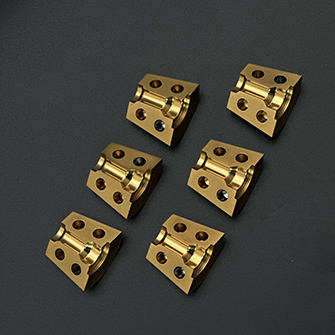
A Three-Piece Collapsible Mold is a specialized injection molding tool designed to manufacture plastic parts with internal undercuts, threaded features, grooves, or complex hollow geometries that cannot be easily released using conventional molds. Unlike standard core designs, a Collapsible Mold uses multiple segmented core components that retract inward during the ejection process, allowing the molded part to be removed without damage.
This advanced molding technology is widely used in the production of caps, closures, medical components, automotive parts, industrial fittings, and various precision plastic products requiring intricate internal features.
How Does a Three-Piece Collapsible Mold Work?
The core of a three-piece collapsible mold consists of three separate segments that form a complete molding surface during injection.
The molding cycle typically follows these steps:
1. Mold Closing
The three core segments expand outward and lock together to create the required internal shape of the product.
2. Plastic Injection
Molten plastic is injected into the mold cavity, filling the space around the expanded collapsible core.
3. Cooling and Solidification
The plastic cools and solidifies while maintaining the precise shape formed by the mold cavity and core.
4. Core Collapse
After the mold opens, the three core segments retract inward simultaneously. This collapsing action reduces the effective diameter of the core, releasing internal undercuts and allowing smooth product ejection.
5. Part Ejection
The molded component is removed without damaging internal threads, locking features, or undercut structures.
This mechanism eliminates the need for complex secondary operations or unscrewing systems in many applications.
Main Components of a Three-Piece Collapsible Mold
A typical collapsible core mold includes several critical components:
Three segmented core sections
Center support pin
Core housing
Guide mechanisms
Injection cavity
Ejector system
Cooling channels
Locking and return mechanisms
These components work together to ensure precise core movement and consistent product quality.
Advantages of Three-Piece Collapsible Molds
Efficient Production of Internal Undercuts
One of the biggest advantages of a three-piece collapsible mold is its ability to create internal undercuts that would be impossible or costly to produce with traditional molds.
Reduced Secondary Operations
Because the collapsible core releases complex geometries directly from the mold, manufacturers can eliminate additional machining or assembly steps.
Faster Production Cycles
Compared with unscrewing molds, collapsible molds often provide shorter cycle times, increasing overall manufacturing efficiency.
Improved Product Quality
The precision movement of the collapsible core helps maintain dimensional accuracy and reduces the risk of part deformation during ejection.
Lower Manufacturing Costs
Although initial tooling investment may be higher, long-term production costs are often reduced through improved efficiency and decreased labor requirements.
Applications of Three-Piece Collapsible Molds
Three-piece collapsible molds are commonly used in industries that require complex internal features.
Packaging Industry
Common products include:
Plastic bottle caps
Child-resistant closures
Cosmetic packaging
Beverage closures
Threaded containers
Medical Industry
Medical manufacturers use collapsible core molds to produce:
Syringe components
Medical connectors
Diagnostic device housings
Drug delivery systems
Automotive Industry
Applications include:
Fluid connectors
Hose fittings
Sensor housings
Fuel system components
Industrial Components
Industrial products often manufactured using collapsible molds include:
Pipe fittings
Threaded inserts
Valve components
Electrical connectors
Three-Piece Collapsible Mold vs. Traditional Mold
| Feature | Three-Piece Collapsible Mold | Traditional Mold |
|---|---|---|
| Internal Undercuts | Excellent | Limited |
| Threaded Features | Excellent | Often requires secondary operations |
| Cycle Time | Fast | Moderate |
| Product Complexity | High | Medium |
| Tooling Complexity | Higher | Lower |
| Production Efficiency | High | Standard |
For products with complex internal geometries, collapsible molds often provide significant production advantages.
Design Considerations for Three-Piece Collapsible Molds
Successful mold design requires careful engineering.
Important factors include:
Part Geometry
The internal undercut dimensions directly influence core segment design and movement.
Material Selection
Different plastic materials shrink at different rates, affecting mold performance and ejection behavior.
Common materials include:
PP (Polypropylene)
PE (Polyethylene)
ABS
Nylon (PA)
POM
PC
Core Strength
The segmented core must withstand repeated injection pressure without deformation.
Cooling Efficiency
Proper cooling channel design helps maintain cycle consistency and reduce production time.
Maintenance Accessibility
Designing for easy maintenance improves tool life and reduces downtime.
Manufacturing Process of a Three-Piece Collapsible Mold
The production of a high-quality collapsible mold involves several precision manufacturing steps:
Mold Design
Engineers create detailed CAD models and perform mold flow analysis.
CNC Machining
Core segments and cavity components are manufactured using precision CNC equipment.
Heat Treatment
Tool steel components undergo heat treatment to improve wear resistance and durability.
Grinding and EDM
Critical surfaces are finished using precision grinding and electrical discharge machining (EDM).
Assembly and Testing
The mold is assembled, tested, and validated before mass production begins.
Choosing a Reliable Three-Piece Collapsible Mold Manufacturer
When selecting a mold supplier, manufacturers should evaluate:
Engineering capabilities
Experience with collapsible core technology
CNC machining capacity
Mold flow analysis services
Quality control systems
Tool steel selection
After-sales technical support
A qualified mold manufacturer can help optimize part design, reduce production costs, and improve long-term tooling performance.
Future Trends in Collapsible Mold Technology
As product designs become increasingly complex, demand for advanced collapsible molding solutions continues to grow.
Emerging trends include:
High-precision collapsible core systems
Multi-cavity collapsible molds
Automated mold monitoring
Faster cycle-time optimization
Enhanced tool steel materials
Smart manufacturing integration
These developments are helping manufacturers improve productivity while maintaining strict quality standards.
A Three-Piece Collapsible Mold is an advanced injection molding solution designed for manufacturing plastic components with internal threads, undercuts, and complex hollow features. By using three segmented core sections that collapse inward during ejection, this technology enables efficient production of parts that would otherwise require costly secondary operations.
From packaging and medical devices to automotive and industrial applications, three-piece collapsible molds, collapsible core molds, and precision injection molding tools continue to play an essential role in modern manufacturing, offering superior efficiency, accuracy, and cost-effectiveness.