




In the fastener manufacturing industry, hot heading and Cold Heading are two essential metal forming processes widely used for producing screws, bolts, rivets, and other precision components. Understanding the differences between these two methods is important for selecting the right production process and tooling, especially when working with Hot Heading Dies, Hot Heading Molds, and precision forming systems from a reliable Hot Heading Mould Manufacturer or Hot Heading Dies Supplier.
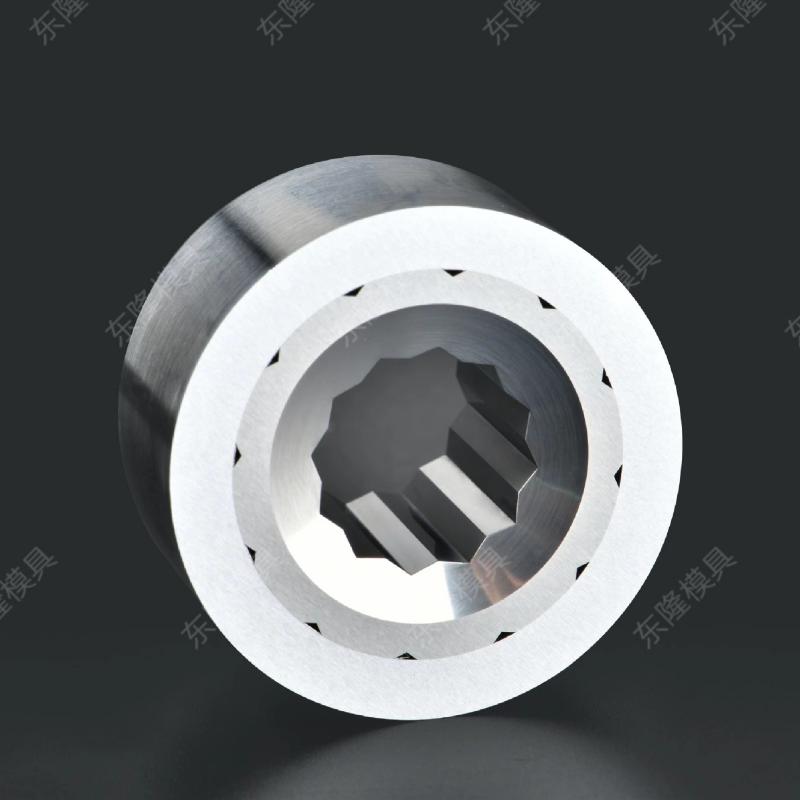
What Is Cold Heading?
Cold heading is a metal forming process performed at room temperature. Metal wire or rod is shaped into desired parts using high pressure without heating the material.
Key characteristics of cold heading:
Performed at room temperature
High-speed mass production process
Material is plastically deformed under pressure
No external heating required
Advantages of cold heading:
High production efficiency
Low material waste
Excellent surface finish
Improved mechanical strength due to work hardening
Lower production cost for large-scale manufacturing
Cold heading is commonly used for standard fasteners such as small screws, bolts, and rivets.
What Is Hot Heading?
Hot heading is a forming process where the metal is heated to a high temperature before being shaped. The increased temperature makes the material softer and easier to deform.
Key characteristics of hot heading:
Metal is heated before forming
Suitable for large or complex components
Lower forming resistance compared to cold heading
Often used for difficult-to-form materials
Advantages of hot heading:
Suitable for large-sized fasteners
Better formability for high-strength materials
Reduced forming force required
Can produce complex geometries
Hot heading is widely used in heavy-duty industries such as construction, automotive, and industrial machinery.
Key Differences Between Hot Heading and Cold Heading
| Feature | Cold Heading | Hot Heading |
|---|---|---|
| Temperature | Room temperature | High temperature |
| Material Condition | Harder, unheated metal | Softened by heating |
| Forming Force | High | Lower |
| Surface Finish | Excellent | Slightly rough |
| Production Speed | Faster | Slower |
| Suitable Size | Small to medium parts | Large or complex parts |
| Cost Efficiency | Lower cost | Higher cost |
Role of Hot Heading Dies in Manufacturing
In hot heading production, tooling plays a critical role in ensuring accuracy, durability, and efficiency. Hot Heading Dies are specially designed molds used to shape heated metal into precise forms under extreme pressure and temperature conditions.
Features of Hot Heading Dies:
High-temperature resistance
Excellent wear resistance
High hardness and toughness
Long service life under heavy load conditions
Hot Heading Molds and Their Applications
Hot Heading Molds (also called Hot Heading Mould) are essential tools in hot forming processes. They define the final shape of the product and ensure dimensional accuracy during mass production.
Applications of Hot Heading Molds:
Large bolts and screws
Automotive fasteners
Construction hardware
Heavy machinery components
Hot Heading Mould Manufacturer and Supplier Advantages
Choosing a reliable Hot Heading Mould Manufacturer or Hot Heading Mould Supplier is essential for stable production quality and long tool life.
Benefits of professional suppliers:
Precision CNC machining for mold accuracy
Advanced heat treatment for durability
Customized mold design based on customer drawings
Stable production performance
Long service life under high-temperature conditions
A professional Hot Heading Dies Manufacturer ensures that each die can withstand repeated high-impact forming cycles without deformation or cracking.
Hot Heading Dies Manufacturer and Supplier Solutions
As a professional Hot Heading Dies Manufacturer and Hot Heading Dies Supplier, we provide high-performance tooling solutions for global fastener production industries.
Our capabilities include:
Custom hot heading die design
High-speed steel and Carbide Die options
OEM & ODM production support
Strict quality inspection and testing
Stable supply for mass production requirements
Our Hot Heading Dies Supplier services ensure customers receive consistent quality, improved productivity, and reduced tooling costs.
When to Choose Cold Heading or Hot Heading?
Choose Cold Heading when:
Producing small or medium-sized fasteners
High-volume production is required
Surface finish quality is critical
Cost efficiency is a priority
Choose Hot Heading when:
Manufacturing large or heavy-duty components
Working with difficult-to-form materials
Complex shapes are required
High forming flexibility is needed
The key difference between hot heading and cold heading lies in temperature and material behavior during forming. Cold heading is ideal for high-speed, low-cost mass production of small parts, while hot heading is better suited for large, complex, or high-strength components.
In hot heading production, high-quality tooling such as Hot Heading Dies, Hot Heading Molds, and precision components from a trusted Hot Heading Mould Manufacturer or Hot Heading Dies Supplier plays a crucial role in ensuring stable performance and long-term efficiency.