




Hot forging is one of the most important metal forming process methods in modern manufacturing, widely used in fastener manufacturing, automotive parts, and heavy machinery components. Understanding the materials used in hot forging is essential for selecting the right production process, especially when comparing hot heading process and Cold Heading process, and when choosing high-quality tooling such as Hot Heading Dies and Hot Heading Molds from a reliable Hot Heading Mould Manufacturer or Hot Heading Dies Supplier.
What is Hot Forging in Metal Forming Process?
Hot forging is a metal forming process where metal is heated above its recrystallization temperature and then shaped under high pressure. At this temperature, the material becomes more ductile, allowing complex and large parts to be formed with less resistance.
This process is widely used in fastener manufacturing, including bolts, screws, nuts, and high-strength industrial components.
Common Materials Used in Hot Forging
In the hot heading process, material selection plays a critical role in determining product strength, durability, and cost efficiency. The most commonly used materials include:
1. Carbon Steel
Carbon steel is the most widely used material in hot forging and fastener manufacturing.
Features:
Excellent formability at high temperature
Cost-effective for mass production
Wide strength range after heat treatment
Applications:
Bolts and screws
Automotive fasteners
Structural components
Carbon steel is highly compatible with Hot Heading Dies due to its stable deformation behavior during forging.
2. Alloy Steel
Alloy steel contains elements such as chromium, nickel, and molybdenum, which significantly improve mechanical properties.
Features:
High strength and toughness
Excellent wear resistance
Suitable for heavy-duty applications
Applications:
High-strength fasteners
Industrial machinery parts
Automotive engine components
Alloy steel is commonly processed using precision tooling such as Hot Heading Molds for consistent forming accuracy.
3. Stainless Steel
Stainless steel is widely used in environments requiring corrosion resistance.
Features:
Excellent corrosion resistance
Good mechanical strength
Stable performance in harsh environments
Applications:
Marine fasteners
Medical components
Food processing equipment parts
Due to its higher forming resistance, stainless steel requires durable tooling such as Hot Heading Moulds designed for long-term high-temperature operation.
4. Aluminum Alloys
Aluminum alloys are commonly used for lightweight structural components.
Features:
Lightweight material
Good corrosion resistance
Easy to form at high temperature
Applications:
Automotive lightweight parts
Aerospace components
Electronic housings
Aluminum forging often uses precision Hot Heading Dies Manufacturer solutions to maintain dimensional accuracy.
5. Titanium Alloys
Titanium alloys are high-performance materials used in advanced industries.
Features:
Extremely high strength-to-weight ratio
Excellent corrosion resistance
High temperature stability
Applications:
Aerospace fasteners
Medical implants
High-end industrial components
Because of their difficulty in forming, titanium requires advanced tooling from a professional Hot Heading Dies Supplier.
6. Copper Alloys
Copper and its alloys are used where electrical and thermal conductivity is required.
Features:
Excellent conductivity
Good corrosion resistance
High ductility
Applications:
Electrical connectors
Electronic components
Conductive industrial parts
Hot Heading vs Cold Heading: Material Behavior Differences
Understanding hot heading vs cold heading is essential when selecting materials.
| Feature | Hot Heading Process | Cold Heading Process |
|---|---|---|
| Temperature | High temperature | Room temperature |
| Material flexibility | High | Limited |
| Suitable materials | Hard-to-form metals | Easily deformable metals |
| Tooling requirement | Hot Heading Dies / Molds | Cold Heading Dies |
| Part complexity | High | Medium |
Hot forging is preferred for materials that are difficult to form at room temperature.
Role of Hot Heading Dies and Molds in Material Processing
In the hot heading process, tooling plays a decisive role in production efficiency and product quality.
Hot Heading Dies
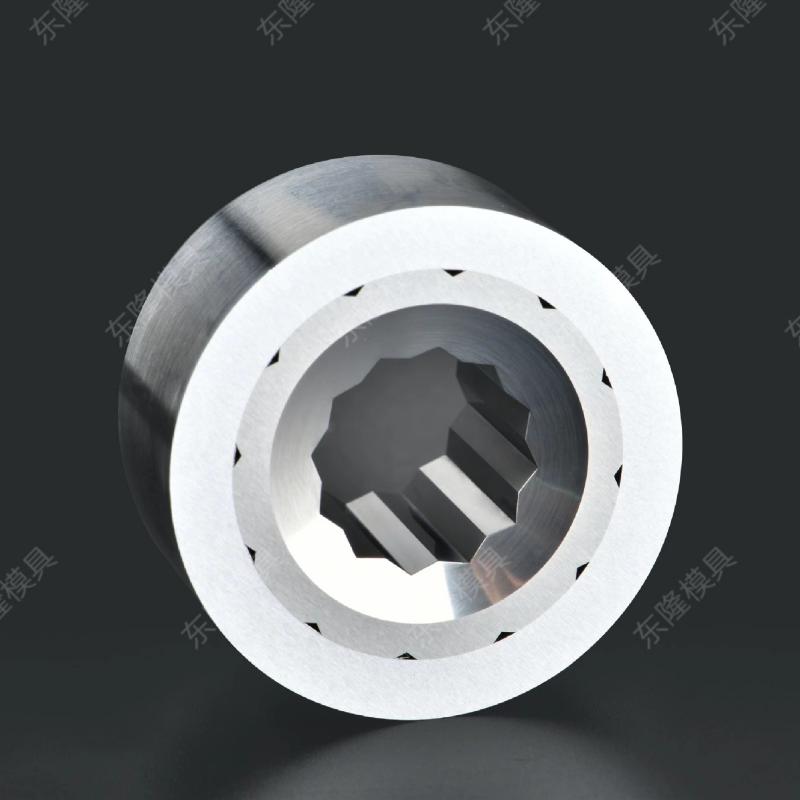
Hot Heading Dies are precision tools used to shape heated metal under high pressure.
Key advantages:
High-temperature resistance
Excellent wear resistance
Long service life
Stable forming accuracy
Hot Heading Molds / Hot Heading Mould
Hot Heading Molds (or Hot Heading Mould) define the final shape of forged parts.
Benefits:
High dimensional precision
Stable mass production capability
Suitable for complex geometries
Reduced production defects
Hot Heading Mould Manufacturer & Supplier
A reliable Hot Heading Mould Manufacturer and Hot Heading Mould Supplier ensures:
Precision CNC machining
Advanced heat treatment processes
Custom mold design capability
Stable long-term production performance
Similarly, a professional Hot Heading Dies Manufacturer and Hot Heading Dies Supplier provides durable tooling solutions for high-volume fastener manufacturing industries.
Applications in Fastener Manufacturing
Hot forging materials are widely used in:
Automotive bolts and screws
Construction fasteners
Aerospace components
Heavy machinery parts
Industrial assembly systems
The combination of suitable materials and high-quality Hot Heading Dies ensures consistent product performance and production efficiency.
The materials commonly used in hot forging include carbon steel, alloy steel, stainless steel, aluminum alloys, titanium alloys, and copper alloys. Each material is selected based on performance requirements, cost, and application environment.
In modern fastener manufacturing, the success of the hot heading process depends not only on material selection but also on high-quality tooling such as Hot Heading Dies, Hot Heading Molds, and support from a reliable Hot Heading Dies Supplier or Hot Heading Mould Manufacturer.
Understanding the difference between hot heading vs cold heading helps manufacturers choose the most efficient and cost-effective production method for different industrial applications.