




Hot die forging is an advanced metal forming process that uses high temperature and pressure to shape metal materials into strong and durable components. By heating metal billets above their recrystallization temperature and forcing them into specially designed forging dies, manufacturers can produce parts with excellent mechanical strength, high impact resistance, and superior fatigue performance.
As one of the most widely used forging methods, hot die forging plays an important role in industries such as automotive, aerospace, energy, construction machinery, and heavy equipment manufacturing. Compared with traditional machining processes, hot forging provides better material utilization, improved structural integrity, and longer service life for finished components.
This article explains what is hot die forging, how the hot die forging process works, its advantages, applications, and how to choose a reliable hot forging die manufacturer.
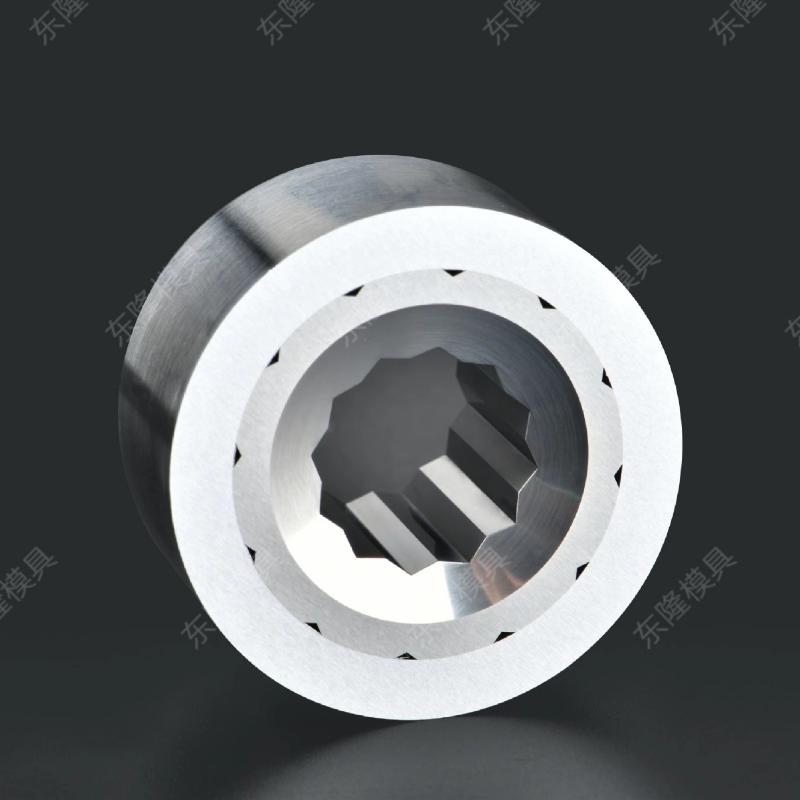
What Is Hot Die Forging?
Hot die forging is a manufacturing process where heated metal is placed into a pre-designed die cavity and shaped under high pressure using forging equipment.
During the process, the metal material is heated to a high temperature, usually above its recrystallization temperature, which improves its plasticity and makes it easier to deform without cracking.
The heated billet is then pressed between two forging dies, allowing the material to flow and fill the die cavity to create the required shape.
The main purpose of hot die forging is to manufacture high-strength metal components with:
Excellent mechanical properties
High structural strength
Improved fatigue resistance
Reduced material waste
Reliable dimensional performance
How Does Hot Die Forging Work?
The hot die forging process involves several important manufacturing steps, from material preparation to final inspection.
1. Material Selection and Preparation
The first step in hot forging is selecting suitable metal materials based on the application requirements.
Common materials used for hot die forging include:
Carbon steel
Alloy steel
Stainless steel
Aluminum alloys
Titanium alloys
Nickel-based alloys
Different materials provide different characteristics, such as strength, corrosion resistance, weight reduction, and high-temperature performance.
After material selection, metal billets are cut into suitable sizes and prepared for heating.
2. Heating the Metal Billet
Before forging, the metal billet is heated in a furnace to reach the appropriate forging temperature.
Heating above the recrystallization temperature allows the metal to become:
More flexible
Easier to deform
Less likely to crack during forming
The correct heating temperature is critical because overheating may damage material properties, while insufficient heating can reduce formability.
3. Preparing the Forging Dies
Forging dies are specially designed tools used to shape heated metal during the forging process.
A typical hot forging die is manufactured from high-performance tool steels that can withstand:
High temperatures
Repeated impact loads
Severe wear conditions
Professional hot forging die manufacturers use advanced machining technologies to produce precise die cavities according to customer requirements.
Common processes for manufacturing forging dies include:
CNC machining
EDM machining
Heat treatment
Surface finishing
4. Metal Forming Process
After heating, the billet is placed into the forging die cavity.
Powerful forging equipment applies pressure through:
Hydraulic forging presses
Mechanical presses
Forging hammers
The applied force causes the metal to flow and fill the cavity, forming the desired component shape.
Depending on the product design, hot die forging can include:
Impression die forging
Precision forging
Among them, closed die forging is commonly used for producing complex parts with higher dimensional accuracy.
5. Cooling and Post-Forging Treatment
After forging, the formed parts undergo cooling and additional processing.
Common post-forging treatments include:
Trimming
Removing excess metal or flash from the forged component.
Heat Treatment
Improving:
Hardness
Strength
Toughness
Wear resistance
Machining
Additional machining may be required to achieve precise dimensions and surface requirements.
Surface Treatment
Coatings or surface treatments can improve corrosion resistance and service life.
Advantages of Hot Die Forging
1. High Mechanical Strength
One of the biggest advantages of hot die forging is improved mechanical performance.
The forging process refines the internal grain structure of metal, resulting in:
Higher tensile strength
Better impact resistance
Improved fatigue performance
This makes forged components suitable for demanding applications.
2. Excellent Material Utilization
Compared with machining from solid blocks, hot forging reduces material waste because the metal is shaped through controlled deformation.
Benefits include:
Lower material consumption
Reduced production costs
Improved manufacturing efficiency
3. Ability to Produce Complex Components
With advanced forging die manufacturing, manufacturers can create components with complex geometries and high strength requirements.
Hot die forging is suitable for producing:
Automotive parts
Aircraft components
Industrial equipment parts
Heavy machinery components
4. Longer Service Life
Forged components usually have better durability compared with cast or machined parts.
The optimized grain flow improves resistance against:
Stress
Impact
Fatigue
Wear
Hot Die Forging Applications
Automotive Industry
The automotive industry is one of the largest users of hot die forging.
Common forged components include:
Crankshafts
Connecting rods
Transmission parts
Steering components
Suspension parts
These parts require high strength and reliability for long-term operation.
Aerospace Industry
Aerospace applications require lightweight but strong components.
Precision forging dies are used to manufacture:
Aircraft structural parts
Landing gear components
Engine components
Turbine parts
Materials such as titanium alloys and nickel alloys are often processed through hot forging.
Energy Industry
Hot forged components are widely used in energy equipment, including:
Valves
Pressure vessel parts
Turbine components
Power generation equipment
The high strength of forged parts makes them suitable for extreme operating conditions.
Construction and Heavy Equipment
Construction machinery requires components that can withstand heavy loads and repeated impacts.
Hot die forging is commonly used for:
Hydraulic components
Gear parts
Heavy machine parts
Connecting components
Hot Die Forging vs Cold Forging
Although both processes use dies to shape metal, there are significant differences between hot forging and cold forging.
| Feature | Hot Die Forging | Cold Forging |
|---|---|---|
| Processing Temperature | High temperature | Room temperature |
| Material Formability | Excellent | Limited |
| Part Complexity | Suitable for complex shapes | Suitable for simpler parts |
| Dimensional Accuracy | Moderate | Higher |
| Production Applications | Large and high-strength parts | Small precision components |
Hot die forging is preferred when manufacturers need strong and complex components, while cold forging is better for high-volume precision parts.
How to Choose a Hot Forging Die Manufacturer?
Selecting the right hot forging die manufacturer is essential for ensuring product quality and production efficiency.
Consider the following factors:
Manufacturing Capability
A reliable supplier should have advanced equipment for:
Die design
CNC machining
Heat treatment
Precision inspection
Material Expertise
Experienced manufacturers understand different die steel materials and can recommend suitable solutions based on working temperature, pressure, and production requirements.
Custom Forging Die Solutions
Many industries require custom forging dies with specific designs, dimensions, and performance requirements.
A professional manufacturer should provide:
Custom die design
Prototype development
Precision machining
Production support
Quality Control
Strict quality inspection ensures forging dies meet performance requirements.
Inspection may include:
Dimensional testing
Hardness testing
Surface inspection
Material analysis
FAQ About Hot Die Forging
What is the difference between hot forging and hot die forging?
Hot forging refers to the general process of shaping heated metal, while hot die forging specifically uses customized dies to form metal into precise shapes.
What materials can be used for hot die forging?
Common materials include carbon steel, alloy steel, stainless steel, aluminum alloys, titanium alloys, and nickel-based alloys.
Why are forging dies important in hot die forging?
Forging dies determine the final shape, accuracy, and quality of forged components. High-quality hot forging dies improve production efficiency and product consistency.
Is hot die forging better than casting?
For many high-strength applications, hot die forging provides better mechanical properties, improved grain structure, and higher durability compared with casting.
How long do hot forging dies last?
The service life of hot forging dies depends on die material, forging temperature, production volume, maintenance, and operating conditions.