




Open Die Forging is a widely used Metal Forging Process for manufacturing large and high-strength metal components. A common question in the forging industry is “What temperature is open die forging?”
Generally, open die Forging is performed at temperatures above the material’s recrystallization temperature. Heating the metal before forging improves its plasticity, reduces deformation resistance, and helps achieve better mechanical properties.
The exact forging temperature depends on the material type. For example, steel is commonly forged at approximately 950°C to 1250°C, aluminum alloys are typically forged between 350°C and 500°C, while titanium alloys may require 750°C to 1100°C.
Selecting the correct forging temperature is essential for improving product quality, reducing internal defects, and ensuring the performance of forged components.
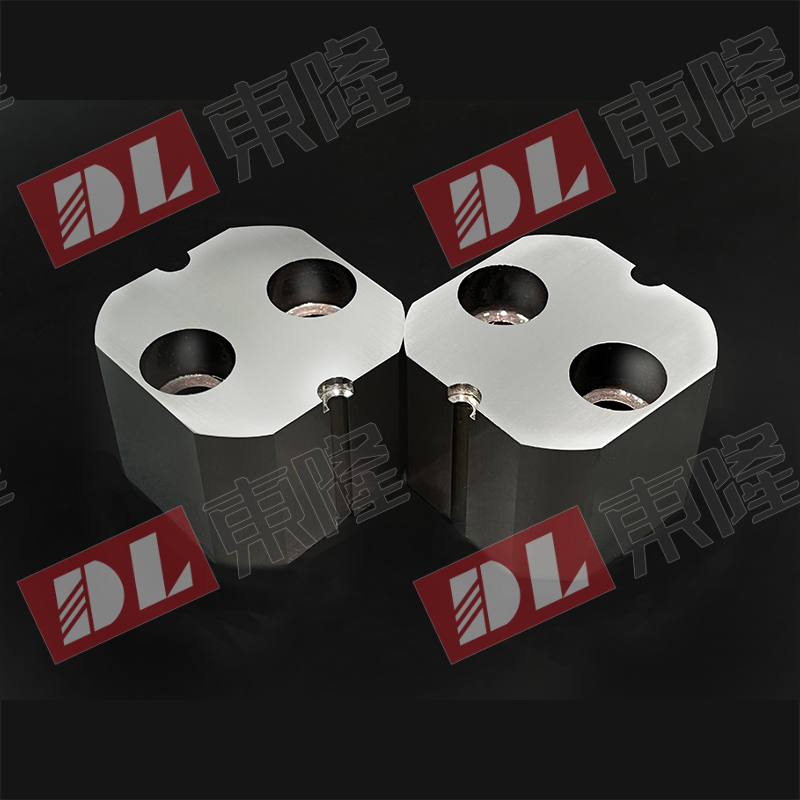
What Is Open Die Forging?
Open Die Forging is a manufacturing process where a heated metal billet is compressed between two dies that do not completely enclose the material. The metal can flow freely in different directions during deformation, allowing manufacturers to produce large and strong forged parts.
The dies used in this process are called Open Die. Unlike a Closed Die, an open die does not contain a fully shaped cavity, making it suitable for producing large components with simple or customized geometries.
Open die forging is usually performed with hydraulic presses, forging hammers, anvils, and other Industrial Forging Tools.
Common applications include:
Large shafts
Turbine components
Pressure vessel parts
Aerospace components
Heavy machinery parts
Large rings and discs
Due to its excellent strength and reliability, open die forging is widely used in aerospace, energy, shipbuilding, automotive, and industrial manufacturing.
What Temperature Is Open Die Forging?
The temperature used in the Open Die Forging Process depends on several factors, including the material composition, part size, forging equipment, and required mechanical properties.
Most open die forging operations are classified as hot forging because the material is heated above its recrystallization temperature before deformation.
Common forging temperature ranges for different materials include:
| Material | Open Die Forging Temperature |
|---|---|
| Carbon Steel | 950°C–1250°C |
| Alloy Steel | 1000°C–1200°C |
| Stainless Steel | 950°C–1150°C |
| Aluminum Alloy | 350°C–500°C |
| Titanium Alloy | 750°C–1100°C |
| Copper Alloy | 600°C–900°C |
For steel materials, the typical Open Die Forging temperature is around 1000°C to 1200°C. This temperature range allows steel to achieve good deformation performance while maintaining excellent strength.
For aluminum alloys, the forging temperature is usually lower because aluminum has a lower melting point and better room-temperature ductility.
Titanium alloys require higher forging temperatures because of their high strength and resistance to deformation.
Why Does Open Die Forging Require High Temperature?
Reduce Metal Deformation Resistance
Heating metal before forging reduces its hardness and improves plasticity. This allows the forging press to shape the material with less force and improves production efficiency.
Improve Material Ductility
High temperatures increase the ability of metals to deform without cracking. This is especially important for difficult-to-form materials such as titanium alloys and high-strength steels.
Refine Metal Grain Structure
During the Open Die Forging Process, controlled heating and deformation help refine the internal grain structure of the metal.
A refined grain structure can improve:
Tensile strength
Fatigue resistance
Impact toughness
Service life
Reduce Internal Defects
Proper forging temperatures help minimize manufacturing defects, including:
Internal cracks
Porosity
Material segregation
Uneven microstructure
How Does the Open Die Forging Process Work?
The Open Die Forging Process includes several important manufacturing stages.
Material Heating
The metal billet is heated in a furnace until it reaches the required forging temperature. Proper temperature control prevents overheating, oxidation, and unwanted changes in material properties.
Placing Material on the Open Die
After heating, the billet is positioned between the Open Die Forging Mold or forging tools.
Because the open die does not fully surround the material, the metal can expand and flow during the forging operation.
Applying Pressure and Deformation
A hydraulic press or forging hammer applies repeated pressure to reshape the heated metal.
This process is also known as open die press forging, which is commonly used for producing large industrial components.
Cooling and Inspection
After forging, the component is cooled under controlled conditions and inspected for:
Dimensional accuracy
Surface quality
Mechanical properties
Internal structure
Open Die Forging vs Closed Die Forging
Open Die Forging and Closed Die Forging are two important types of Die Forging technologies. The main difference is how the dies control metal flow.
Open Die Forging
Open die forging uses simple dies that allow metal to flow freely.
Advantages include:
Suitable for very large components
Lower tooling costs
Excellent mechanical strength
Flexible production capabilities
Closed Die Forging
The Closed Die Forging Process uses a specially designed Closed Die with a cavity that controls the shape of the final product.
Advantages include:
Higher dimensional accuracy
Better surface finish
Suitable for complex shapes
Ideal for mass production
Difference Between Open and Closed Die Forging
The choice between Open and Closed Die Forging depends on product size, design complexity, production quantity, and performance requirements.
Open die forging is preferred for large components, while closed die forging is commonly used for smaller precision parts.
Factors Affecting Open Die Forging Temperature
Material Type
Different metals have different melting points and recrystallization temperatures. Therefore, each material requires a specific forging temperature range.
Component Size
Large forgings require precise temperature control because the temperature inside the material may differ from the surface temperature.
Forging Equipment
The capacity of forging presses, hammers, and other Industrial Forging Tools affects the required forging conditions.
Final Product Requirements
Industries such as aerospace, energy, and heavy machinery require strict control of forging temperatures to achieve specific mechanical properties.
Applications of Open Die Forging
With continuous development in Forging Technology, open die forging has become an essential manufacturing method for producing high-performance metal components.
Typical applications include:
Aerospace structural parts
Oil and gas equipment
Power generation components
Shipbuilding parts
Automotive components
Heavy industrial machinery
Common forged products include:
Forged shafts
Large gears
Turbine rotors
Pressure vessel components
Connecting parts
The combination of proper forging temperature, advanced equipment, and optimized Forging Mold design helps manufacturers produce reliable and durable components.
FAQ About Open Die Forging Temperature
What temperature is steel open die forging?
Steel open die forging is usually performed at temperatures between 950°C and 1250°C, depending on the steel grade and application requirements.
Is open die forging a hot forging process?
Yes. Most Open Die Forging operations use hot forging because heating improves metal flow and reduces deformation resistance.
What is the difference between Open Die Forging and Closed Die Forging?
Open die forging allows metal to flow freely between simple dies, while closed die forging uses enclosed cavities to produce more accurate and complex shapes.
What materials can be used for open die forging?
Common materials include carbon steel, alloy steel, stainless steel, aluminum alloys, titanium alloys, and copper alloys.
Why is temperature control important in open die forging?
Proper temperature control improves material flow, reduces defects, refines grain structure, and ensures the final forged part meets strength and durability requirements.