




Heading screws are screws manufactured by forming the screw head from metal wire or blanks through a heading process. Unlike machining methods that remove material to create the head shape, screw heading uses controlled forming force to reshape the material into the required head configuration.
The production of heading screws commonly involves cold heading or cold forming technology. During this process, specialized tooling such as a Screw Heading Mould, Cold Heading Mould, or Heading Screw Mold is used to form the screw head accurately and consistently.
For manufacturers producing large quantities of fasteners, properly designed Heading Screw Molds and Cold Heading Screw Molds are essential for achieving stable production efficiency, dimensional consistency, and repeatable screw head geometry.
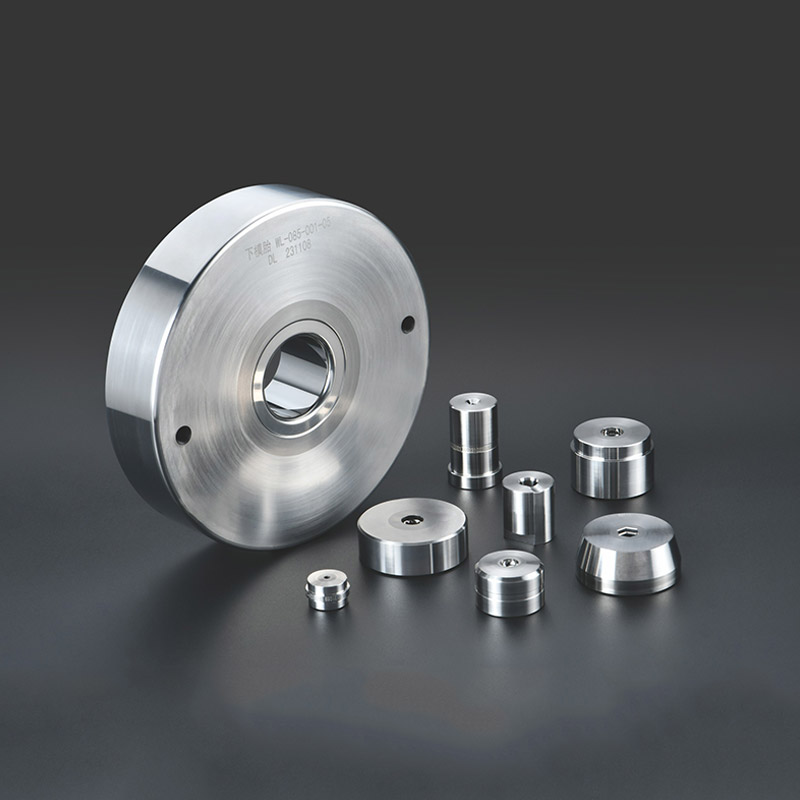
What Is a Heading Screw?
A Heading Screw is a screw produced using a heading or cold forming process, particularly for forming the head portion of the fastener. The screw head can be shaped into different configurations depending on the application and fastener design.
During production, metal wire is cut into suitable blanks and transferred into a forming station. A punch and die apply controlled pressure to reshape the blank into the required head profile. This process can create features such as countersunk heads, pan heads, round heads, flat heads, and other customized designs.
Because the material is formed rather than extensively machined away, heading is widely used for high-volume screw and fastener production.
How Are Heading Screws Made?
The manufacturing process of heading screws generally involves several stages, from wire preparation to final inspection.
1. Wire Preparation
Suitable metal wire is prepared according to the required screw material, diameter, and mechanical properties. The wire may be processed and cut into precise blanks before heading.
2. Blank Cutting
The wire is cut into predetermined lengths. Accurate blank dimensions are important because the amount of material directly affects the final screw head geometry.
3. Cold Heading
The prepared blank is positioned inside a forming die. A punch applies high pressure to deform the material and create the screw head.
This process is known as cold heading or cold forming. It allows manufacturers to produce large quantities of screws with consistent dimensions and repeatable head shapes.
4. Screw Forming
Depending on the screw design, additional forming operations may be performed to create specific head features, shanks, recesses, or other geometries. Specialized Screw Forming Mold systems can be designed for different screw configurations.
5. Thread Formation
After the head and shank have been formed, threads can be produced using an appropriate thread-forming process. The exact process depends on the screw design and production requirements.
6. Inspection and Finishing
Finished screws can be inspected for dimensions, head geometry, thread quality, surface condition, and other required characteristics before packaging or further surface treatment.
What Is a Screw Heading Mould?
A Screw Heading Mould is a specialized forming tool used to shape the head of a screw during the heading process. It works together with a punch or other forming components to apply controlled pressure to the screw blank.
The mould must be manufactured with suitable dimensional accuracy and material properties because it is repeatedly exposed to high forming pressure and mechanical stress.
A properly engineered Heading Screw Mold helps maintain consistent screw head dimensions and can contribute to stable production performance.
Cold Heading Mould for Screw Manufacturing
A Cold Heading Mould is designed for cold forming applications in which metal blanks are shaped without conventional hot heating. In screw production, cold heading moulds are used to form the head and other features of fasteners.
Compared with machining, cold forming can reduce material waste because the material is displaced and reshaped instead of being removed to create the desired geometry.
For high-volume fastener production, a suitable Cold Heading Screw Mold can support fast and repeatable manufacturing.
Types of Heading Screw Molds
Different screw designs require different tooling structures and forming geometries. Common tooling solutions include:
Heading Screw Mold
A Heading Screw Mold is designed specifically for forming screw heads. The cavity and forming geometry are customized according to the required head shape and dimensions.
Screw Heading Die
A Screw Heading Die provides the forming cavity used to reshape the screw blank. It is an important component in cold heading and screw manufacturing equipment.
Cold Heading Screw Mold
A Cold Heading Screw Mold is engineered for cold forming operations and is commonly used in high-volume screw and fastener manufacturing.
Cold Forging Screw Die
A Cold Forging Screw Die is used to form screw components through cold forging. The die must withstand repeated impact and forming loads while maintaining the required cavity dimensions.
Cold Mold Materials for Screw Heading
The material selected for a Cold Mold has a significant influence on tool life, wear resistance, dimensional stability, and production performance.
Tungsten Carbide Screw Mold
A Tungsten Carbide Screw Mold offers excellent hardness and wear resistance. Tungsten Carbide can be considered for demanding forming applications where the tooling is exposed to significant wear.
Its high hardness can help maintain forming cavity geometry during repeated production cycles, although the appropriate carbide grade and tool design should be selected according to the specific application.
High-Speed Steel Screw Die
A High-Speed Steel Screw Die is another common tooling solution for screw forming applications. High-speed steel offers a useful combination of hardness, toughness, wear resistance, and machinability.
The selection between tungsten carbide and high-speed steel depends on factors such as screw material, forming pressure, production volume, tooling design, and required tool life.
Advantages of Screw Heading Molds
High Production Efficiency
Heading technology is well suited to mass production. Once the tooling is properly installed and adjusted, large quantities of screws can be formed efficiently.
Consistent Screw Head Geometry
Precision tooling helps maintain consistent head dimensions and shapes across production batches.
Reduced Material Waste
Cold forming primarily reshapes the material instead of removing large amounts of material. This can improve material utilization compared with machining-intensive manufacturing processes.
Repeatable Production
A well-designed Heading Screw Mold provides repeatable forming results, which is particularly important for manufacturers producing standardized fasteners in large quantities.
How to Choose a Heading Screw Mold Supplier?
Choosing the right Heading Screw Mold Supplier is important for manufacturers that require reliable screw forming tooling. The quality of the mould directly affects production stability, screw dimensions, tool life, and overall manufacturing efficiency.
When selecting a Cold Heading Mold Manufacturer, consider the following factors:
Experience in screw and fastener tooling
Cold heading and cold forging expertise
Precision mould manufacturing capabilities
Available tungsten carbide and high-speed steel tooling
Tooling material selection
Dimensional inspection capabilities
Customized mould design
Production consistency
Technical support
An experienced Cold Heading Mold Manufacturer can evaluate the screw design and recommend suitable mould materials, forming structures, and manufacturing methods according to the application.
Applications of Heading Screw Molds
Heading Screw Molds are widely used in the production of different types of screws and fasteners for industrial applications.
Automotive fasteners
Construction screws
Industrial screws
Electronic fasteners
Appliance components
Machinery fasteners
Furniture hardware
General-purpose fasteners
The tooling can be customized according to screw diameter, head type, material, production volume, and forming requirements.
Custom Heading Screw Mold Solutions
Different screw designs may require different die cavity structures, punch geometries, and tooling materials. For this reason, custom tooling is often required for specialized screw manufacturing.
A professional Heading Screw Mold Supplier can manufacture customized tooling based on technical drawings, samples, screw specifications, or customer requirements.
Custom solutions may include:
Custom Screw Heading Mould
Custom Cold Heading Mould
Cold Heading Screw Mold
Cold Forging Screw Die
Tungsten Carbide Screw Mold
High-Speed Steel Screw Die
FAQ About Heading Screws and Screw Heading Molds
What are heading screws?
Heading screws are screws manufactured using a heading or cold forming process in which metal material is formed under pressure to create the screw head and other features.
What is a Screw Heading Mould?
A Screw Heading Mould is a precision forming tool used to shape the head of a screw from a metal blank during screw heading production.
What is a Cold Heading Mould used for?
A Cold Heading Mould is used to form metal blanks into specific shapes at room temperature, including screw heads and other fastener features.
What materials are used to make screw heading molds?
Common tooling materials include high-speed steel and tungsten carbide. The appropriate material depends on the screw material, production conditions, forming loads, and required tool life.
What is the difference between a Cold Heading Screw Mold and a Cold Forging Screw Die?
Both are forming tools used for cold metal forming. A Cold Heading Screw Mold is generally associated with screw heading operations, while a Cold Forging Screw Die can refer more broadly to dies used for cold forging screw and fastener components.
How do I choose a Heading Screw Mold Supplier?
Look for a supplier with experience in screw tooling, precision manufacturing, cold heading technology, suitable mould materials, quality inspection, and customized tooling solutions.
Heading screws are commonly manufactured through efficient cold forming and heading processes, making them suitable for high-volume fastener production. The quality and design of the tooling play an important role in achieving consistent screw dimensions, stable production, and reliable tool life.
From Screw Heading Mould and Cold Heading Mould to Tungsten Carbide Screw Mold and High-Speed Steel Screw Die, selecting the right tooling solution according to the screw design and production requirements can help improve manufacturing efficiency and product consistency.