




Hot Heading Dies play an important role in metalworking by shaping heated metal into precise head forms through controlled pressure and temperature. This manufacturing process is commonly used to produce metal components with specific head geometries, dimensions, and mechanical properties.
By using a properly designed Hot Heading Die, manufacturers can efficiently transform raw metal into a desired shape while maintaining consistent quality. The process is particularly useful for producing fasteners and other metal components that require accurate head formation and reliable dimensional consistency.
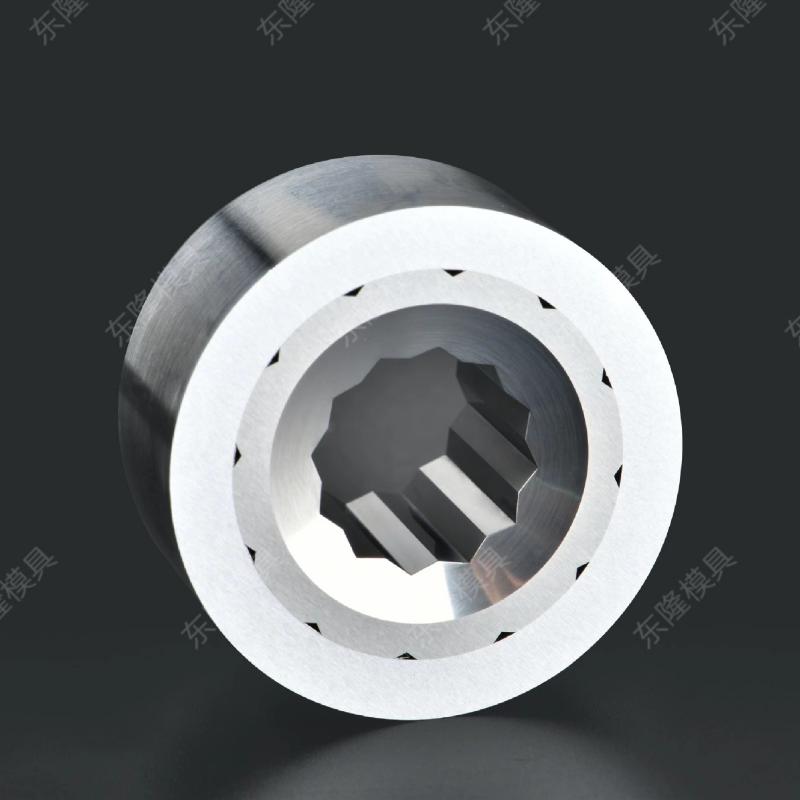
What Are Hot Heading Dies?
Hot Heading Dies are specialized forming tools used in the hot heading process. They are designed to shape heated metal blanks under high pressure, forming the material into a predetermined head shape.
Unlike conventional machining, which removes material to create a component, hot heading is a metal forming process. The heated material is deformed inside the die cavity, allowing the desired geometry to be formed with minimal material waste.
How Hot Heading Dies Work
The basic hot heading process generally involves several steps:
Material Preparation – Metal stock is cut into suitable blanks.
Heating – The metal is heated to an appropriate temperature to improve its formability.
Die Positioning – The heated blank is placed into the forming area.
Pressure Application – A heading machine applies controlled force to deform the metal.
Shape Formation – The material fills the die cavity and forms the required head geometry.
Cooling and Further Processing – The formed component is cooled and may undergo additional processes such as threading, heat treatment, or surface finishing.
The exact temperature, pressure, and forming conditions depend on the material and component design.
What Is the Role of Hot Heading Dies in Metalworking?
The primary role of a Hot Heading Die is to provide controlled and repeatable metal forming. By combining heat and mechanical pressure, the die helps transform raw material into components with precise shapes and dimensions.
Precision Shaping
Hot heading dies control the final geometry of the formed component. The die cavity is manufactured according to the required dimensions, allowing manufacturers to produce consistent head shapes.
Improved Material Utilization
Because hot heading forms metal rather than cutting it away, the process can reduce material waste compared with some machining-based manufacturing methods.
High Production Efficiency
Once the tooling and forming process have been properly established, hot heading can produce large quantities of components efficiently. This makes Hot Heading Dies suitable for high-volume metalworking applications.
Consistent Dimensions
A properly designed precision hot heading die helps maintain consistency between production batches. This is particularly important for components that need to meet specific dimensional requirements.
Applications of Hot Heading Dies
Hot Heading Dies are widely used for manufacturing various metal components, particularly products that require formed heads or specialized geometries.
Common applications include:
Automotive fasteners
Bolts and screws
Rivets
Pins
Studs
Industrial fasteners
Specialized metal components
Custom formed metal parts
Hot Heading Dies for Fasteners
Fastener manufacturing is one of the important applications of hot heading technology. The process can form the head of a bolt, screw, rivet, or other fastener before subsequent operations such as thread rolling or machining.
This allows manufacturers to produce components with repeatable head dimensions and efficient material utilization.
Advantages of Using Hot Heading Dies
Using a high-quality Hot Heading Die can provide several benefits for metalworking manufacturers.
High Dimensional Accuracy
The die cavity determines the shape of the finished part, helping manufacturers achieve controlled and repeatable dimensions.
Efficient Metal Forming
Hot heading makes it possible to form heated metal into complex head geometries with controlled pressure.
Reduced Material Waste
Since the process primarily reshapes the material instead of removing large amounts of it, material utilization can be improved.
Suitable for High-Volume Production
Hot heading is well suited to repetitive manufacturing processes where thousands or more components may need to be produced with consistent geometry.
Customizable Tooling
A custom Hot Heading Die can be designed according to the required component shape, material, dimensions, and production process.
Materials Used for Hot Heading Dies
The die material is an important consideration because Hot Heading Dies are exposed to repeated mechanical loads, elevated temperatures, and friction during production.
Depending on the application, manufacturers may select suitable tool steels or other specialized die materials with appropriate hardness, toughness, and wear resistance.
The selection of die material should consider:
Forming temperature
Metal material being formed
Production volume
Required die life
Forming pressure
Component geometry
Wear conditions
Proper material selection can help improve tooling durability and maintain forming accuracy during production.
How to Choose a Hot Heading Die
Selecting the right Hot Heading Die requires consideration of both the component and the manufacturing process.
Product Geometry
The required head shape, dimensions, and internal or external features should be clearly defined before die design begins.
Metal Material
Different metals have different forming characteristics. The selected die and forming parameters should be compatible with the material being processed.
Production Requirements
For high-volume production, tooling life, wear resistance, and repeatability become especially important.
Dimensional Requirements
Components with tight dimensional requirements may require more precise die design and manufacturing processes.
Machine Compatibility
The die must be compatible with the heading machine, forming force, tooling configuration, and production process.
Custom Hot Heading Dies
Custom Hot Heading Dies are designed for applications where standard tooling cannot meet specific product requirements. Manufacturers can develop dies based on customer drawings, CAD files, samples, and technical specifications.
Custom tooling can accommodate different:
Head shapes
Component dimensions
Metal materials
Forming requirements
Production volumes
Tooling configurations
A customized Hot Heading Tool can help manufacturers achieve the required geometry while maintaining stable production performance.
Hot Heading Dies are essential tools for precision metal forming, especially when manufacturers need to create consistent head shapes and dimensions efficiently. By combining controlled heating with mechanical pressure, hot heading can transform raw metal into accurately formed components while improving production efficiency and material utilization.
For applications such as fasteners, automotive components, rivets, pins, and other custom metal parts, a properly designed Hot Heading Die can provide reliable forming performance and repeatable product quality. Choosing the right die material, geometry, and manufacturing process is essential for achieving the desired results.