




Cold forging and hot forging are two common metal forming processes used to manufacture industrial components. The main difference between them is the temperature at which the metal is formed.
Cold forging shapes metal at relatively low temperatures, usually near room temperature, while hot forging forms metal after it has been heated to a high temperature. Each process has different advantages, limitations, tooling requirements, and applications.
Understanding the difference between cold forging vs hot forging can help manufacturers select the right forging process for a specific component.
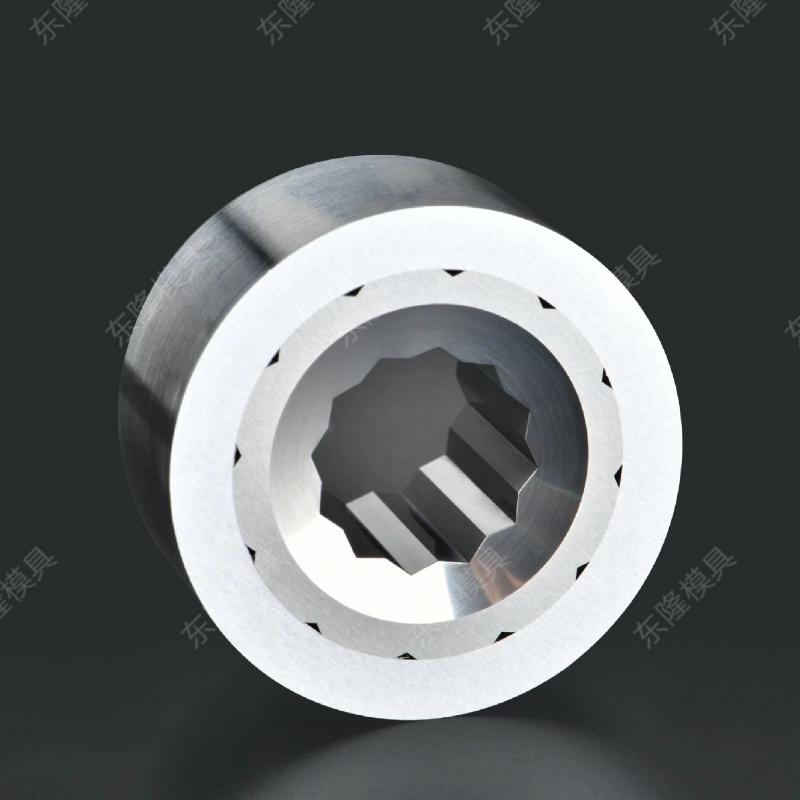
What Is Cold Forging?
Cold forging is a metal forming process that uses high pressure to deform a metal blank without heating it to the high temperatures used in hot forging.
During the cold forging process, a metal blank is placed into a precisely designed die. A punch then applies high compressive force, causing the material to flow and take the shape of the die cavity.
Cold forging is commonly used to manufacture bolts, screws, nuts, fasteners, automotive components, and electrical parts.
Because the material is formed rather than cut away, cold forging can provide high material utilization and good dimensional consistency, making it suitable for high-volume production.
What Is Hot Forging?
Hot forging is a metal forming process in which the workpiece is heated to a high temperature before being formed under pressure.
Heating the metal makes it easier to deform and allows manufacturers to produce larger or more complex components that may be difficult to form at lower temperatures.
The hot forging process generally involves heating the material, placing it into a hot forging die, applying pressure, and then allowing the formed component to cool. Additional heat treatment or machining may be required depending on the application.
Hot forging is commonly used for larger automotive components, shafts, gears, heavy machinery parts, and other components that require substantial deformation.
Cold Forging vs Hot Forging: Key Differences
Forming Temperature
The most obvious difference between cold forging and hot forging is the forming temperature.
Cold forging is generally performed at or near room temperature, although specific process conditions can vary depending on the material and application.
Hot forging requires the workpiece to be heated to a temperature where the material becomes significantly easier to deform.
Material Deformation
In cold forging, the material is harder to deform because it remains relatively strong at lower temperatures. As a result, the process requires high forming forces and carefully designed Cold Forging Tooling.
In hot forging, heating reduces the resistance of the material to deformation. This allows manufacturers to achieve greater amounts of deformation and produce larger or more complex components.
Dimensional Accuracy
Cold forging can provide good dimensional accuracy and repeatability because the material is formed without the same thermal expansion and contraction effects associated with hot forging.
Hot forging involves heating and cooling, which can result in dimensional changes. Additional machining may therefore be required when tighter tolerances are needed.
Surface Quality
Cold forged parts can have a relatively smooth surface because the process does not normally produce the oxide scale associated with high-temperature forging.
Hot forging can produce oxidation and scale on the surface of the workpiece because the material is heated to high temperatures. Depending on the application, additional surface cleaning or machining may be necessary.
Material Utilization
Both cold forging and hot forging can provide good material utilization compared with manufacturing methods that remove large amounts of material.
Cold forging is particularly effective for producing near-net-shape components, which can reduce the amount of material required for subsequent machining.
Production Volume
Cold forging is well suited to high-volume production of relatively small and consistent components. Once the Cold Forging Dies and process parameters have been properly established, the process can provide efficient and repeatable production.
Hot forging is also suitable for mass production, particularly when manufacturing larger components or parts that require substantial deformation.
Cold Forging Dies vs Hot Forging Dies
Tooling plays an important role in both forging processes, but the requirements are different.
Cold Forging Dies must withstand extremely high forming pressures and repeated mechanical loads. Therefore, cold forging dies require high strength, precision, wear resistance, and dimensional stability.
Hot forging dies must withstand both mechanical loads and repeated exposure to high temperatures. Thermal fatigue, heat resistance, and wear resistance are therefore important considerations when designing hot forging tooling.
For manufacturers producing precision cold forged parts, properly designed cold forging dies are essential for controlling material flow and maintaining consistent dimensions.
Advantages of Cold Forging
High Material Utilization
Cold forging forms the metal rather than removing large amounts of material, which can help reduce material waste.
Good Dimensional Accuracy
Precision cold forging tooling can provide consistent dimensions and repeatable production for many types of components.
High Production Efficiency
Cold forging is suitable for automated production and can achieve high output rates when used for appropriate components.
Good Surface Quality
Because the material is not heated to typical hot forging temperatures, cold forged parts can have a relatively clean surface without the heavy oxide scale associated with hot forging.
Advantages of Hot Forging
Suitable for Large Components
Heating the material makes it easier to form large workpieces and components that may be difficult to produce through cold forging.
Greater Forming Capability
Hot forging allows substantial deformation because the heated material has lower resistance to plastic deformation.
Suitable for Complex Shapes
For certain materials and component geometries, hot forging can make it easier to achieve complex shapes that require significant material flow.
Cold Forging or Hot Forging: Which Process Should Be Used?
The choice between cold forging and hot forging depends on several factors, including material, component size, geometry, required tolerances, production volume, and tooling requirements.
Cold forging is often suitable for smaller precision components, fasteners, and high-volume production where good dimensional consistency and material utilization are important.
Hot forging may be more suitable for larger components or applications that require substantial deformation and would be difficult to form at lower temperatures.
Therefore, the appropriate forging method should be selected according to the specific requirements of the finished component.
Applications of Cold Forging and Hot Forging
Cold Forging Applications
Bolts and screws
Nuts and fasteners
Automotive components
Electrical components
Industrial hardware
Precision metal parts
Hot Forging Applications
Shafts
Gears
Automotive components
Heavy machinery parts
Large structural components
High-strength industrial parts
FAQ
What is the main difference between cold forging and hot forging?
The main difference is the forming temperature. Cold forging forms metal at relatively low temperatures, while hot forging forms metal after the workpiece has been heated to a high temperature.
Is cold forging stronger than hot forging?
The mechanical properties of a forged component depend on the material, forming process, deformation, heat treatment, and other manufacturing conditions. Cold forging can produce favorable grain flow and work hardening in some materials, while hot forging allows substantial deformation and controlled grain refinement under appropriate conditions.
Which is more accurate, cold forging or hot forging?
Cold forging generally offers good dimensional accuracy because the material is not subjected to the same high-temperature expansion and cooling effects as hot forging. However, actual accuracy depends on the material, component design, tooling, and process control.
What are cold forging dies used for?
Cold forging dies control the flow and final shape of the metal during the cold forging process. They are designed to withstand high forming forces and maintain dimensional accuracy during repeated production.
Can the same material be cold forged and hot forged?
Some materials can be processed using either cold forging or hot forging, but the suitable method depends on the material properties, component geometry, required deformation, and production requirements.