




Tungsten Carbide Dies are widely used in metalworking industries for shaping, forming, and processing metal materials with high precision and durability. Known for their exceptional hardness, wear resistance, and compressive strength, these dies play an important role in wire drawing, cold heading, extrusion molding, and other industrial forming processes.
From manufacturing bolts and screws to producing metal tubes and wires, Tungsten Carbide Dies help manufacturers achieve consistent dimensions, smooth surface finishes, and stable production efficiency. Compared with conventional tool steel dies, tungsten carbide tooling offers excellent resistance to abrasive wear and deformation, making it suitable for demanding applications and high-volume manufacturing.
For manufacturers looking for reliable metal forming solutions, selecting the right tungsten carbide die can improve product quality, reduce tooling replacement frequency, and support long-term production performance.
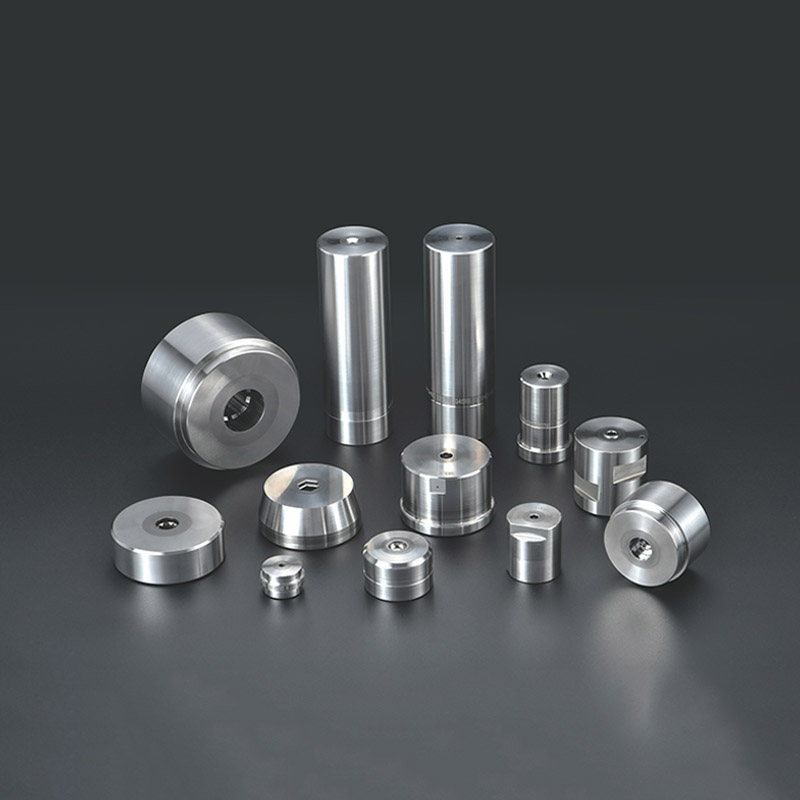
What Are Tungsten Carbide Dies?
Tungsten Carbide Dies are precision industrial tools manufactured primarily from tungsten carbide, a hard material composed of tungsten and carbon. They are commonly used to shape or reduce the dimensions of metal materials under high pressure.
Tungsten carbide is typically combined with a metallic binder, such as cobalt, to balance hardness and toughness. This material structure provides excellent resistance to wear, compression, and repeated mechanical stress.
Depending on their structure and intended application, tungsten carbide dies can be designed with different cavity shapes, diameters, profiles, and dimensional tolerances.
Common applications include:
Wire drawing and metal wire production.
Cold heading and fastener manufacturing.
Metal extrusion and forming processes.
Precision production of metal tubes and rods.
Industrial shaping of various metal components.
What Are the Main Uses of Tungsten Carbide Dies?
Tungsten carbide dies are used in several metalworking processes. Their high hardness and wear resistance make them particularly suitable for operations involving continuous friction, high forming pressure, and strict dimensional requirements.
1. Wire Drawing
Wire drawing is one of the most common applications of tungsten carbide dies. During this process, metal wire is pulled through a die opening to reduce its diameter and achieve the required dimensions.
Tungsten carbide wire drawing dies offer excellent wear resistance and dimensional stability, helping maintain consistent wire diameters and smooth surface finishes during continuous production.
They are commonly used for drawing:
Steel wire
Stainless steel wire
Copper wire
Aluminum wire
Alloy metal wire
The hardness of tungsten carbide helps reduce die wear and maintain stable production quality, particularly in high-volume wire manufacturing.
2. Cold Heading
Tungsten carbide dies are also widely used in cold heading processes, which form metal blanks into fasteners and other components at room temperature.
During cold heading, metal wire is cut into blanks and compressed through specialized dies and punches to create specific shapes. The tooling must withstand repeated impact loads and high compressive forces.
Tungsten Carbide Cold Heading Dies provide excellent compressive strength and wear resistance, making them suitable for manufacturing:
Bolts
Screws
Nuts
Rivets
Studs
Other precision fasteners
Their dimensional stability helps manufacturers maintain consistent product geometry and reduce tooling wear during mass production.
3. Extrusion Molding
In metal extrusion processes, metal materials are forced through a specially designed die opening to create products with specific cross-sectional shapes.
Tungsten carbide extrusion dies are suitable for applications requiring high hardness, dimensional accuracy, and resistance to abrasive wear.
They can be used in the production of metal rods, tubes, profiles, and other formed components. The die structure and material grade should be selected according to the extrusion material, pressure, temperature, and production conditions.
4. Other Metal Forming Processes
In addition to wire drawing, cold heading, and extrusion molding, tungsten carbide dies can also be used in various precision metalworking applications.
Their excellent mechanical properties make them suitable for specialized forming operations where conventional tooling materials may experience excessive wear or deformation.
Depending on the tooling design, tungsten carbide components can support the production of precision metal parts with complex shapes and demanding dimensional requirements.
Main Types of Tungsten Carbide Dies
Different metalworking processes require different die structures. The following are common types of tungsten carbide dies used in industrial manufacturing.
Tungsten Carbide Wire Drawing Dies
These dies are designed to reduce the diameter of metal wire through a controlled drawing process. Their internal profiles are carefully machined to ensure smooth material flow and consistent dimensional accuracy.
They are commonly used in steel wire, copper wire, stainless steel wire, and other metal wire production.
Tungsten Carbide Cold Heading Dies
Cold heading dies are used to form metal blanks into bolts, screws, nuts, and other fasteners. They are designed to withstand repeated impact and high compressive loads.
Depending on the production process, they may be used in combination with punches, trimming dies, and other cold heading tooling components.
Tungsten Carbide Extrusion Dies
Extrusion dies are designed to shape metal materials into specific profiles by forcing them through a die opening. Their cavity structure and material specifications depend on the metal being processed and the required product dimensions.
Custom Tungsten Carbide Dies
For specialized manufacturing applications, standard dies may not meet specific production requirements.
Custom tungsten carbide dies can be manufactured according to technical drawings, samples, or customer specifications. Customization may include:
Customized die dimensions and cavity profiles.
Different tungsten carbide grades.
Specific hardness and toughness requirements.
Customized tolerances and surface finishes.
Special structures for different metalworking machines.
Custom tooling helps manufacturers achieve better compatibility with their production equipment and forming processes.
Key Advantages of Tungsten Carbide Dies
Tungsten carbide is widely selected for industrial tooling because of its combination of hardness, strength, and wear resistance.
High Hardness and Wear Resistance
Tungsten carbide has exceptional hardness, allowing dies to resist abrasive wear caused by continuous contact with metal materials. This helps maintain die dimensions and forming accuracy over extended production cycles.
Excellent Compressive Strength
Metal forming processes often involve substantial pressure. Tungsten carbide dies can withstand high compressive loads, making them suitable for cold heading, extrusion, and other demanding applications.
Dimensional Stability
Precision tooling requires consistent dimensions throughout production. Tungsten carbide offers good resistance to deformation under appropriate operating conditions, helping manufacturers maintain product consistency.
Long Service Life
Due to their excellent wear resistance, tungsten carbide dies can offer a longer service life than conventional tool steel dies in suitable applications. This can reduce tooling replacement frequency and production interruptions.
Improved Production Efficiency
Stable tooling performance helps minimize dimensional variations, reduce defective products, and maintain consistent manufacturing operations.
How to Choose the Right Tungsten Carbide Die
Choosing the correct die is essential for achieving reliable forming performance and maximizing tooling life. Several factors should be considered before purchasing.
1. Application Requirements
Determine whether the die will be used for wire drawing, cold heading, extrusion molding, or another metal forming process. Different applications require different die structures and material properties.
2. Workpiece Material
The type and hardness of the metal being processed influence tooling wear and forming pressure. Consider whether the workpiece is carbon steel, stainless steel, copper, aluminum, or another alloy.
3. Tungsten Carbide Grade
Different carbide grades offer different combinations of hardness, toughness, and wear resistance. The appropriate grade should match the operating conditions and production requirements.
4. Dimensional Accuracy
Check the required inner diameter, outer diameter, cavity geometry, and dimensional tolerances. Precision machining is essential for achieving consistent forming results.
5. Operating Conditions
Consider forming pressure, production speed, lubrication, temperature, and machine configuration. These factors directly influence die performance and service life.
6. Manufacturer's Experience
Choose a manufacturer with experience in tungsten carbide material selection, precision grinding, tooling design, and dimensional inspection. Reliable manufacturing capabilities help ensure consistent product quality.
Applications of Tungsten Carbide Dies Across Industries
Tungsten carbide dies are used in a wide range of manufacturing industries because of their ability to process different metal materials with high precision.
| Industry | Typical Applications |
|---|---|
| Automotive | Bolts, screws, fasteners, and precision metal components |
| Construction | Structural fasteners, steel wire, and metal rods |
| Electronics | Precision wire and small metal components |
| Machinery | Industrial fasteners, tubes, and formed metal parts |
| Metal Processing | Wire drawing, extrusion, and metal forming |
| Hardware Manufacturing | Screws, nuts, rivets, and customized hardware |
Their versatility makes tungsten carbide tooling an important part of modern metalworking and precision manufacturing.
Frequently Asked Questions About Tungsten Carbide Dies
1. What are the main uses of tungsten carbide dies?
Tungsten carbide dies are mainly used in wire drawing, cold heading, extrusion molding, and other metalworking processes. They are commonly used to manufacture bolts, screws, metal tubes, wires, rods, and other precision metal components.
2. Why are tungsten carbide dies better than steel dies?
Tungsten carbide dies generally offer higher hardness, better wear resistance, and excellent compressive strength compared with conventional tool steel dies. They are particularly suitable for high-volume production and demanding metal forming applications. However, the best material depends on the specific operating conditions and required toughness.
3. Can tungsten carbide dies be customized?
Yes. Custom tungsten carbide dies can be manufactured according to product drawings, samples, dimensions, and application requirements. Customers can specify die sizes, cavity profiles, carbide grades, tolerances, and surface finishes.
4. What materials can be processed using tungsten carbide dies?
Tungsten carbide dies can be used to process various metals, including carbon steel, stainless steel, copper, aluminum, and different metal alloys. The appropriate die grade depends on the workpiece material and forming process.
5. How long do tungsten carbide dies last?
The service life depends on carbide grade, die design, workpiece material, production volume, lubrication, and operating conditions. Proper material selection, machine alignment, and regular maintenance can help extend tooling life.
6. How do I select a reliable tungsten carbide die manufacturer?
Look for a manufacturer with consistent raw material quality, precision machining capabilities, strict dimensional inspection, and experience in different metalworking applications. Providing detailed drawings and production requirements can help the manufacturer recommend a suitable die solution.
Tungsten Carbide Dies play an important role in modern metalworking, particularly in wire drawing, cold heading, extrusion molding, and precision forming applications. Their excellent hardness, wear resistance, and compressive strength make them reliable tooling solutions for manufacturing bolts, screws, metal tubes, wires, and other industrial components.
Whether you need standard wire drawing dies, tungsten carbide cold heading dies, extrusion dies, or customized precision tooling, choosing the right material grade and manufacturing partner is essential for achieving consistent production quality and long-term performance.
Contact us today to discuss your tungsten carbide die requirements and find a suitable tooling solution for your metalworking applications.