




Punch Dies are essential industrial tools used for stamping, cutting, punching, and forming metal materials through mechanical or hydraulic pressure. They play an important role in modern manufacturing, helping transform metal sheets, strips, and other workpieces into components with specific shapes and dimensions.
From producing holes and cutting metal profiles to forming complex components, punch dies are widely used in automotive manufacturing, electronics, machinery, construction, and hardware production. With proper die design and material selection, manufacturers can achieve high dimensional accuracy, consistent product quality, and efficient mass production.
Whether used for simple punching operations or complex metal forming processes, high-quality Punch Dies provide reliable tooling solutions for precision metalworking.
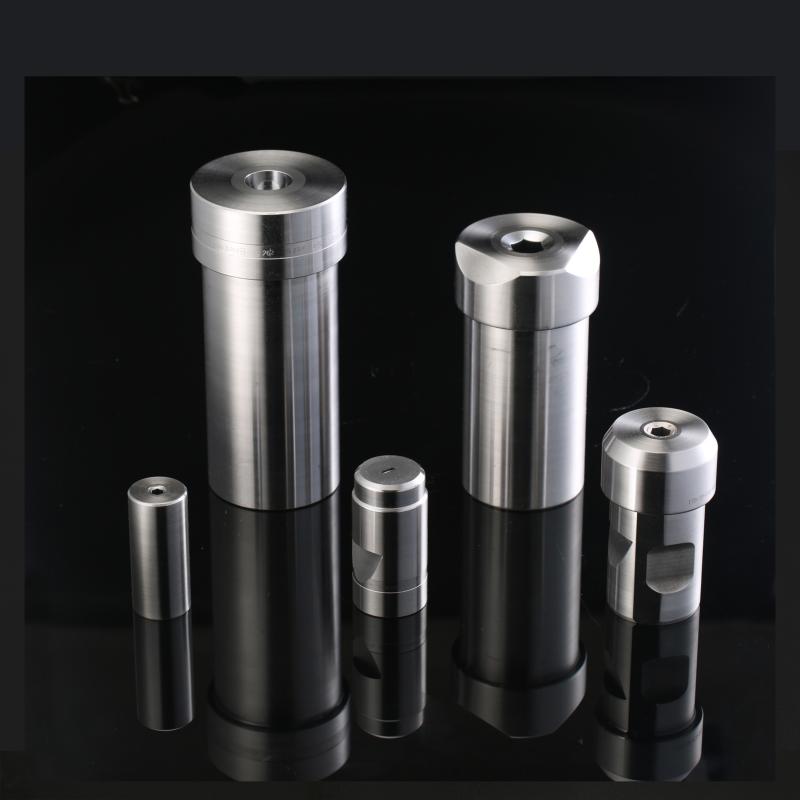
What Are Punch Dies?
A punch die is a specialized tool used in metal stamping operations to cut, shape, or form metal materials. It typically consists of a punch and a die, which work together to apply controlled pressure to a workpiece.
During operation, the punch moves toward the die opening, applying mechanical or hydraulic force to the metal material. Depending on the die structure and application, this process can create holes, cut specific profiles, bend metal sheets, or form three-dimensional shapes.
A typical punch die assembly may include:
Punch: The component that applies pressure to the workpiece to perform cutting or forming operations.
Die Block: The component containing the opening or cavity that determines the shape of the processed material.
Die Holder: Provides support and positioning for the die assembly.
Guide Components: Help maintain accurate alignment between the punch and die.
Stripper Plate: Helps remove the material from the punch after each operation.
The design and precision of these components directly influence the performance, accuracy, and service life of the punch die.
How Do Punch Dies Work?
Punch dies operate by applying controlled force to metal materials through a coordinated movement between the punch and die.
The basic punching process includes the following steps:
1. Material Feeding
Metal sheets, strips, or blanks are positioned and fed into the stamping machine according to the production requirements.
2. Punch Movement
The mechanical or hydraulic system drives the punch downward toward the workpiece.
3. Material Cutting or Forming
As the punch contacts the material, pressure is applied to cut, pierce, bend, or form the metal according to the die design.
4. Material Separation
For punching and cutting operations, the material separates when the applied force exceeds its resistance to deformation and fracture. The resulting part or opening follows the designed geometry.
5. Workpiece Removal
The processed component is released, and the next workpiece is fed into the machine for continuous production.
A properly designed punch die helps ensure accurate positioning, consistent dimensions, and stable processing performance.
Main Types of Punch Dies
Different manufacturing processes require different die structures. Selecting the appropriate punch die depends on the material, product geometry, production volume, and required processing accuracy.
Blanking Dies
Blanking dies are used to cut flat metal sheets into specific shapes. The cut-out piece is usually the desired product, while the remaining material becomes scrap.
They are commonly used to manufacture metal brackets, washers, plates, and various industrial components.
Piercing Dies
Piercing dies are designed to create holes in metal materials. They are widely used in applications where precise hole dimensions and positioning are required.
Common applications include metal panels, mounting plates, electronic enclosures, and automotive components.
Bending Dies
Bending dies are used to change the angle or shape of metal sheets without completely cutting through the material.
They help manufacture brackets, housings, structural components, and other formed metal products.
Forming Dies
Forming dies reshape metal materials into specific profiles or three-dimensional structures through controlled pressure.
They are suitable for manufacturing components with complex geometries, including automotive parts, metal housings, and industrial hardware.
Progressive Dies
Progressive dies combine multiple stamping operations within a single die assembly. As the metal strip moves through different stations, each station performs a specific operation, such as punching, bending, or blanking.
This design is particularly suitable for high-volume manufacturing because it improves production efficiency and reduces repeated material handling.
Materials Used in Punch Dies
Material selection is a critical factor affecting the hardness, wear resistance, toughness, and service life of punch dies.
Common materials include:
| Material | Main Characteristics | Typical Applications |
|---|---|---|
| Tool Steel | Good hardness, strength, and wear resistance | General stamping and punching |
| High-Speed Steel | High hardness and heat resistance | High-speed punching applications |
| Tungsten Carbide | Excellent hardness and compressive strength | High-volume precision stamping |
| Alloy Steel | Good toughness and mechanical strength | Heavy-duty tooling components |
| Powder Metallurgy Steel | Uniform structure and balanced properties | Precision and demanding stamping applications |
The most suitable material depends on the workpiece material, production speed, stamping force, and required tooling life.
For applications involving high production volumes or abrasive materials, Tungsten Carbide and specialized tool steels may provide improved wear resistance.
Key Advantages of Precision Punch Dies
High-quality Precision Punch Dies are important for maintaining consistent manufacturing quality and improving production efficiency.
High Dimensional Accuracy
Precision machining and accurate die alignment help produce components with consistent dimensions, hole positions, and edge profiles.
Improved Production Efficiency
Punch dies can perform repeated cutting and forming operations at high speeds, making them suitable for large-scale industrial manufacturing.
Consistent Product Quality
A properly designed die assembly helps reduce dimensional variations and maintain repeatable processing results throughout production.
Reduced Material Waste
Optimized die layouts and cutting structures can improve material utilization, particularly in blanking and progressive stamping applications.
Long Tooling Service Life
Selecting suitable materials and applying appropriate heat treatment can improve wear resistance and reduce the frequency of tooling replacement.
Applications of Punch Dies Across Industries
Punch dies are widely used in industries that require accurate and repeatable metal processing.
Automotive Industry
Punch dies are used to manufacture automotive brackets, structural panels, mounting components, and other stamped metal parts. These components often require consistent dimensions and reliable mechanical properties.
Electronics Industry
Electronic equipment manufacturers use precision punching dies to produce metal housings, connector components, mounting plates, and small metal parts.
Electrical Industry
Punch dies are used to process electrical enclosures, metal panels, brackets, and components for electrical equipment.
Construction Industry
Metal brackets, support plates, mounting components, and structural hardware can be manufactured using punching and stamping dies.
Machinery and Hardware Manufacturing
Punch dies support the production of washers, fasteners, metal fittings, machine components, and various customized hardware products.
Custom Punch Dies for Specialized Manufacturing
Standard punch dies are suitable for many conventional stamping applications. However, products with special geometries, strict dimensional requirements, or unique production processes may require customized tooling.
Custom Punch Dies can be designed and manufactured according to customer drawings, samples, and technical specifications.
Customization options may include:
Customized punch and die dimensions.
Special cutting edges and cavity geometries.
Different tool steel or carbide materials.
Specific hardness and heat treatment requirements.
Customized tolerances and surface finishes.
Die structures compatible with different stamping machines.
For manufacturers producing non-standard metal components, custom tooling helps improve equipment compatibility and achieve more consistent production results.
How to Choose a Reliable Punch Die Manufacturer
Choosing an experienced Punch Die Manufacturer is important for ensuring tooling quality, production efficiency, and long-term manufacturing performance.
Consider the following factors when evaluating a supplier:
1. Material Quality
Check whether the manufacturer uses reliable tool steel, high-speed steel, or Tungsten Carbide materials suitable for your application.
2. Precision Machining Capabilities
Advanced CNC machining, grinding, and inspection equipment help ensure accurate dimensions and consistent die geometry.
3. Customization Capabilities
A reliable manufacturer should be able to produce custom punch dies based on technical drawings, samples, and specific stamping requirements.
4. Quality Inspection
Look for manufacturing processes that include dimensional inspection, hardness testing, and surface quality checks.
5. Industry Experience
Experience in metal stamping and precision tooling helps manufacturers recommend suitable die structures and materials for different applications.
6. Technical Support
Professional technical support can help optimize die designs, troubleshoot production issues, and improve tooling performance.
Frequently Asked Questions About Punch Dies
1. What are punch dies mainly used for?
Punch dies are mainly used for stamping, cutting, punching, piercing, bending, and forming metal materials. They are commonly used to manufacture automotive components, electronic parts, metal brackets, washers, and industrial hardware.
2. What is the difference between a punch and a die?
A punch is the component that applies force to the workpiece, while the die provides the corresponding opening or cavity that supports the cutting or forming operation. Both components work together to process metal materials.
3. What materials are commonly used to manufacture punch dies?
Common materials include tool steel, high-speed steel, alloy steel, powder metallurgy steel, and tungsten carbide. The choice depends on the required hardness, toughness, wear resistance, and production conditions.
4. Can punch dies be customized?
Yes. Custom punch dies can be manufactured according to product drawings, samples, dimensions, material requirements, and stamping machine specifications.
5. What factors affect the service life of punch dies?
Tooling material, die design, cutting clearance, heat treatment, lubrication, machine alignment, and production conditions all affect die service life. Regular maintenance and proper operating parameters can help reduce premature wear and damage.
6. What should I provide when ordering custom punch dies?
You should provide product drawings or samples, workpiece material specifications, required dimensions and tolerances, production volume, and stamping machine information. These details help the manufacturer develop a suitable tooling solution.
Punch dies are essential tools in modern metalworking, supporting a wide range of stamping, cutting, punching, and forming operations. From simple piercing dies to complex progressive dies, the right tooling solution helps manufacturers achieve accurate dimensions, consistent product quality, and efficient production.
Whether you need standard stamping dies or Custom Punch Dies for specialized metal components, choosing a reliable manufacturer with strong material expertise and precision machining capabilities is essential for long-term production performance.
Contact us today to discuss your punch die requirements and find the right precision tooling solution for your manufacturing needs.