O We implemented ISO 9001:2015 quality certification management system
O Mould precision up to 0.002mm
O 100% inspection on all products and strictly controls the quality
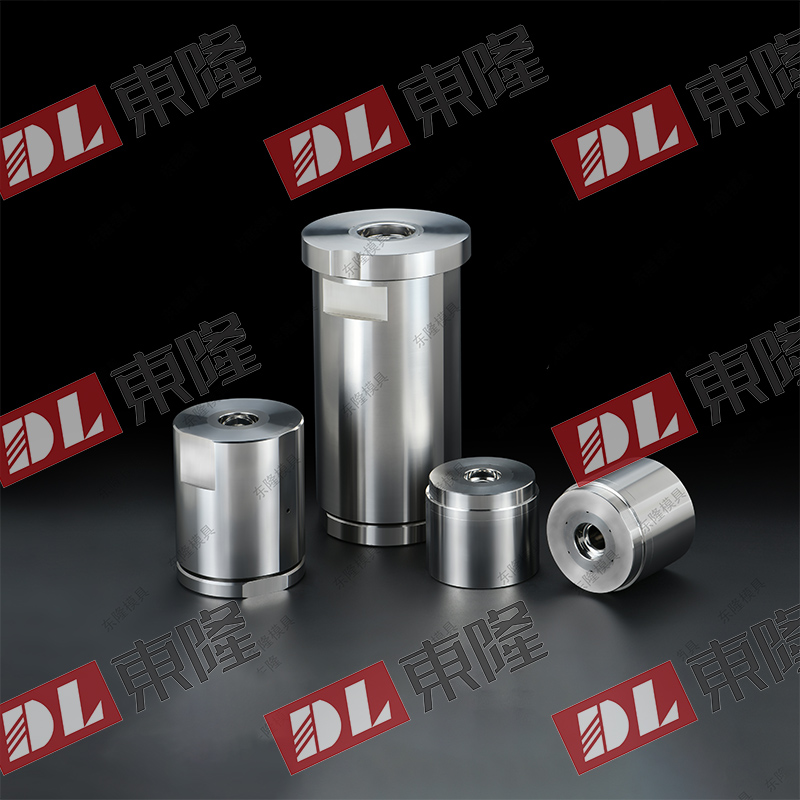
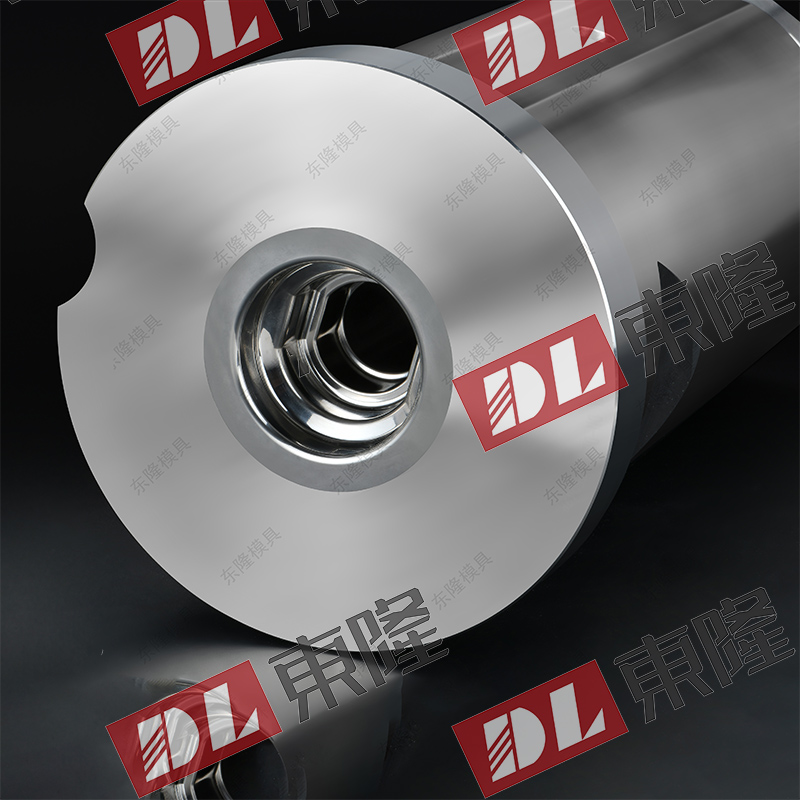
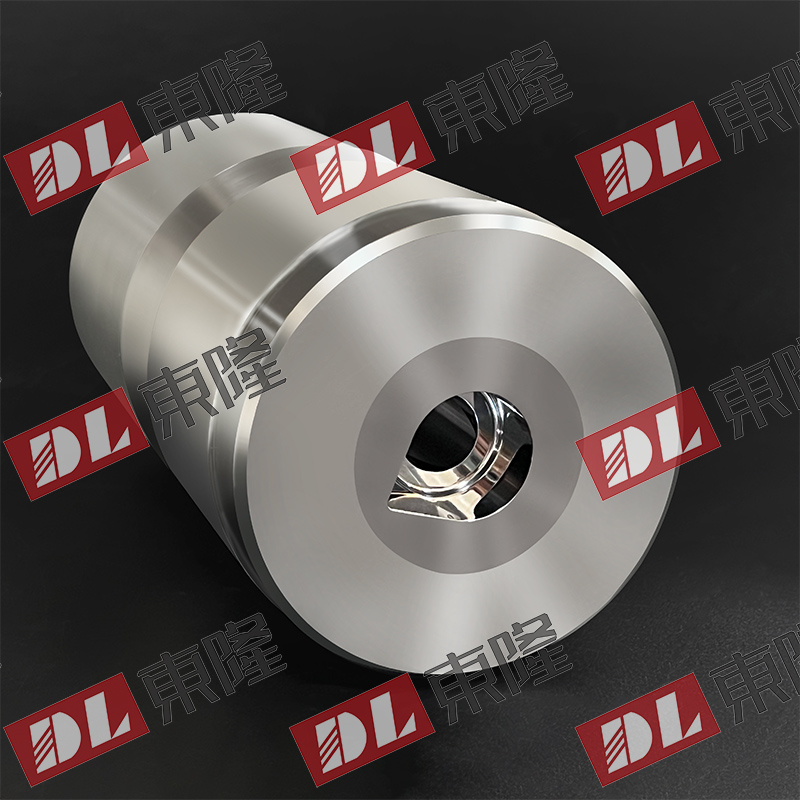


Automobile parts mold is a precision tooling solution designed for manufacturing various automotive components with high accuracy, excellent consistency, and stable production performance. As a critical part of automotive manufacturing, a high-quality automobile parts mold enables efficient mass production of metal and precision components used in vehicles.
With professional automotive parts Mold Design and advanced manufacturing technology, custom molds can be developed according to different automotive component structures, materials, and production requirements. Our custom automobile parts mold solutions are widely used for automotive stamping, forging, die casting, and precision component manufacturing.
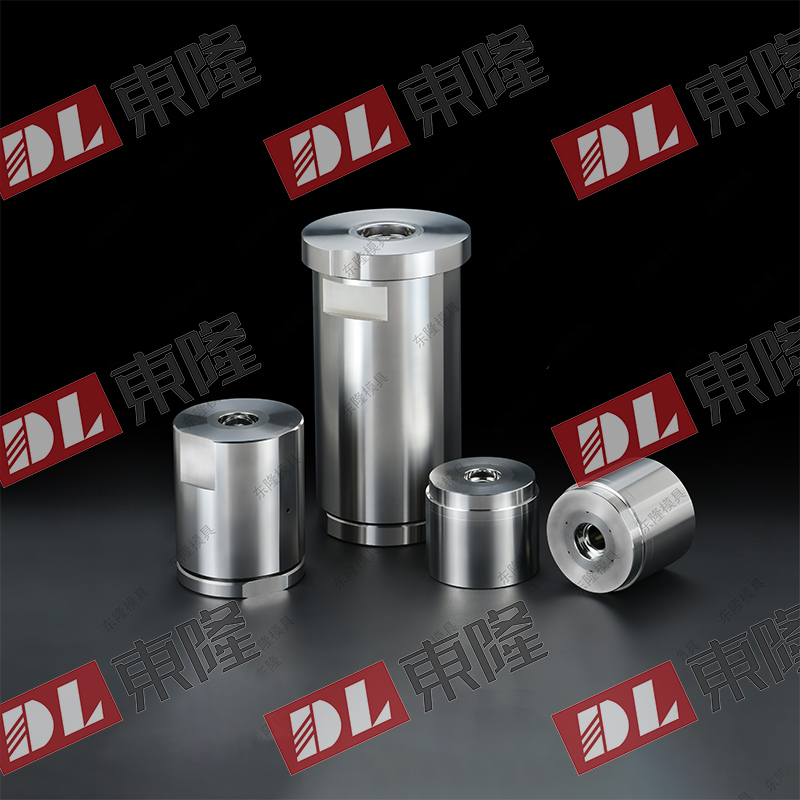
Professional automotive mold design plays an important role in achieving high-quality automotive components. Engineers analyze product structure, material characteristics, production volume, and performance requirements to create optimized mold solutions.
The automobile parts mold design process includes:
Product structure analysis
3D mold modeling
Mold structure optimization
Material selection
Precision machining planning
Mold testing and adjustment
A well-designed auto parts mold helps improve production efficiency, reduce manufacturing defects, and ensure consistent component quality during large-scale production.
Our custom automotive parts mold can be manufactured according to customer drawings, samples, and technical requirements.
Product Type:
Automobile parts mold
Automotive parts mold
Auto parts mold
Precision automotive mold
Custom automotive tooling
Mold Process Options:
Automotive stamping mold
Automotive forging mold
Automotive die casting mold
Precision forming mold
Mold Material:
Tool steel
Hardened steel
Alloy steel
Stainless steel
Customization Options:
Mold size: Customized according to part dimensions
Mold structure: Customized design
Cavity design: Customized according to component requirements
Tolerance: Precision control according to application needs
Surface treatment: Heat treatment, polishing, and surface hardening available
Manufacturing Capability:
Prototype mold development
Small batch production
High-volume production support
Customized tooling solutions
The manufacturing of an automobile parts mold requires advanced processing technology and strict quality control to ensure long-term reliability.
Engineers create detailed 3D models based on automotive component drawings and analyze the mold structure to optimize performance and production efficiency.
Advanced CNC machining, grinding, and precision processing technologies are used to manufacture mold components with accurate dimensions and excellent surface quality.
Heat treatment improves mold hardness, wear resistance, and service life, allowing the mold to withstand repeated production cycles.
After manufacturing, the mold is assembled, adjusted, and tested to ensure accurate operation and stable production performance.
Automotive stamping molds are widely used for producing metal automotive components from sheet materials.
Common applications include:
Body panels
Brackets
Door components
Structural reinforcement parts
These molds provide high production efficiency and excellent dimensional consistency for automotive manufacturing.
Automotive forging molds are designed for manufacturing high-strength components that require excellent mechanical performance.
Applications include:
Gear components
Shafts
Connecting rods
Suspension parts
Forging molds provide improved strength and durability for critical automotive systems.
Automotive die casting molds are used for producing complex metal components with high dimensional accuracy.
Applications include:
Engine components
Motor housings
Transmission housings
Structural parts
These molds are suitable for efficient production of lightweight and durable automotive components.
Custom automobile parts molds are widely used in various automotive industries, including:
Passenger vehicles
Commercial vehicles
New energy vehicles
Automotive component manufacturing
Precision automotive systems
They support the production of various parts, including:
Engine components
Transmission parts
Chassis components
Structural parts
Interior and exterior components
Electronic automotive components
Choosing a professional custom automobile parts mold manufacturer provides several advantages:
Customized mold solutions based on component requirements
High precision and stable production performance
Durable mold structure for long-term use
Improved production efficiency
Reduced manufacturing costs
Suitable for complex automotive components
Reliable quality control
Our automotive parts mold solutions are designed to meet the demanding requirements of modern automotive manufacturing and help customers achieve efficient, accurate, and stable production.
A successful automotive parts mold design requires careful consideration of several factors:
The shape, size, and complexity of automotive parts determine the mold structure and manufacturing process.
Different automotive components require different mold materials to achieve suitable strength, hardness, and wear resistance.
The mold design can be optimized according to production requirements, from prototype development to high-volume manufacturing.
Accurate mold machining ensures consistent component dimensions and reliable assembly performance.
An automobile parts mold is a precision tooling system used to manufacture automotive components through processes such as stamping, forging, die casting, and precision forming.
Custom automobile parts molds include stamping molds, forging molds, die casting molds, and precision tooling solutions designed according to specific automotive component requirements.
Customers usually need to provide part drawings, 3D files, material requirements, production quantity, and precision requirements for automotive parts mold design.
Automobile parts molds are commonly manufactured from tool steel, hardened steel, alloy steel, and other durable materials to ensure strength and long service life.
A custom automotive parts mold provides better compatibility with specific components, improves production efficiency, ensures dimensional accuracy, and supports large-scale automotive manufacturing.

For 27 years, Donglong has been focusing on the design, development and manufacture of precision screw molds.
Copyright © 2026 Dongguan Donglong Mold All rights reserved. Privacy Policy