O We implemented ISO 9001:2015 quality certification management system
O Mould precision up to 0.002mm
O 100% inspection on all products and strictly controls the quality
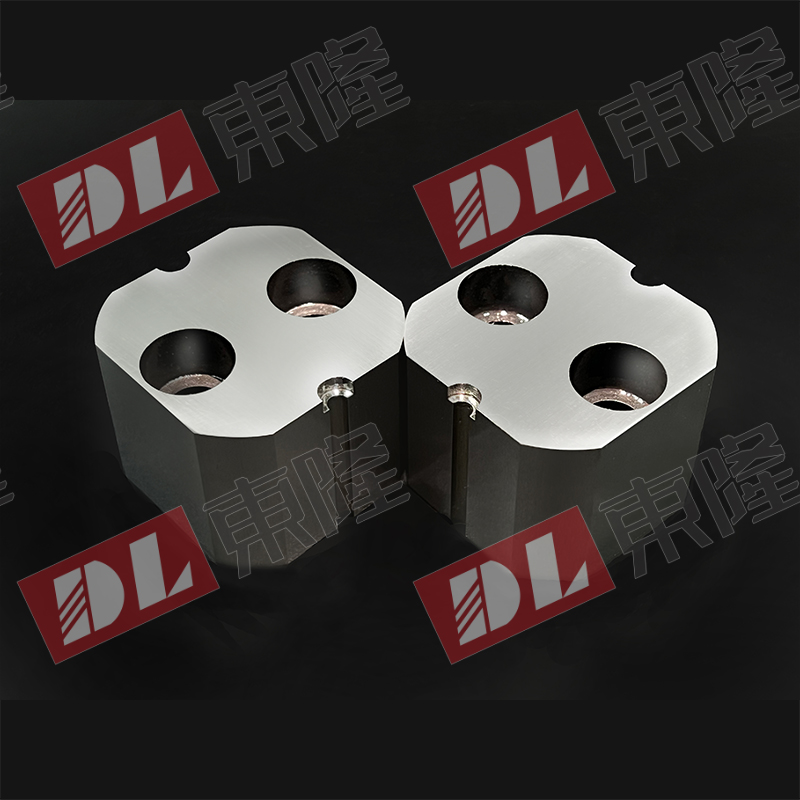
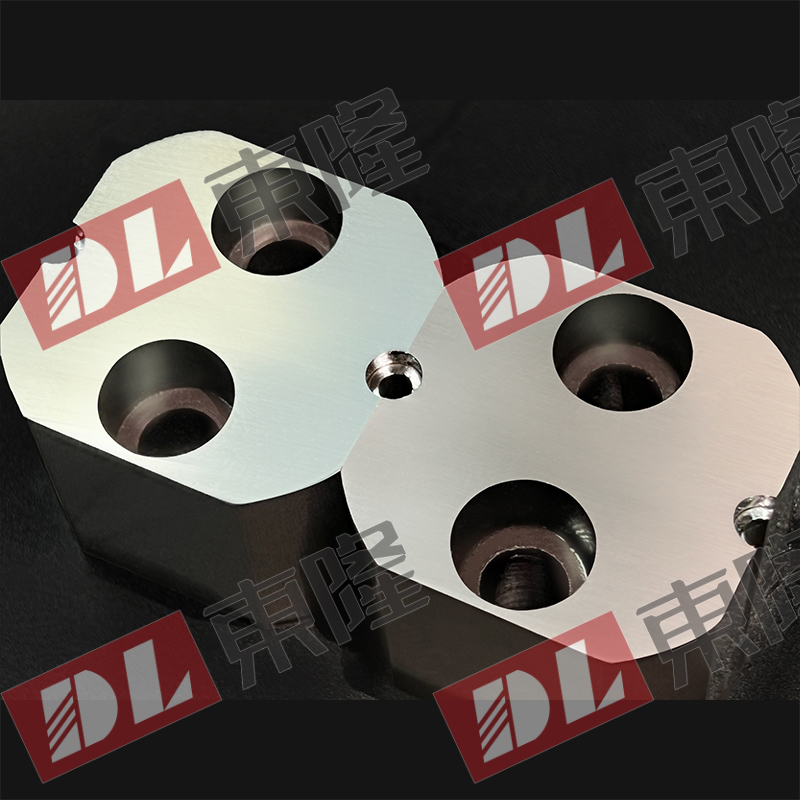


When manufacturers need large, high-strength metal components that require flexibility in size and shape, Open Die Forging is often the preferred solution. Unlike precision closed die forging, this process allows metal to flow freely during deformation, making it ideal for heavy-duty industrial parts, custom forgings, and large-scale components.
If you're searching for what is an open die forging, open die forging press, advantages of open die forging, or reliable open die forging suppliers, this guide explains everything you need to know.
Open die forging (also known as open forging or free forging) is a metal forming process where heated metal is compressed between flat or simple-shaped dies that do not completely enclose the workpiece.
Instead of forcing material into a fixed cavity like closed die forging, open die forging allows the operator or automated system to gradually control material flow.
This method is commonly used for:
Large shafts
Rings
Cylinders
Discs
Flanges
Bushings
Heavy machinery parts
Aerospace preforms
Because of its flexibility, open die forming is widely used in industries that require large custom forgings with excellent mechanical strength.
The open forging process typically includes several steps:
Steel, titanium, aluminum, copper, or alloy metals are heated to the appropriate forging temperature.
Common forging temperatures:
Carbon steel: 1100°C–1250°C
Stainless steel: 1000°C–1180°C
Aluminum alloys: 350°C–500°C
Titanium alloys: 700°C–950°C
The heated billet, ingot, or bar is placed between the upper and lower dies.
A hydraulic open die forging press or forging hammer applies repeated pressure to shape the material.
Common operations include:
Drawing out
Upsetting
Flattening
Piercing
Cogging
Since the dies are not enclosed, operators can gradually reshape large components.
After forging, components may undergo:
CNC machining
Heat treatment
Surface finishing
Dimensional inspection
Ultrasonic testing
Choosing the right open die forging press is critical for production efficiency.
A hydraulic open die forging press offers:
Higher pressure control
Better consistency
Suitable for large forgings
Lower impact stress on materials
Typical capacity:
500 tons
1,000 tons
5,000 tons
10,000+ tons for heavy industries
Best for:
Faster production cycles
Medium-sized components
Repetitive forging operations
Used for smaller open forging projects requiring rapid deformation.
Many buyers search for open and closed forging or open closed die forging because they want to understand which process fits their project.
| Factor | Open Die Forging | Closed Die Forging |
|---|---|---|
| Die Structure | Open | Fully enclosed |
| Tooling Cost | Lower | Higher |
| Part Size | Large | Small to medium |
| Precision | Moderate | High |
| Flexibility | High | Lower |
| Production Volume | Low to medium | High |
Open die forging is often used as a pre-forming step before closed die forging.
Understanding the advantages of open die forging helps manufacturers make better sourcing decisions.
Simpler dies reduce initial investment.
Perfect for parts weighing from a few kilograms to over 100 tons.
Improves:
Strength
Durability
Fatigue resistance
Ideal for low-volume custom projects.
Compared with casting, open forging minimizes:
Porosity
Shrinkage defects
Cracking risks
Open die forging applications are common in industries requiring large, high-strength parts.
Valve bodies
Pressure vessels
Flanges
Landing gear parts
Turbine shafts
Turbine rotors
Generator shafts
Propeller shafts
Structural components
Heavy-duty rollers
Crusher shafts
Forged cylinders
Axles
Large rings
A trusted open die forging supplier should offer:
Custom die design
Material selection support
Precision CNC machining
Heat treatment
Quality inspections
Prototype development
Fast delivery
Look for suppliers with experience in:
Tool steel forging dies
Alloy steel forging
Large forging projects
OEM/ODM manufacturing
Our company provides custom open die forging molds and forging solutions for global industrial manufacturers.
We support:
Custom die dimensions
Different hardness requirements
Hydraulic press compatibility
Small batch production
Large industrial forging projects
Engineering support
Whether you need a hydraulic open die forging press solution, custom tooling, or heavy-duty forged parts, we help optimize production efficiency while reducing overall costs.
For high-strength applications, yes. Open forging provides better mechanical performance and fewer internal defects.
Not typically. Closed die forging is better for high-volume precision parts.
Usually, open forging creates simple geometries that may require additional machining.
Steel, stainless steel, aluminum, copper, titanium, and nickel alloys.
If your project requires large forged components, flexible dimensions, and strong mechanical performance, open die forging is one of the most cost-effective and reliable manufacturing methods available.
Whether you need open die forming, heavy-duty forgings, or custom tooling, working with an experienced open die forging supplier ensures better product quality and long-term performance.

For 28 years, Donglong has been focusing on the design, development and manufacture of precision screw molds.
Copyright © 2026 Dongguan Donglong Mold All rights reserved. Privacy Policy